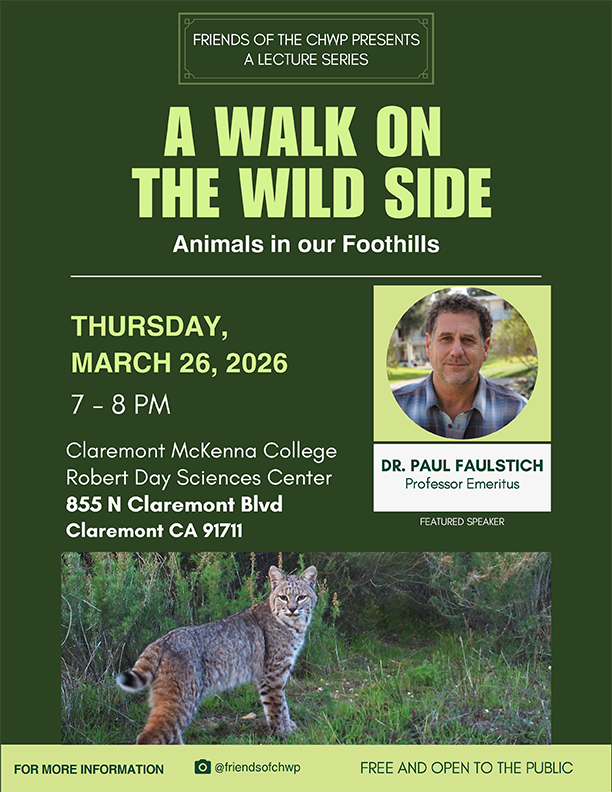
Please join us March 26, 2026, at 7:00 PM for a “A Walk on the Wild Side”, a lecture by Dr. Paul Faulstich featuring some of his many photographs of animals in our foothills.
Paul Faulstich is Emeritus Professor of Environmental Analysis at Pitzer College. He holds a doctorate in anthropology. He has been a Thomas J. Watson Fellow, a Research Associate at the East-West Center, a Senior Fulbright Scholar, a Visiting Professor at Flinders University in Australia, a Cultural Specialist with the U.S. Information Agency, and a Fellow at the Australian National University. Dr. Faulstich’s scholarship foci include environmental justice, ecological restoration, human ecology, and environmental art. He serves on the Leadership Team of the Friends of the Claremont Wilderness Park.
Thursday, March 26, 2026 7:00 –8:00 PM Claremont McKenna College Robert Day Sciences Center 855 N Claremont Blvd Claremont, CA 91711
We hope this will the first of lecture series presented by the Friends of the Claremont Hills Wilderness Park.
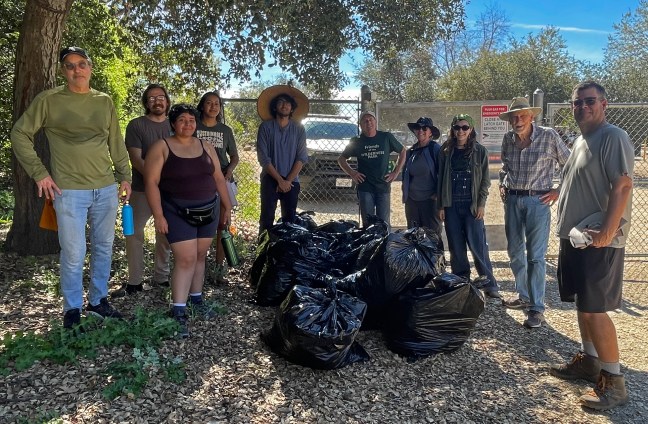
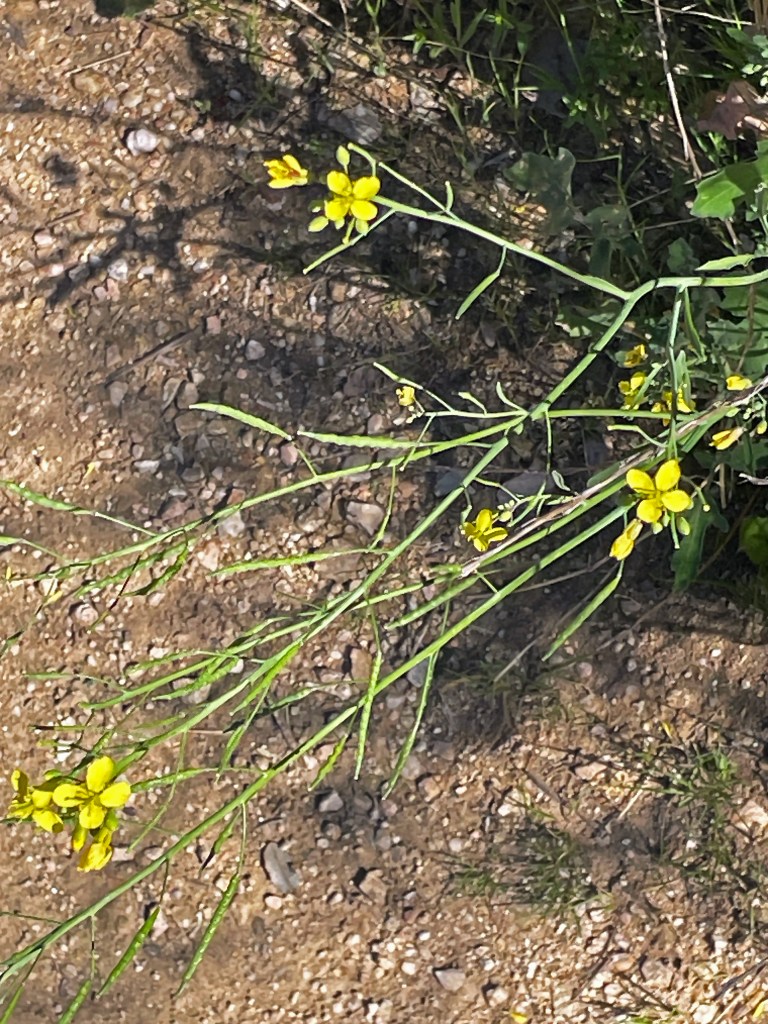
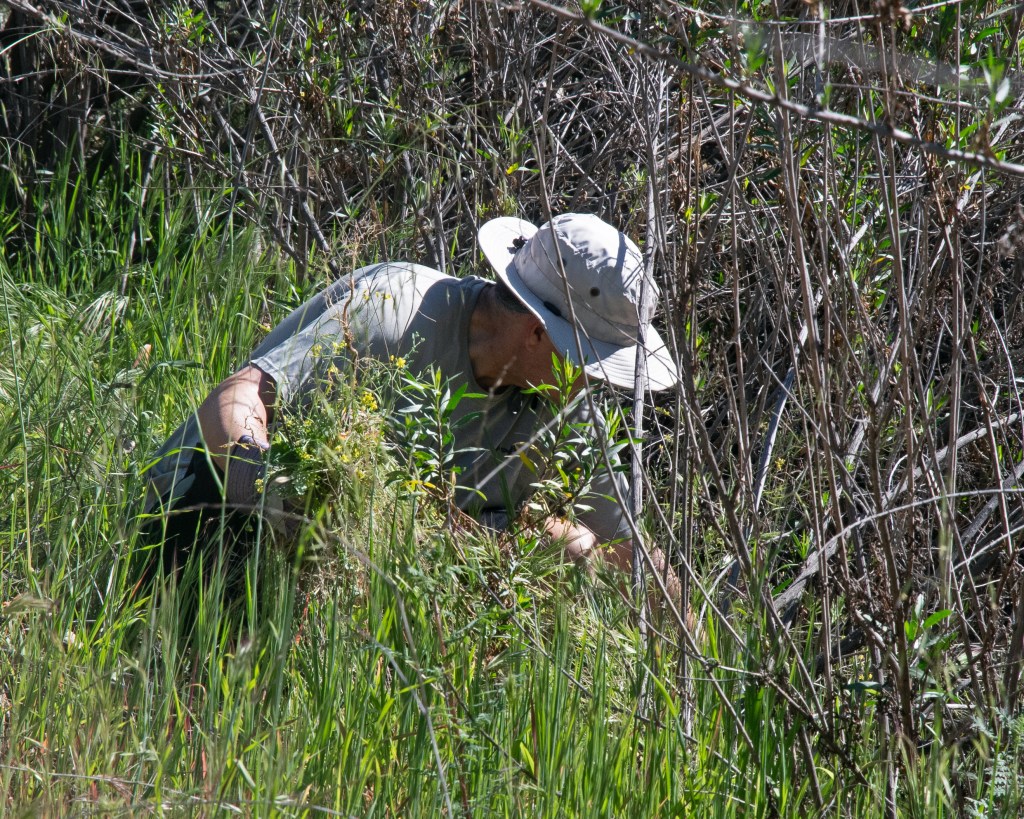
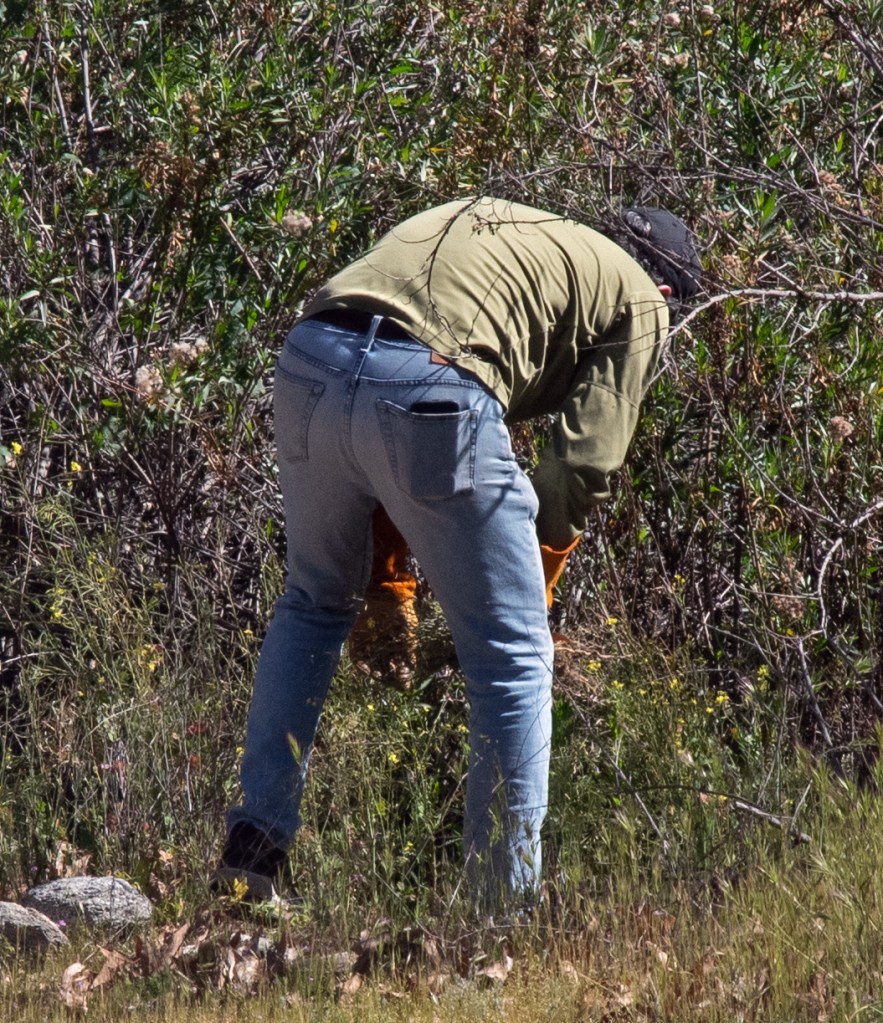
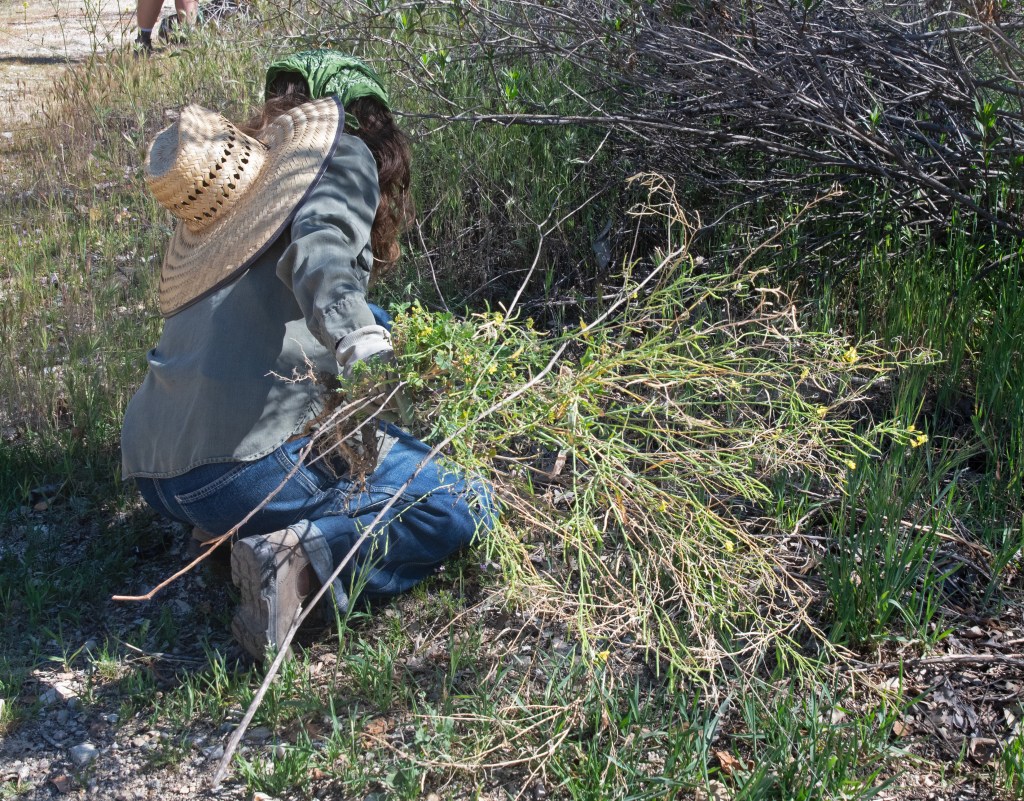
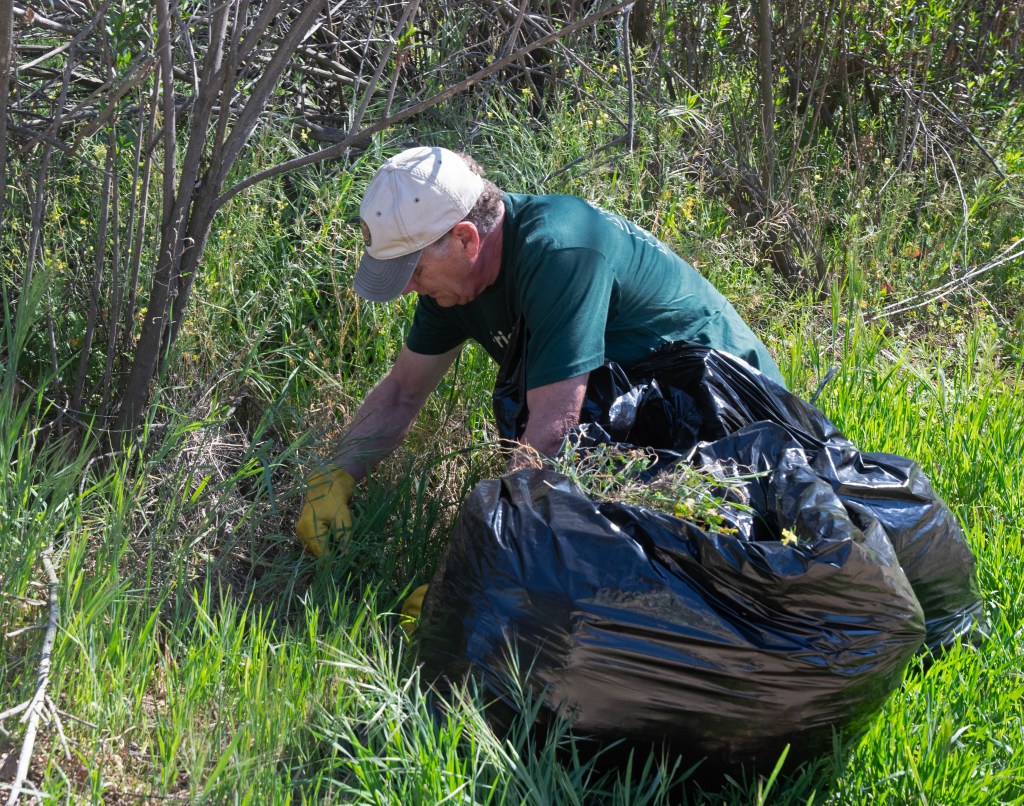
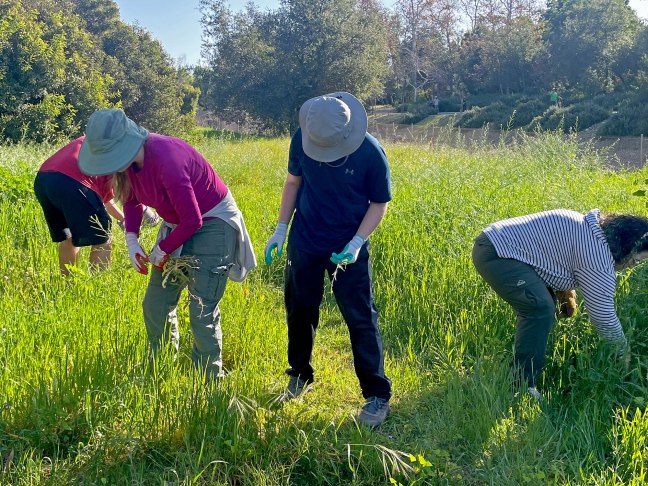
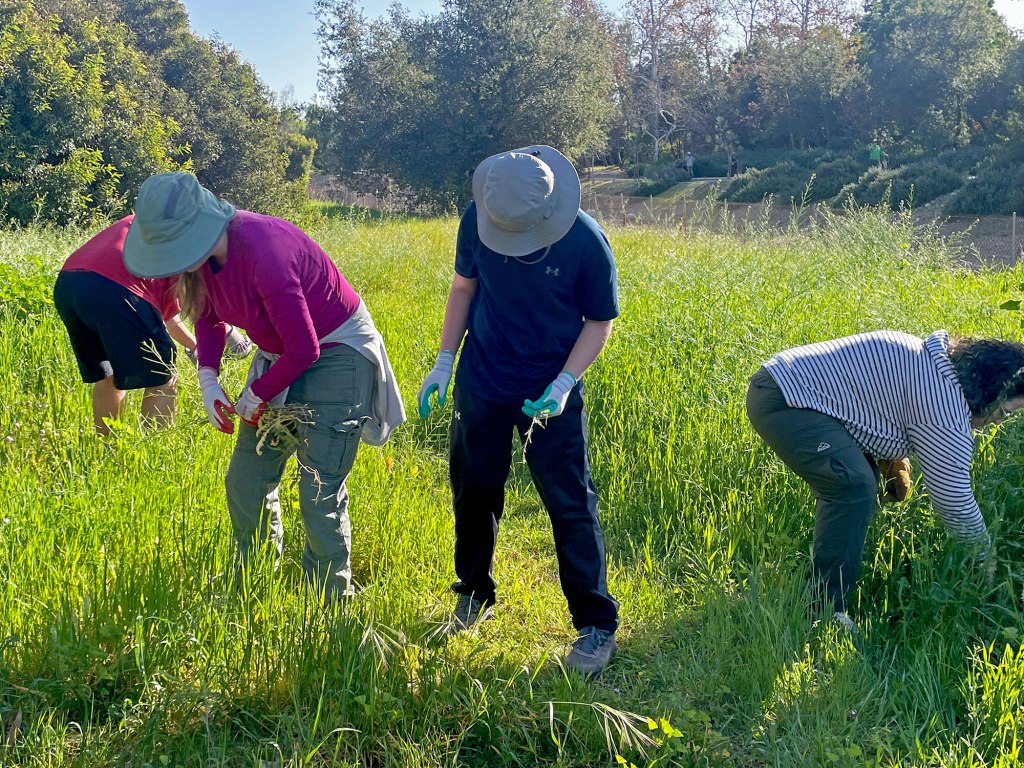
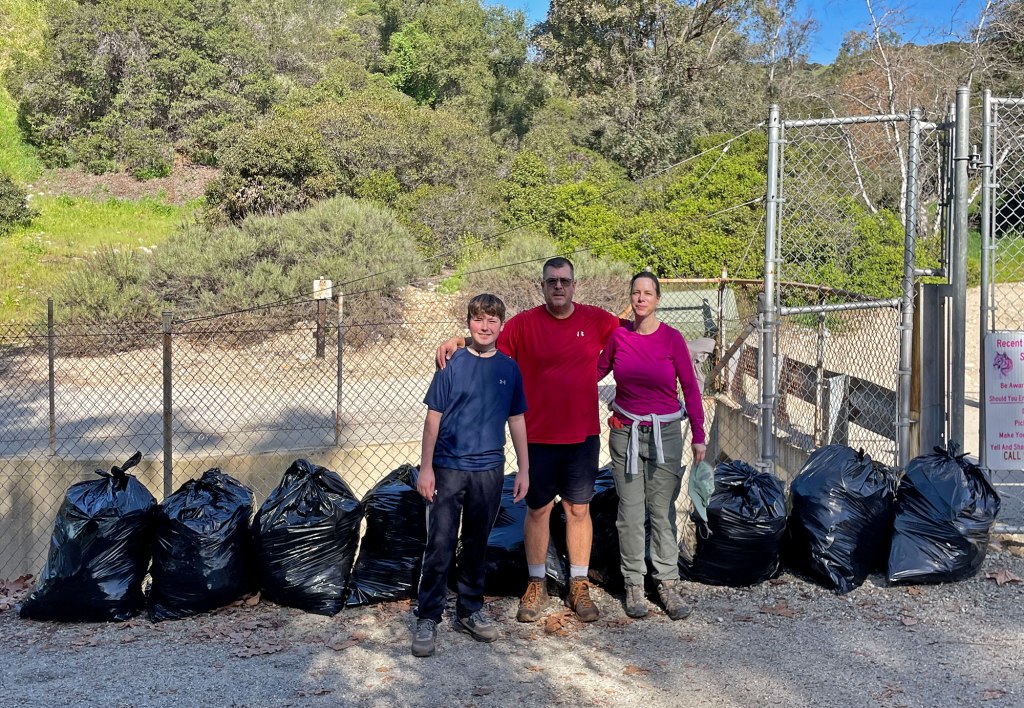
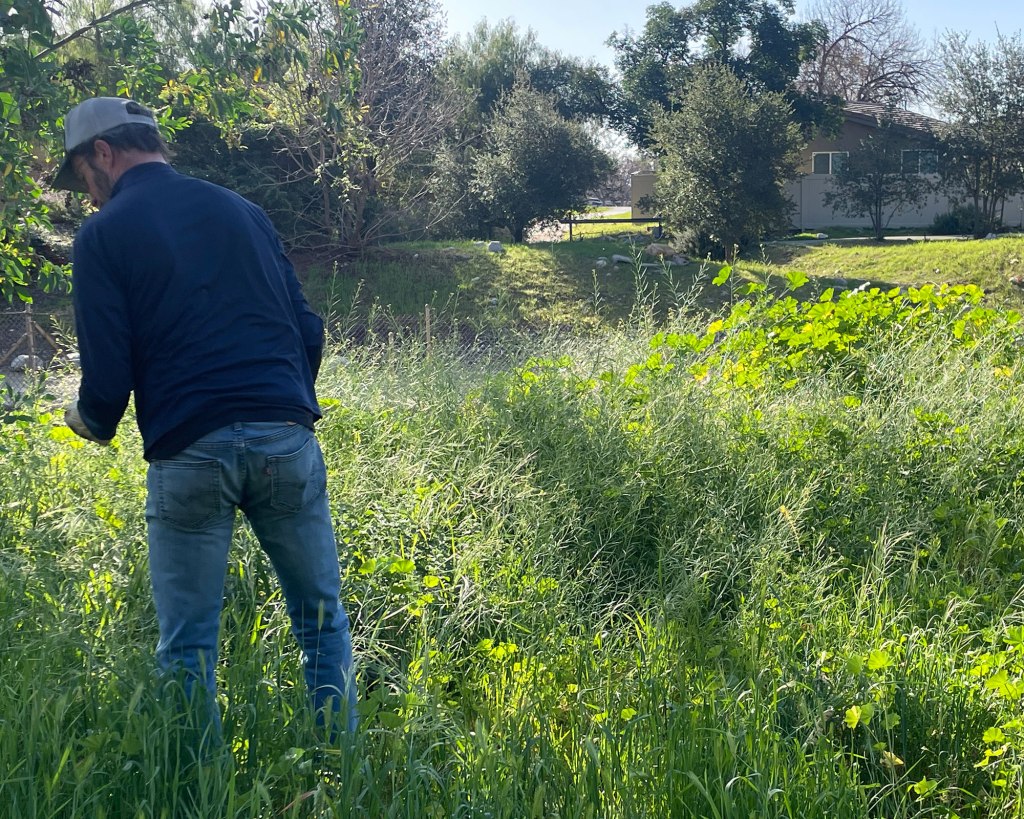
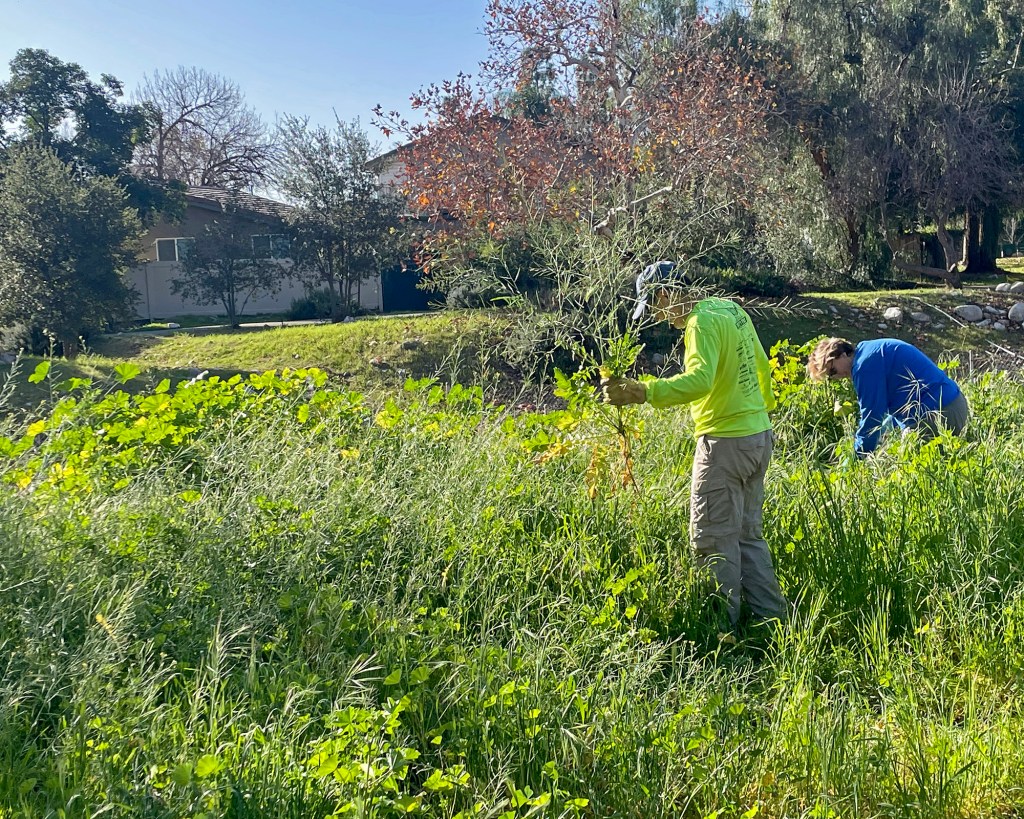
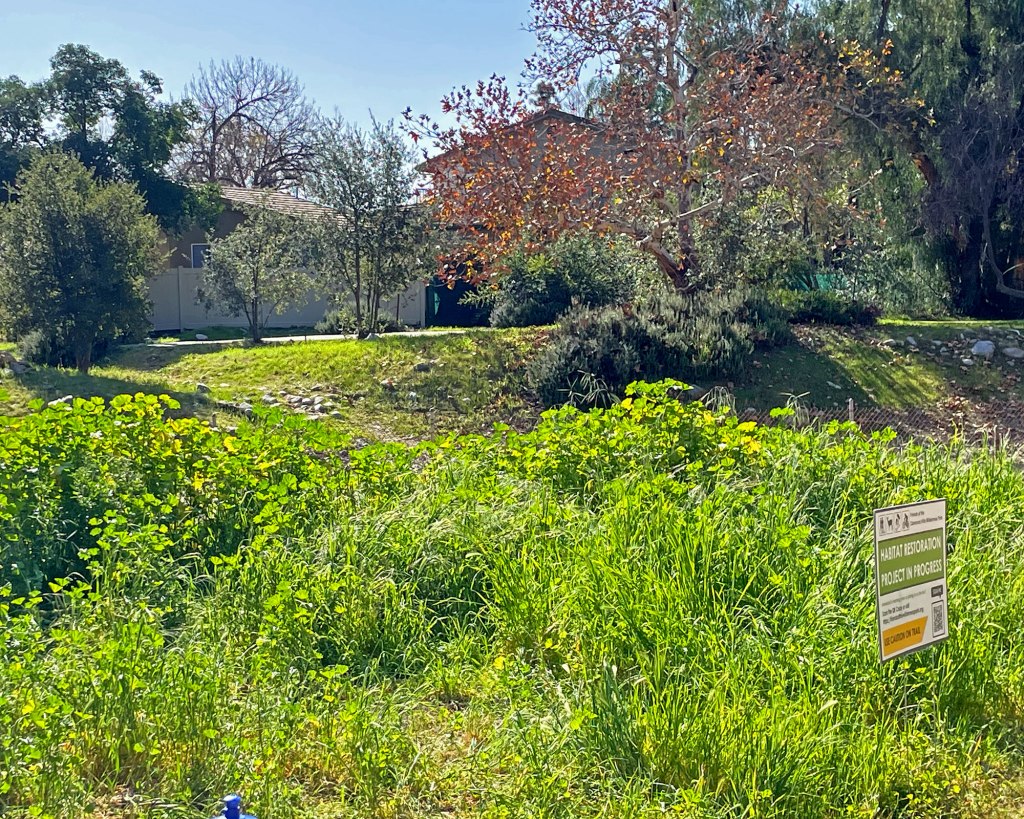
On Saturday, February 28, a terrific group of volunteers removed Mediterranean Cabbage (Brassica fruticulosa, also known as Twiggy Turnip) from around the trail and little stream near the Claremont Hills Wilderness Park entrance.
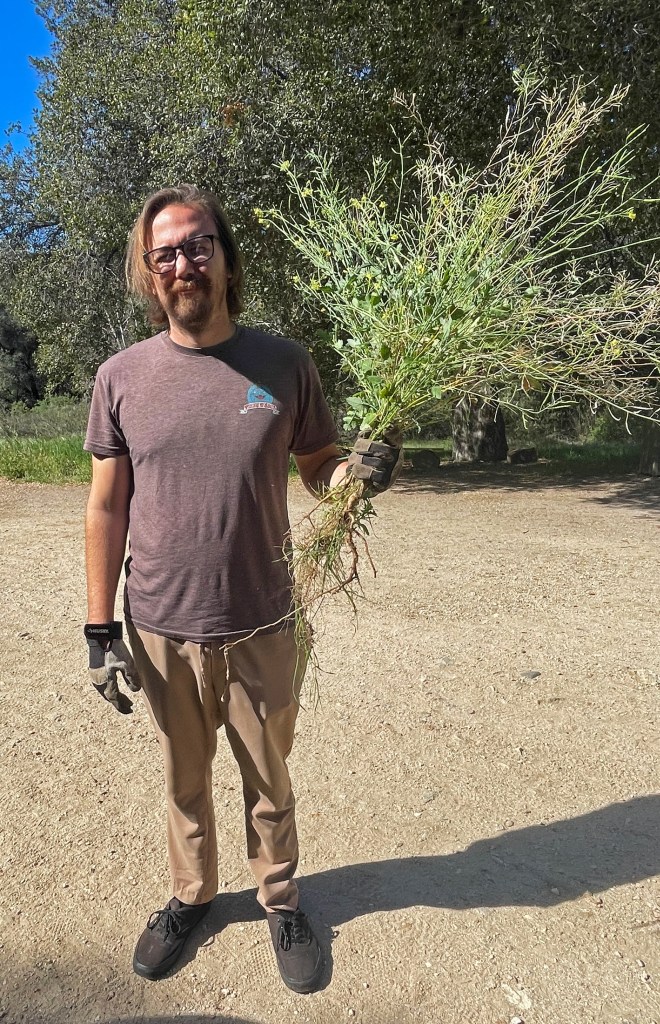
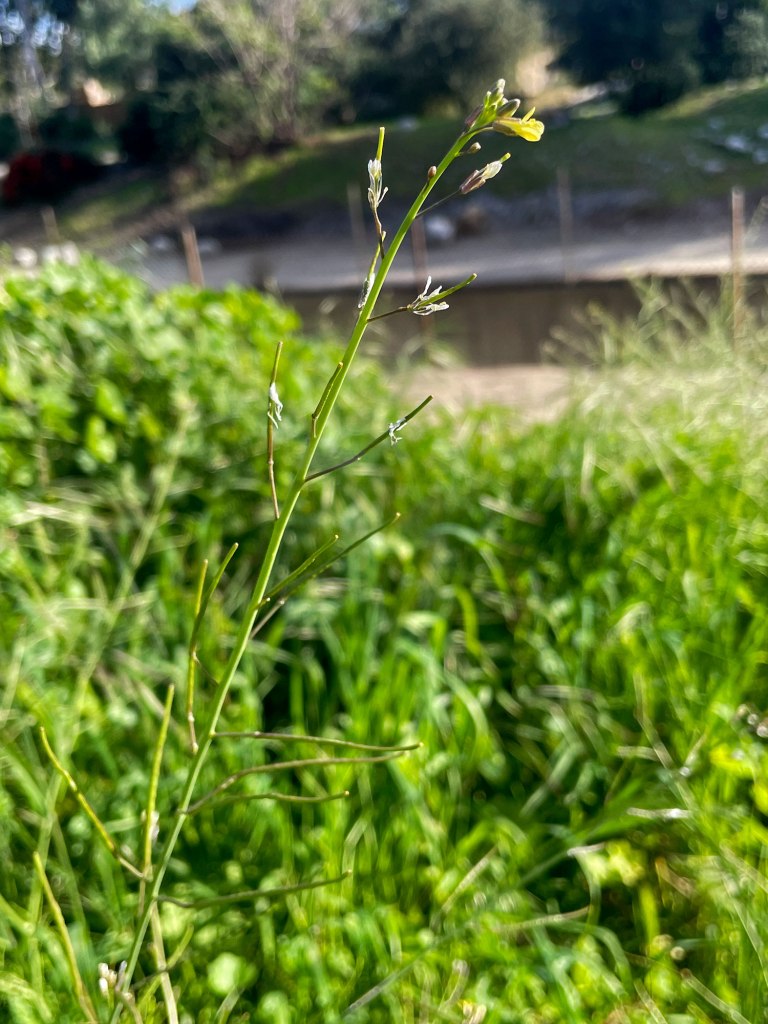
With its yellow four-petaled flowers and narrow, spreading, bumpy seed pods, B. fruticulosa somewhat resembles its more infamous near cousin Sahara Mustard. B. fruticulosa is native to the southern Europe and North Africa, and was first reported in the US in 1996. It has since emerged as a highly aggressive plant in Southern California. Like Sahara Mustard, it comes up early – typically in December or January – and you can see that by the time these photos were taken in February, it had already set seed. It will, however, continue to flower for a long period of time – perhaps through June – and forms dense persistant stands that displace native plants.
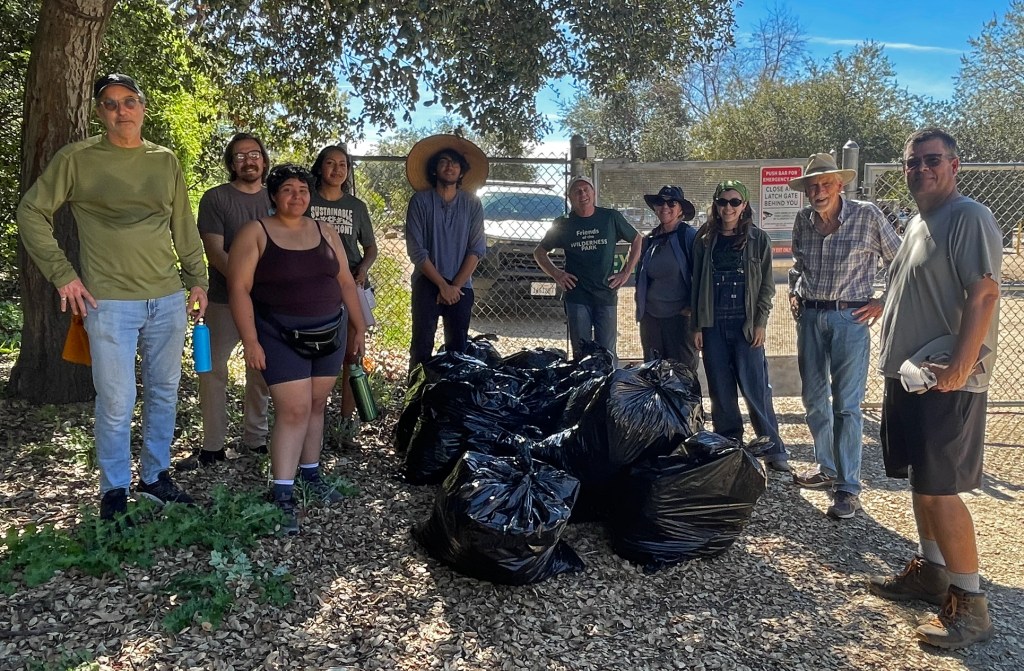
B. fruticulosa was first noted in the park in 2018, when three plants were reported by the little seasonal stream where it crosses the trail near the main entrance. Since then, it’s spread, and there are now thousands of plants up and down the trail and upstream and down stream along the little stream, so we are trying to get it out while there is still some hope of control, and we collected 14 large contractor bags full of these nasty plants. (Nasty to the environment, that is; they are reported to be edible.)
Here are some photos from the workday:
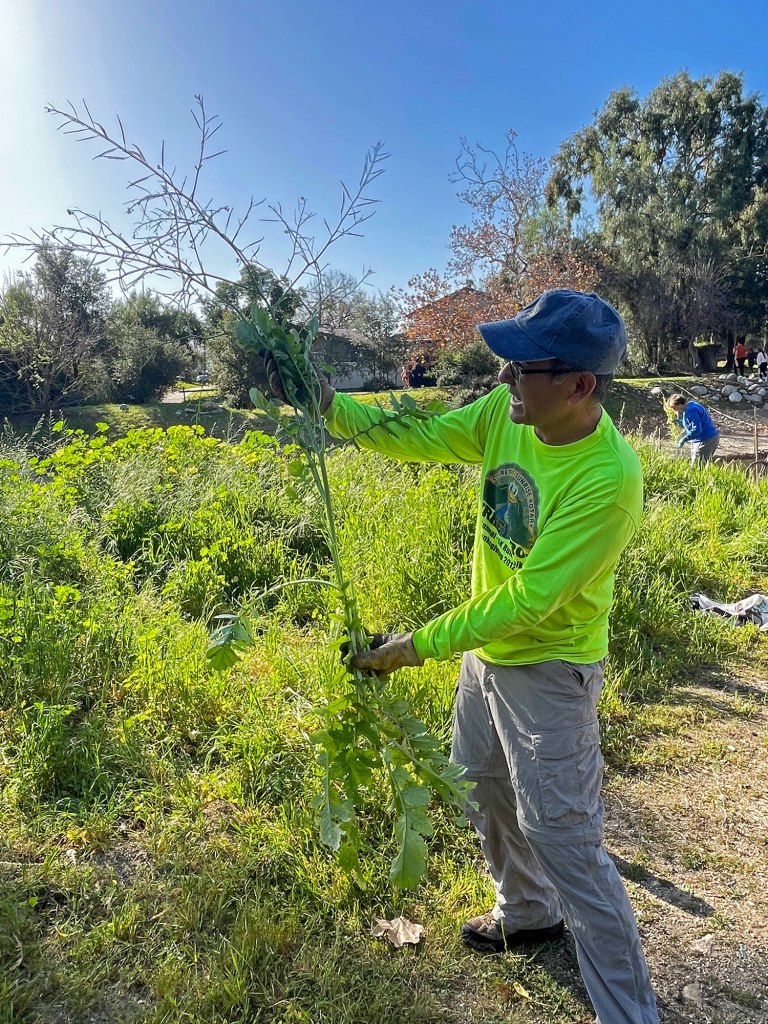
Mediterranean Cabbage with its characteristic 4-petaled flowers and bumpy seed pods.Kris removing Mediterranean Cabbage from the stream bank.Brian at work on Mediterranean Cabbage.Emily with a bunch of uprooted cabbage.Jackson with a bouquet of prize Mediterranean Cabbage specimens.Paul filling bags of cabbage.The weed workers – Brian, Jackson, Joscelin, Cristina, Ash, Paul, Candida, Emily, Richard, and Kris with bags of Mediterranean Cabbage. Pauline and Calvin are not in the photo because they were still pulling cabbage!
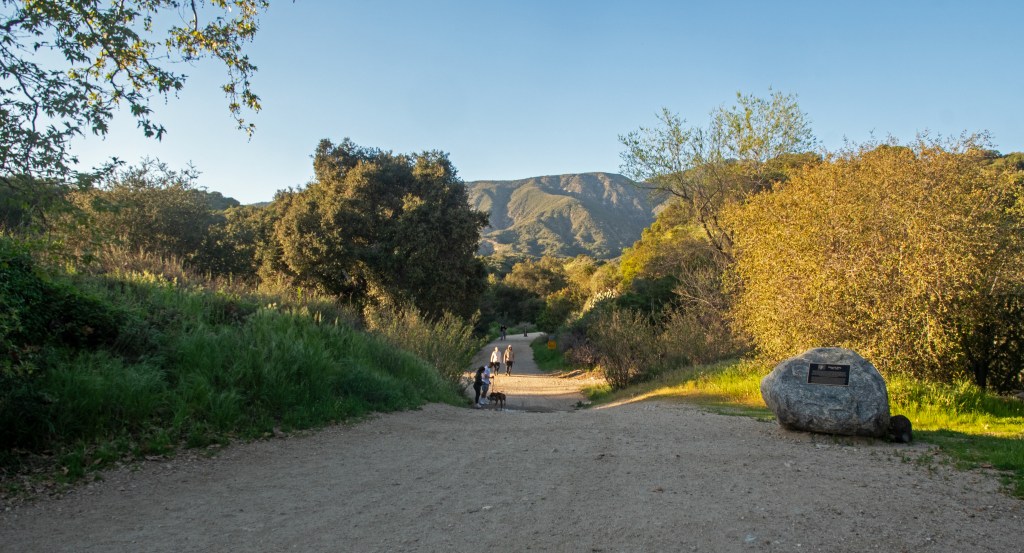
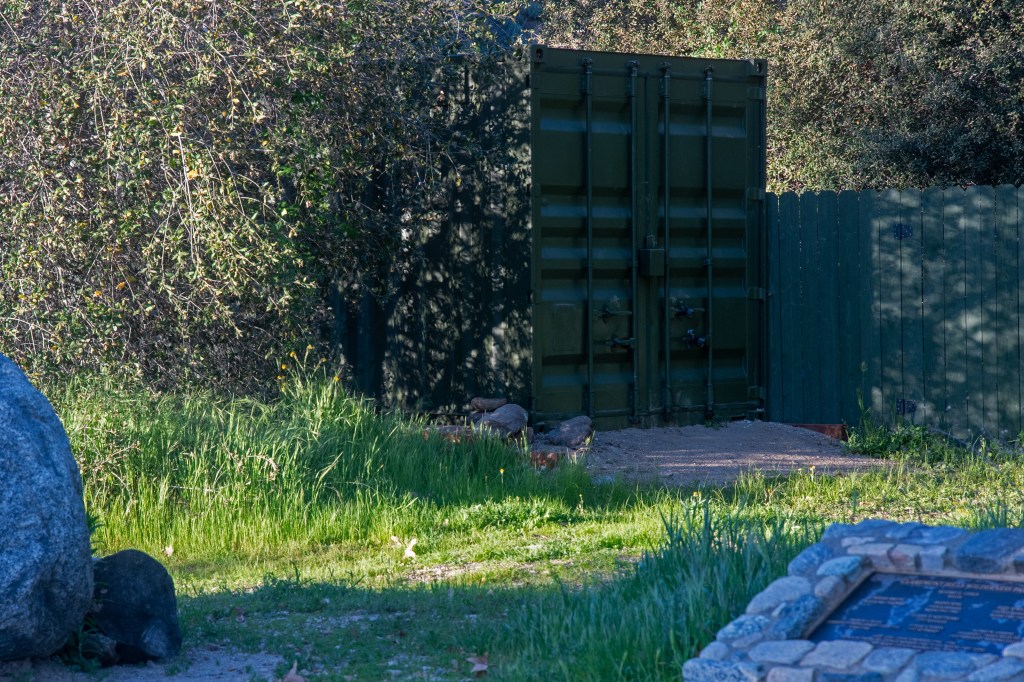
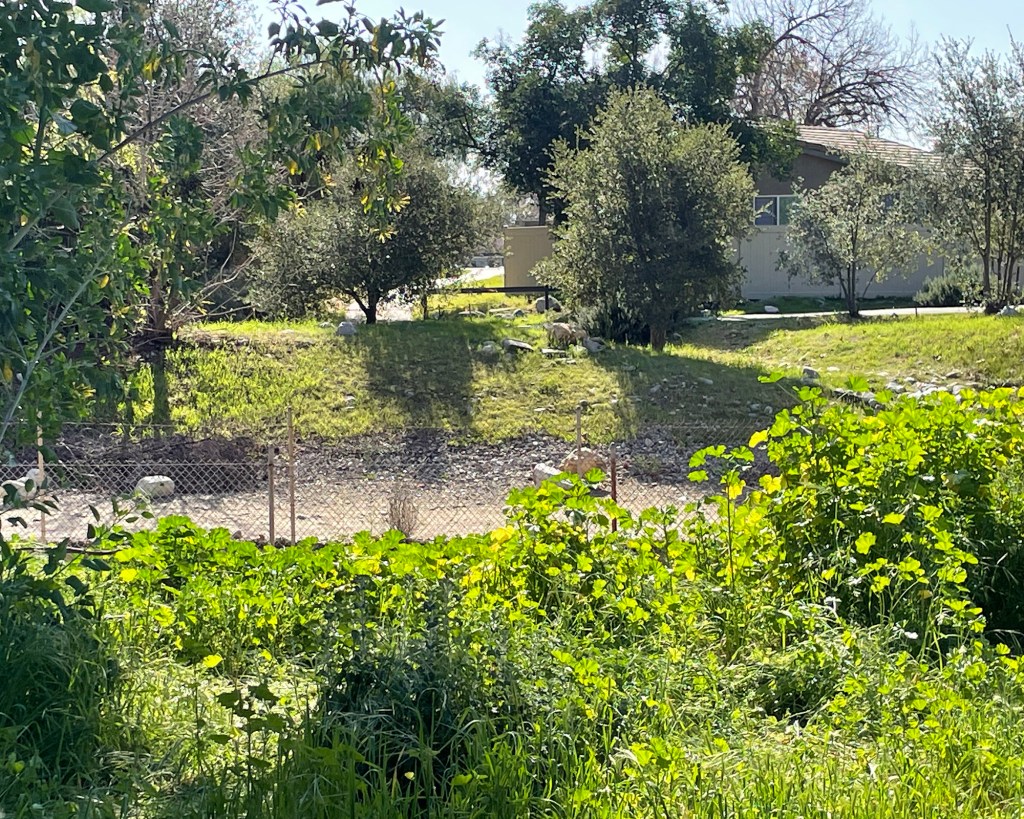
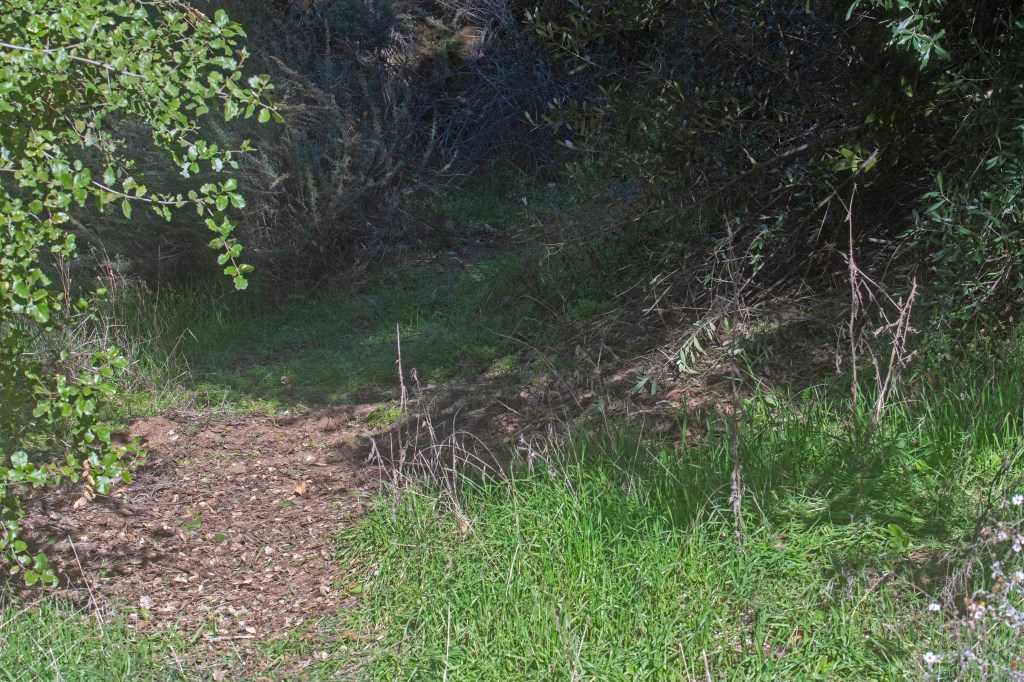
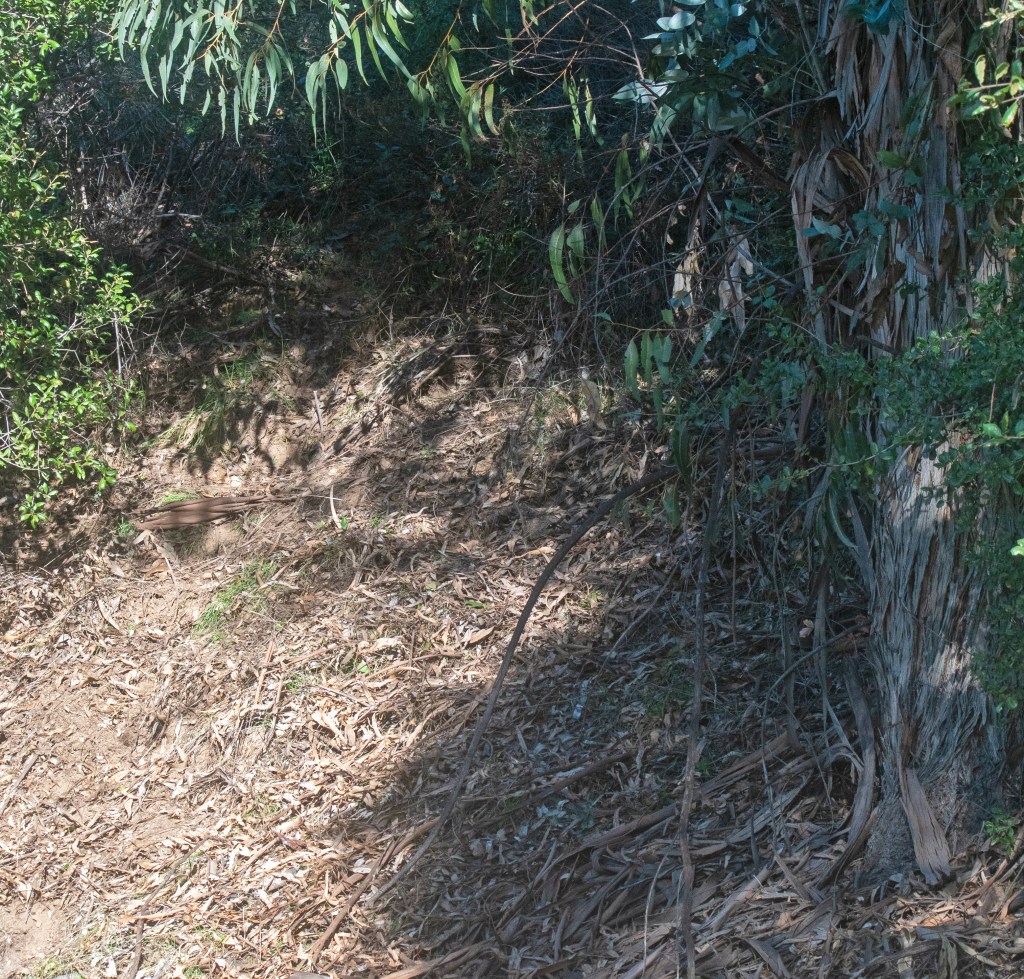
Although your intrepid photographer forgot to take “before” photos, you can enjoy some mustard-free “after” photos.
The trail after Mediterranean Cabbage was removed from the sides.The Rangers’ storage shed with no more Mediterranean Cabbage.
Many thanks to all who came! If you’d like participate in the future, just use our contact form to get added to our mailing list.
On Saturday, January 31, Friends volunteers removed Saharan Mustard from the Sycamore Canyon Trail.
Sahara Mustard has done horrible damage to the desert east of here, displacing native wildflowers and other native plants as well as creating a fire hazard where none had existed previously. Fortunately, Sahara Mustard has only established a few relatively small infestations in the Wilderness Park, so we have an excellent chance of eradicating this pest.
Two of the infestations are along the Sycamore Canyon Trail – a large one at the bottom of the trail and a small one about one-third of the way up. We first removed Saharan Mustard from these areas in January 2023. We were unable to hold a removal event in 2024, and the Saharan Mustard never came up in 2025, so this was our second removal at Sycamore Canyon.
There was less Saharan Mustard than in 2023. We tried to remove all of the mustard in these areas and filled 9 large contractor bags – compared to the 15 contractor bags we collected in 2023. It will take a few years before all the mustard is gone, as a seed bank has already been established, but we’re already seeing progress.
We hope to be having invasive plant removal events about once a month except for the hot part of the summer. If you’d like to get an announcement, just sign up for our email list.
Here are some photos from the mustard removal:
One of the Saharan Mustard plants.Kris, Pauline, Calvin, and Jenna hard at work.Catch of the Day! Jeff with a giant-sized Saharan Mustartd plant.Calvin, Kris, and Pauline with the bags of uprooted mustard.Hugh wading in to tackle the mustard.Jeff and Lori starting to work on the mustard.The above area afterwards. Still weeds – but no Saharan Mustard.The above area afterwards. Still weeds – but no Saharan Mustard.
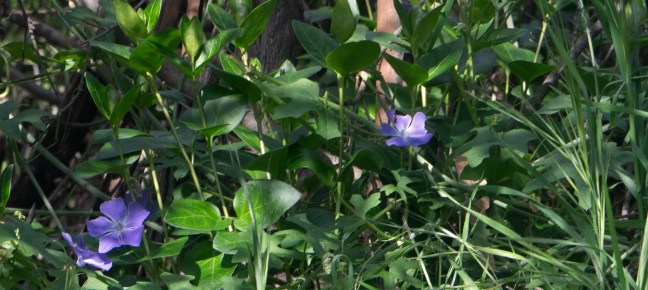
On Saturday, December 6, a dedicated crew set out to vanquish what we thought was a small infestation of Vinca major (Big Periwinkle) next to the Cobal Canyon Trail.
Vinca major (Big Periwinkle) growing next to the Cobal Canyon Trail.
Big Periwinkle is native to central Europe and the Mediterranean region. It was introduced to the United States in the 1700s as an ornamental and for medicinal uses. With its dark glossy green leaves and showy purple flowers, Big Periwinkle has become a popular ornamental ground cover, but when plants escape to the wild and find favorable conditions, they can spread invasively, forming a dense ground cover that outcompetes native vegetation. It grows best in moist, shady conditions, such as riparian corridors. Such infestations along streams can easily spread, as small pieces of stem can break off, float downstream, and sprout roots when they land to start a new infestation.
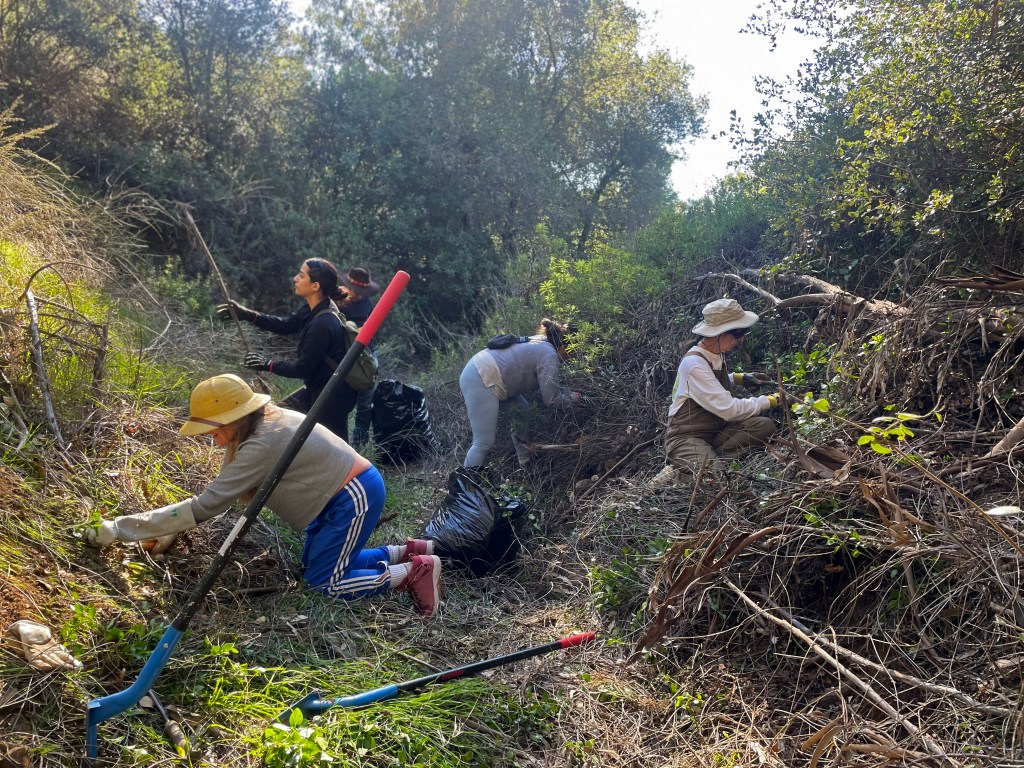
On Saturday, the volunteers set to work, but as we tackled the infestation, we realized it went farther upstream than we had known, as it couldn’t be seen from the trail. It became clear that the upstream plants were older and much more massive root systems than the plants at the downstream end.
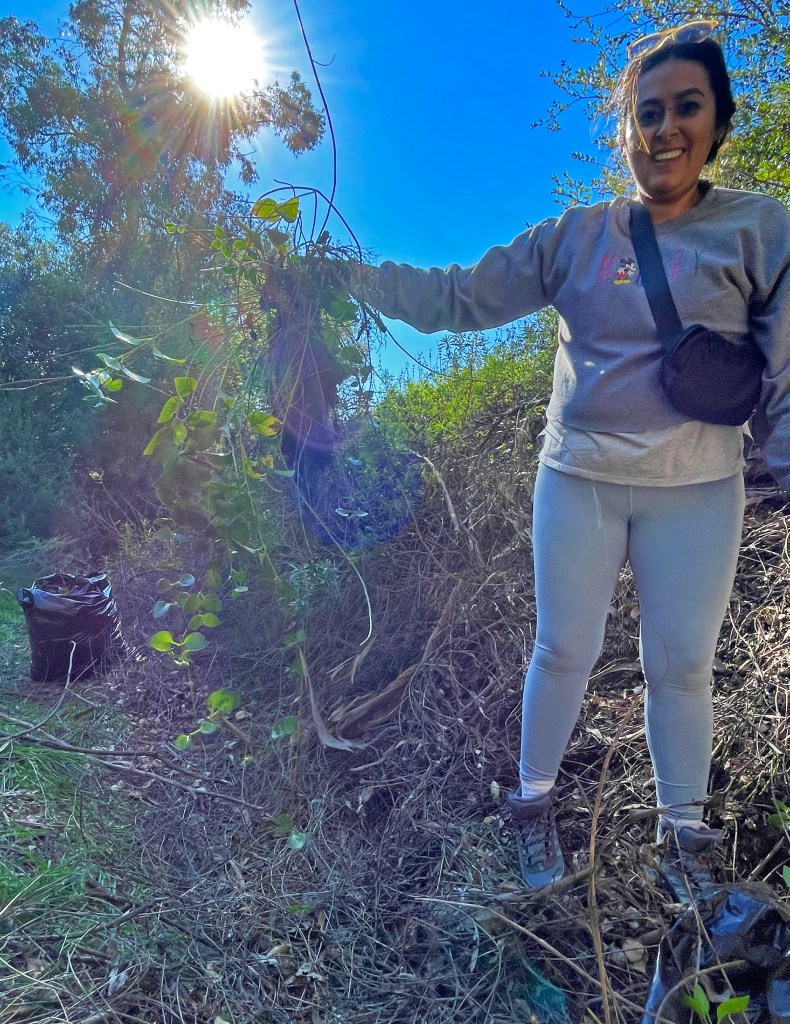
Volunteers hard at work on Periwinkle removal.Paul tracks down Periwinkle underneath shrubs.Claudia pulls Periwinkle off the slopeA thick patch of periwinkle upstream from the known infestation.Yikes! The older plants had really big roots!The crew – Johan, George, Dalia, Madeline, Paul, Cass, and Claudia (+ Heidi and Terri, not pictured) with their eight big bags of periwinkle.
Nonetheless, we removed all the Periwinkle from the originally targeted areas and some of the more upstream infestation. Here are some before and after photos:
The southernmost Periwinkle patch before removal.What we thought was the main Periwinkle patch before removal.The southernmost Periwinkle patch after removal.What we thought was the main Periwinkle patch after removal.
Many thanks to all the hard-working volunteers! Stay tuned for another workday to tackle the rest of the Periwinkle!






 Friends of the Claremont Hills Wilderness Park