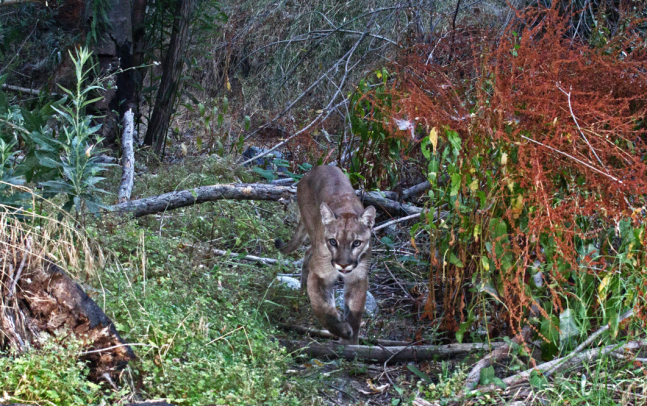
Bird the Wilderness Park with us!

The Friends of the Wilderness Park are planning to offer more educational events for those who would like to know more about the natural history of the CHWP.

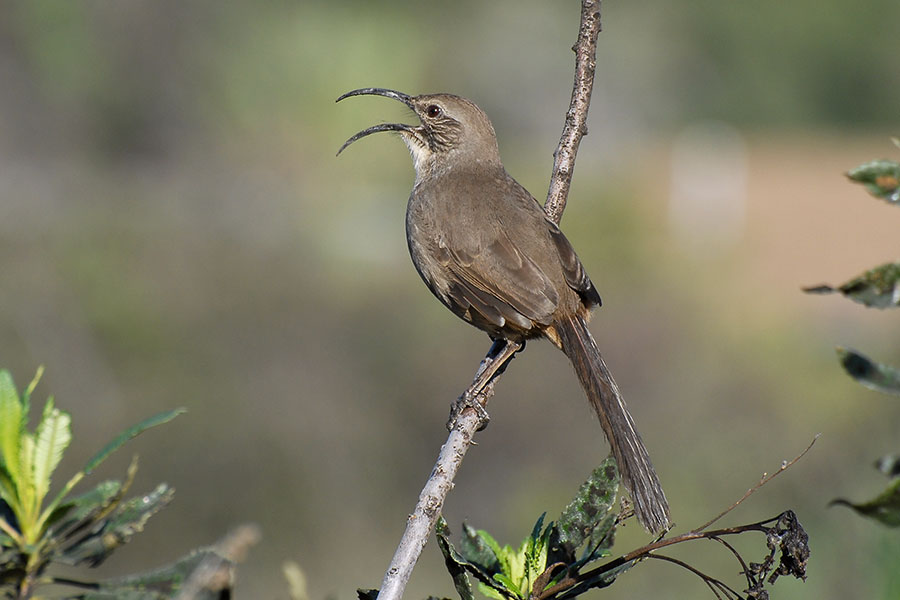
Our first offering is a collaboration with the Pomona Valley Bird Alliance to bird this diversity hotspot (990 species of organisms on the Friends’ iNaturalist CHWP Biota project, 133 species on eBird). We will take a holistic approach, observing the birds as well as the natural history they are  associated with on this 2-3 hour walk.

This is a great opportunity to learn about using eBird and iNaturalist to share your observations of birds and other wildlife. If you’re interested, please download the apps to your phone before you come to the Park, as cell phone reception in the Park is spotty at best.

Meet at the entrance gate to the park at 7:00 AM.  Parking is free for 6 hours for Claremont residents in the south parking lot at Mills and Mount Baldy Road and $5.00 for nonresidents at the north and south lots.  Bring water, sunscreen, sturdy shoes and binoculars.  Limited to 15 participants. To participate, register here.

Questions? Contact Scott Marnoy to RSVP at gopherus2@gmail.com

Location: Claremont Hills Wilderness Park main entrance
Mills Avenue and Mt. Baldy Road, Claremont, CA 91711 

    Difficulty:  Strenuous-2-3 miles on gravel roads with elevation gain.

    2025 City Nature Challenge CHWP BioBlitz results

    Thank you to everyone who participated in the Claremont Hills Wilderness Park BioBlitz this year! Unfortunately, Saturday, whihc would normally be our biggest day, was rained out, but nonetheless during the BioBlitz…

    • 92 observations were made
    • 73 different species were observed
    • 12 observers participated (2 were new iNaturalist users)
    • 5 new species (3 plants and 2 insects) and one new insect family were added to the Biota of the CHWP project (this number might grow or shrink with new IDs)

    Here are just a few of the special “first finds” made in the park during the 2025 CNC BioBlitz:

    Graceful Bedstraw (Galium porrigens)


    Photo by @carolblaney

    One of these was Graceful Bedstraw (Galium porrigens), which was most recently documented in 1971. Galium species are called “Bedstraw” because their fine hook-like hairs that cling to each other so the plants don’t mat down easily when used as a mattress.

    Menzies’ Baby Blue Eyes (Nemophila menziesii)


    Photo by @nvhamlett

    This charming plant is frequently included native wildflower mixes. It was last documented in the CHWP in 1963.

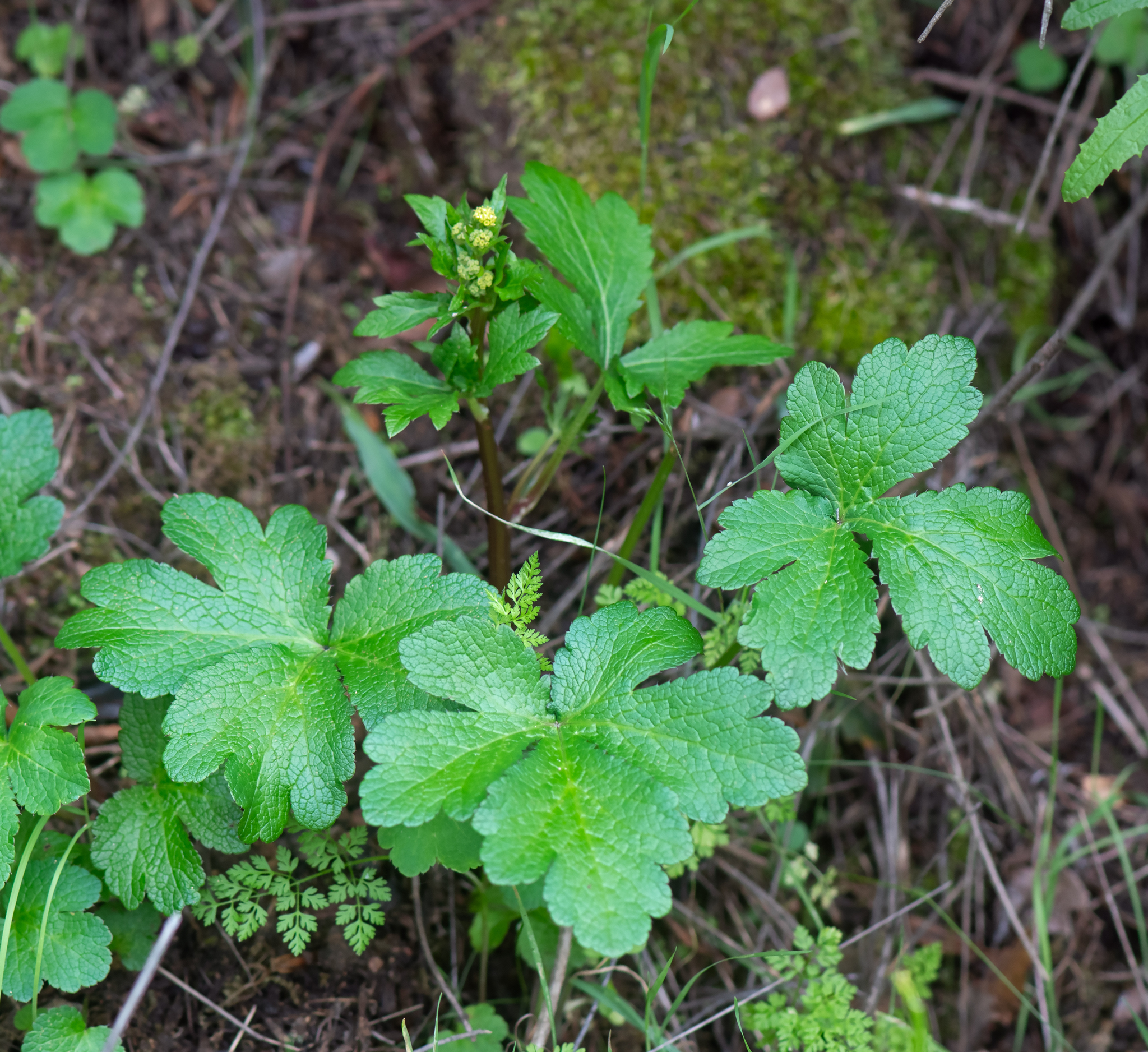
    Pacific Sanicle (Sanicula crassicaulis)


    Photo by @nvhamlett

    Pacific Sanicle had never previously been documented in the CHWP. The species name, Sanicula, is the dimnutive of the Latin sanare, “to heal”, and native peoples did use this plant for medicinal purposes, including using a poultice of the leaves to treat rattlesnake bites and other wounds. The alternative common name “Snakeroot” probably refers to this use.

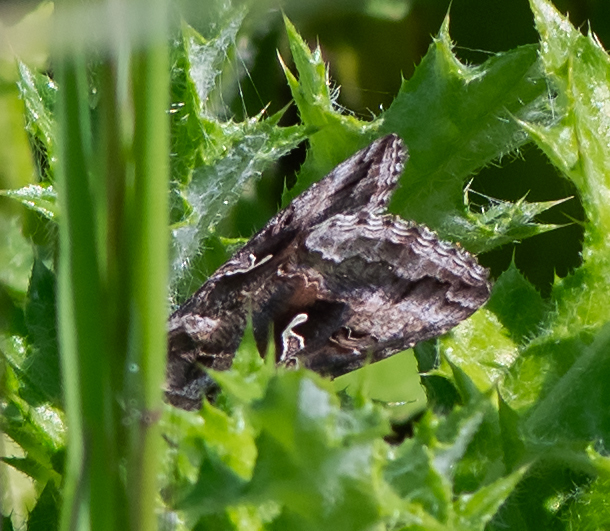
    Alfalfa Looper (Autographa californica)


    Photo by @nvhamlett

    Loopers are so called for the way the caterpillars arch their backs as they crawl along in a looping manor. The caterpillars can cause damage not only to alfalfa, but also peas, sugar beets, beans, mint, and spinach. In most cases, control is needed only where insecticides applied for other pests have reduced natural enemy populations.

    If you’re curious, you can see all of the BioBlitz observations here.

    These observations are a big help to park managers at the city of Claremont, who use such data to make decisions about endangered species and invasive ones. For those of us fascinated by diversity, seeing these new species is also great fun and great learning.

    Many, many thanks to @nvhamlett, @carolblaney, @keirmorse, @kwnaturalist, @alexiam068, @jeremyflores, @mskeschner, @moonlightrunner, @stephnjamie, @csuen, @scottmarnoy, @tonyjeremy4140 for contributing observations and making the BioBlitz a big success!

    The City Nature Challenge BioBliz results are in!

    Drum roll, please…the 2023 Claremont Hills Wilderness Park BioBlitz results have been tallied!

    From April 28–May 1, dedicated iNat observers made 653 observations of 233 species in the park. Especially impressive was that observers captured photos of 58 species not recorded in the park on iNaturalist before. Congratulations and thank you to everyone who participated!!

    These observations are a big help to park managers at the city of Claremont, who use such data to make decisions about endangered species and invasive ones. For those of us fascinated by diversity, seeing these new species is also great fun and great learning.

    To make the park BioBlitz more available this year, we extended it from one day to four, in conjunction with the annual City Nature Challenge. From April 28–May 1, twenty-seven iNaturalists joined us out on the trails. At least eight observers were using iNaturalist for the very first time. Welcome!

    Several experienced iNat users joined us too, gathering at the welcome table hosted by Friends of the Wilderness Park on April 29. It was lovely to meet all the project contributers, many for the first time.

    Here are just a few of the special “first finds” made in the park during the 2023 BioBlitz:

    Twining snapdragon
    (Neogaerrhinum strictum)


    Photo by @gabimclean

    iNaturalist users @boazsolorio & @gabimclean both captured photos of this lovely purple-flowered plant. The last reported observation of this plant in the park was almost exactly 60 years ago — in May 1963.

    Dog Vomit Slime Mold
    (Fuligo septica)


    Photo by @c_and_h

    iNaturalist user @c_and_h spotted this yellowish glop with the most unusual name of Dog Vomit Slime Mold. Despite its unappealing name, the Dog Vomit Slime Mold is a beneficial contributor to the ecosystem, decomposing organic material and making its nutrients available to other organisms. The tough Dog Vomit Slime Mold spores even survived being sent into the stratosphere in a NASA balloon.

    Owl’s Clover
    (Castilleja exserta)
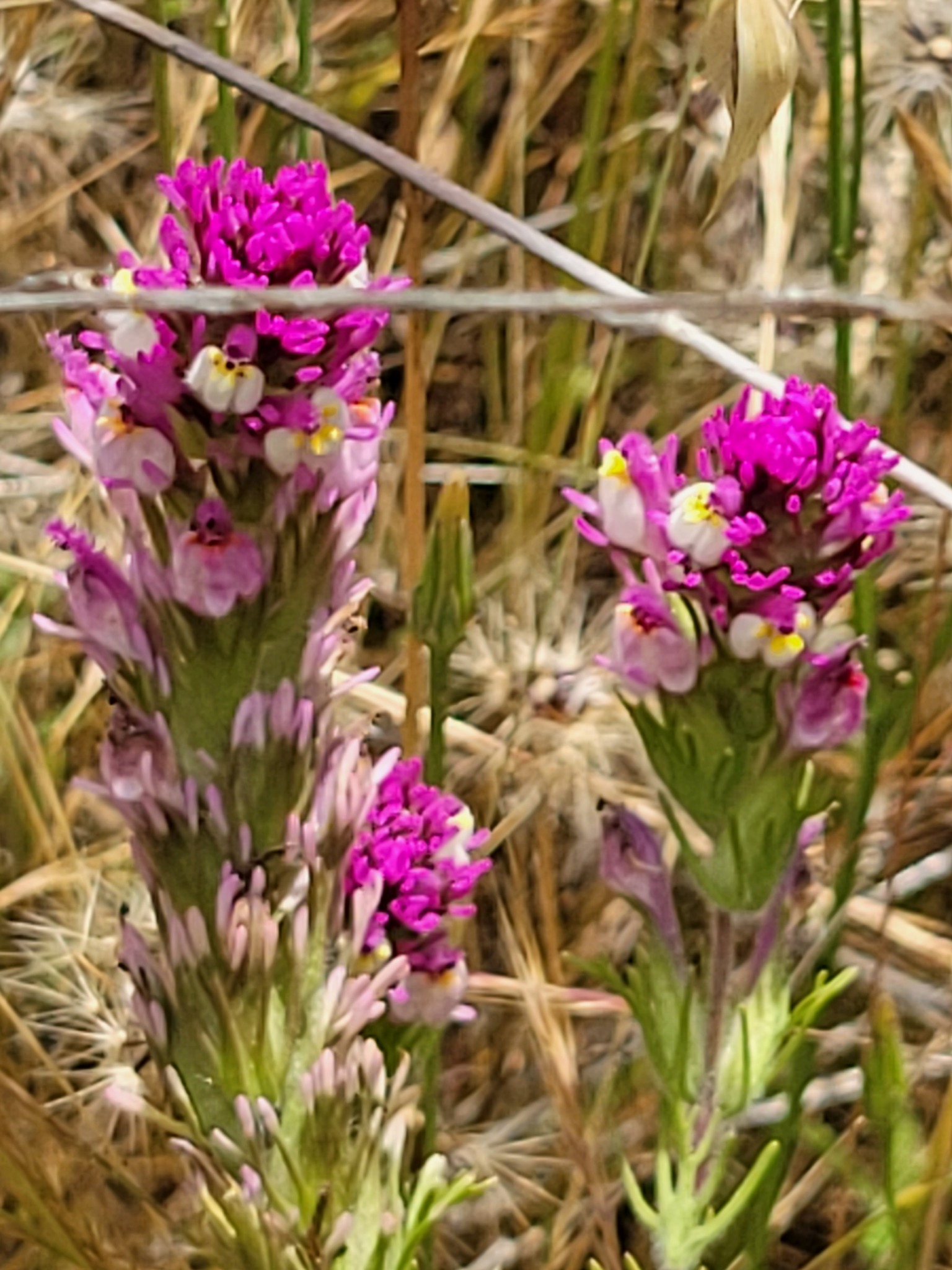


    Photo by @lynette4nature

    iNaturalist user @lynette4nature spotted a nice patch of Purple Owl’s Clover, which has never previously been reported in the park. Purple Owl’s Clover is related to the paintbrushes, and the brushy appearance of the flower cluster leads to its Spanish name, Escobita, which means “little broom”.

    Exiliscelis californiensis
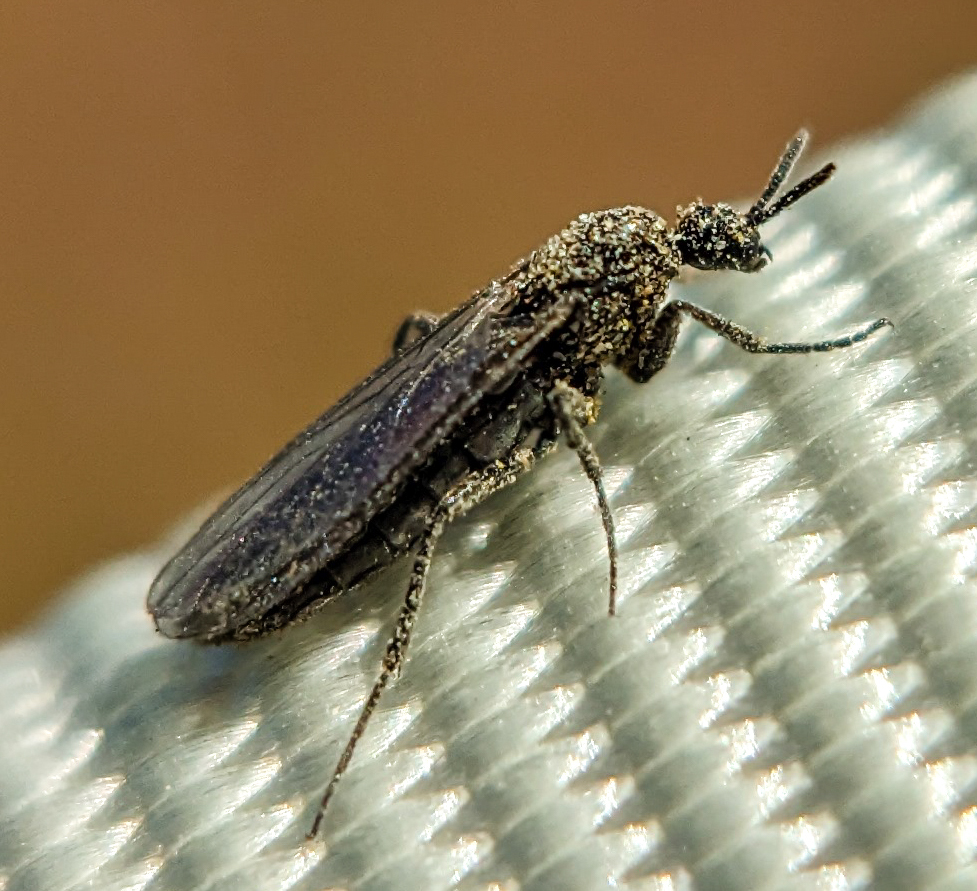


    Photo by @carolblaney

    Wow! iNaturalist user @carolblaney captured a photo of this fly that flew onto her hat, and it turned out to be only the second observation EVER for all of iNaturalist! Interestingly, this rare fly also appears to be an important pollinator of a rare plant, the endangered Otay Tarplant (Deinandra conjugens).

    If you’re curious, you can see all of the BioBlitz observations here!

    Many, many thanks to iNaturalist users @boazsolorio, @bee_ecology, @gabimclean, @carolblaney, @lynette4nature, @lunahuitron, @c_and_h, @diego4nature, @nvhamlett, @moonlightrunner, @macciecheese, @eddie154, @jenloren, @rebekaweinstein @somuchseh, @yhrnndz, @chaparralbees, @cicruz, @vmanzo15, @dllemieux, @jasmineq, @samantha1840, @sarahill, @brijorgerebeka, @davesolancesmith, @evie63, @samstan for contributing observations and making the BioBlitz a big success!

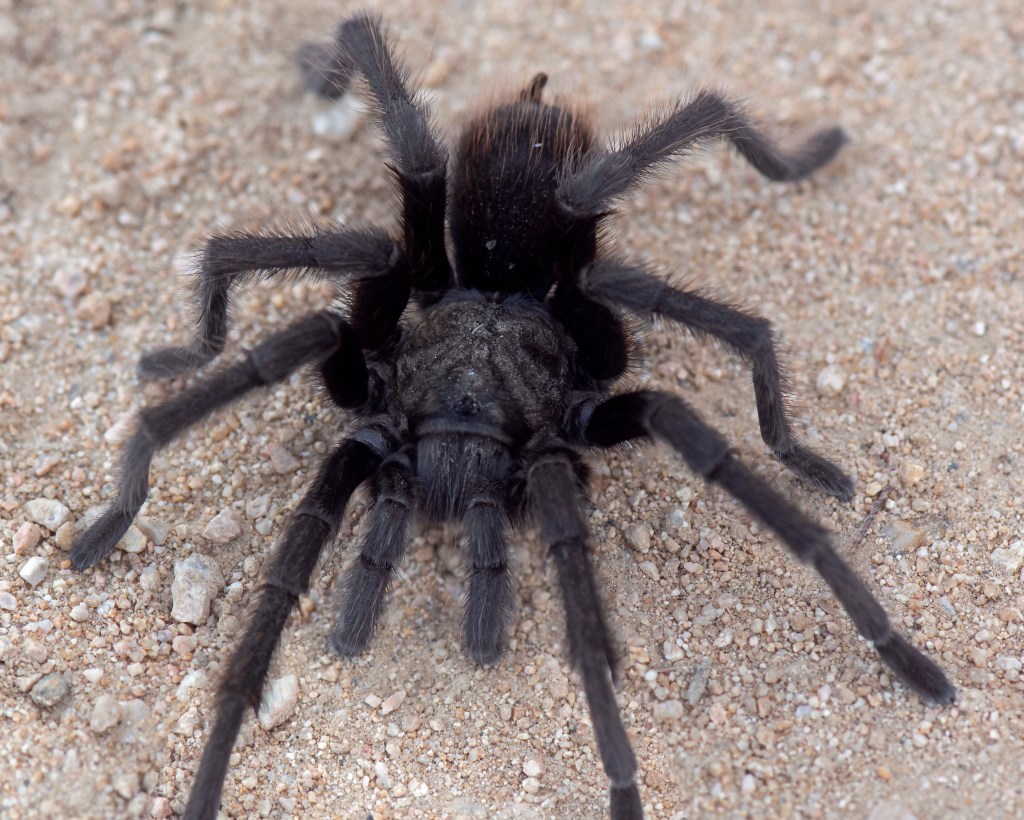
    Question of the Day: Why did the tarantula cross the road?

    If you’ve been to the Wilderness Park recently, you may have spotted tarantulas out on the fire trails, and you might well wonder:

    Why are so many tarantulas out now?
    Why are they crossing the roads?

    The tarantulas you see out on the roads this time of year are all adult males, and they are out looking for females. They really have only one thing on their little tarantula minds, and they are pretty oblivious to anything else.

    A male California Ebony Tarantula (Aphonopelma eutylenum) crossing Johnson’s Pasture Rd in the Wilderness Park. On the front legs you can see the tibial hooks or spurs that are used to grasp the female during mating. ©Nancy Hamlett.


    The females are found in burrows that are scattered across the landscape, and the males search for them by alternating between walking in straight lines and walking in concentric circles until a female’s scent is detected, suggesting that a burrow is nearby. The males may travel as much as 3/4 of a mile looking for a mate, and if a road is in their path, they just trundle on across it.

    Once a male has found a female’s burrow, he signals his presence by doing some fancy drumming on the ground at the burrow’s entrance. If the female likes his drumming, she will emerge from her burrow, and mating can commence. The male uses special hooks on its front legs (which you can see in photo above) to immobilize the female’s fangs and position her during mating.

    Autumn is the mating season for tarantulas, so that’s when you’ll most likely spot the males out on their mating missions. If we look at the distribution of tarantula sightings reported on our iNaturalist project, you can see that over 80% of the observations were made in August – November.

    Tarantula observations in the Wilderness Park by month. Nineteen of 23 iNaturalist observations (83%) were made in August – November.

    It’s not clear exactly how many tarantula species reside in the Wilderness Park. Only one species – California Ebony Tarantula (Aphonopelma eutylenum) – has iNaturalist observations labeled as “Research Grade”, meaning that the identification has been confirmed by a consensus of other identifiers. Steindacher’s Ebony Tarantula (Aphonopelma steindachneri) has also been reported, but the identifications have not been confirmed.

    Different Aphonopelma species look very similar and can be extremely difficult to distinguish without molecular data (see Hamilton et al., 2016), so we may never know whether one or two species are present in the Park. You can see all the reported iNaturalist observations of tarantulas in the Park here.

    If you’d like to find out more about the tarantula’s life cycle, check out Ralph Washington, Jr.’s article in Bay Nature magazine.

    California Biodiversity “Day” in the Wilderness Park

    Thanks to everyone who participated in California Biodiversity Day at the Wilderness Park on September 11, and thanks to the Park Rangers, who set up their canopy for us! During the official California Biodiversity Days, Sept. 4 – 12, seventeen new observations were reported to our iNaturalist project, including 14 taxa, of which 11 were identified to species.

    Here are a few that were observed:

    Telegraph Weed (Heterotheca grandiflora)

    Telegraph Weed growing up Johnson’s Pasture Road on the “loop”. © Peri Lee · some rights reserved
    Telegraph Weed – flower detail. © Peri Lee · some rights reserved

    Telegraph Weed was the species most commonly reported in the Park during California Biodiversity Days. Its bright yellow flowers on tall stems (sometimes more than 5 ft) are a common sight in the Park in late summer and fall. It is a pioneer native species, growing along roadsides and in other disturbed sites.

    The origin of the common name is hazy. Some think it’s because the tall, slim stalks stick up like telegraph poles. Others have suggested it’s because it readily colonized the areas disturbed by telegraph pole installation.

    Threadleaf Groundsel (Senecio flaccidus)

    Threadleaf Groundsel next to Palmer-Evey Mountainway. © travisbbotany · some rights reserved

    Another late summer and fall bloomer, Threadleaf Groundsel’s bright yellow daisy-like flowers rise about the mass of pale gray-green threadlike leaves that give the shrub its common name. Many different bees like to visit Threadleaf Groundsel.

    Small Carpenter Bee (Ceratina sp.)

    A Small Carpenter Bee on California Aster (Corethrogyne filaginifolia) next to the Cobal Canyon Trail.
    © Nancy Hamlett · some rights reserved

    Small Carpenter Bees are related to the large carpenter bees you may have seen around your house, but they are much too small to be able to bore into wood to make their nests; instead they make their nests in the pithy stems of plants.

    Woodland Skipper (Ochlodes sylvanoides)

    A Woodland Skipper nectaring on Cliff Aster (Malacothrix saxatilis) next to the Cobal Canyon Trail.
    © Nancy Hamlett · some rights reserved

    Woodland Skippers are common in chaparral in the late summer and fall. The larval host plants are grasses, but the adults nectar on a wide variety of plants.

    You can see all of the Biodiversity Day observations here.