
The Friends of the Wilderness Park are now on Instagram! Check us out and be sure to follow us at @friendsofchwp!
Many thanks to Dana Gomez for setting us up!

The Friends of the Wilderness Park are now on Instagram! Check us out and be sure to follow us at @friendsofchwp!
Many thanks to Dana Gomez for setting us up!

The Friends of the Wilderness Park’s Annual Report for 2024-2025 is now available. Click here to see what we’ve been up to this past year.

Thank you to everyone who participated in the Claremont Hills Wilderness Park BioBlitz this year! Unfortunately, Saturday, whihc would normally be our biggest day, was rained out, but nonetheless during the BioBlitz…
Here are just a few of the special “first finds” made in the park during the 2025 CNC BioBlitz:

Photo by @carolblaney
One of these was Graceful Bedstraw (Galium porrigens), which was most recently documented in 1971. Galium species are called “Bedstraw” because their fine hook-like hairs that cling to each other so the plants don’t mat down easily when used as a mattress.

Photo by @nvhamlett
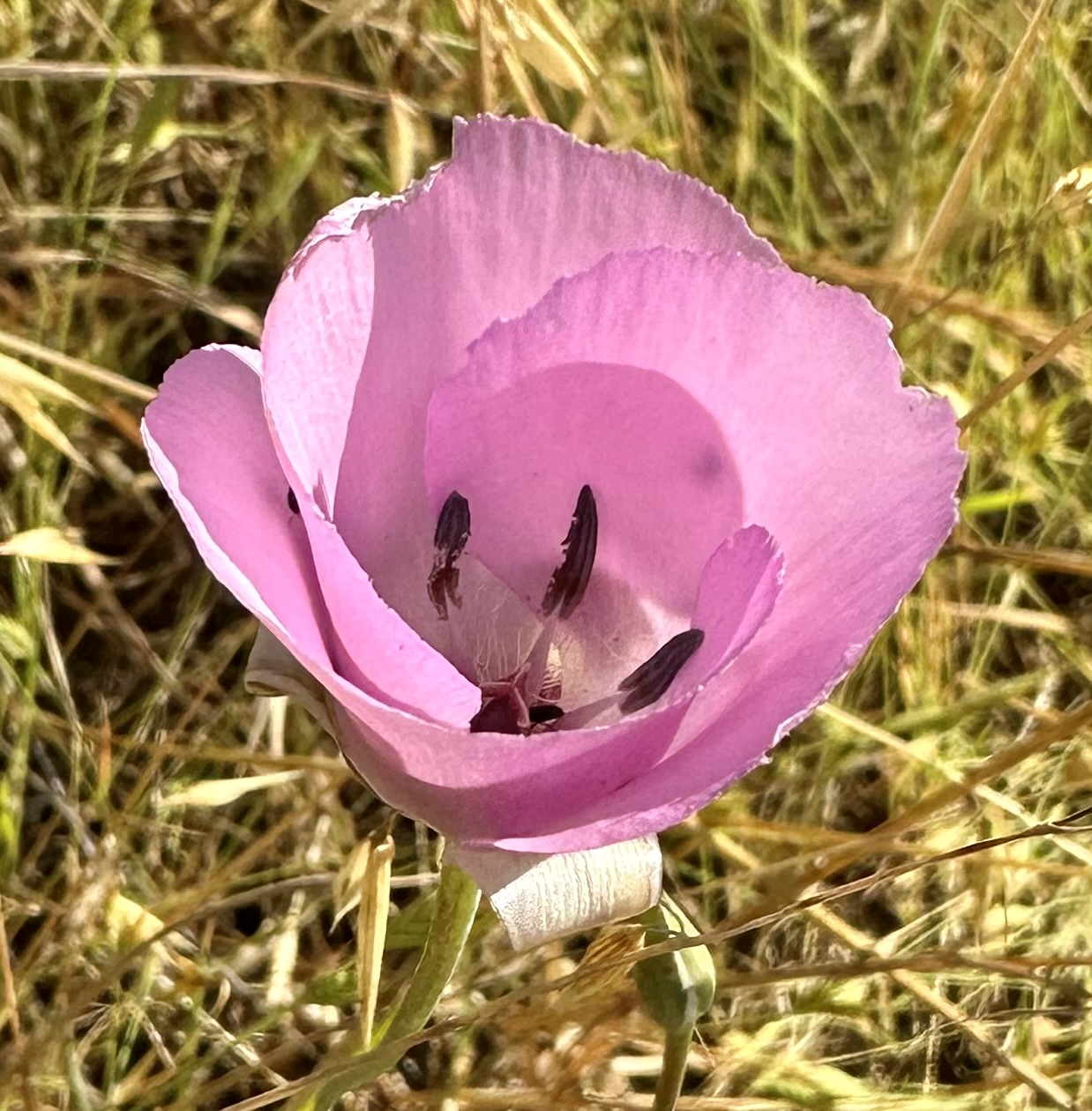
This charming plant is frequently included native wildflower mixes. It was last documented in the CHWP in 1963.
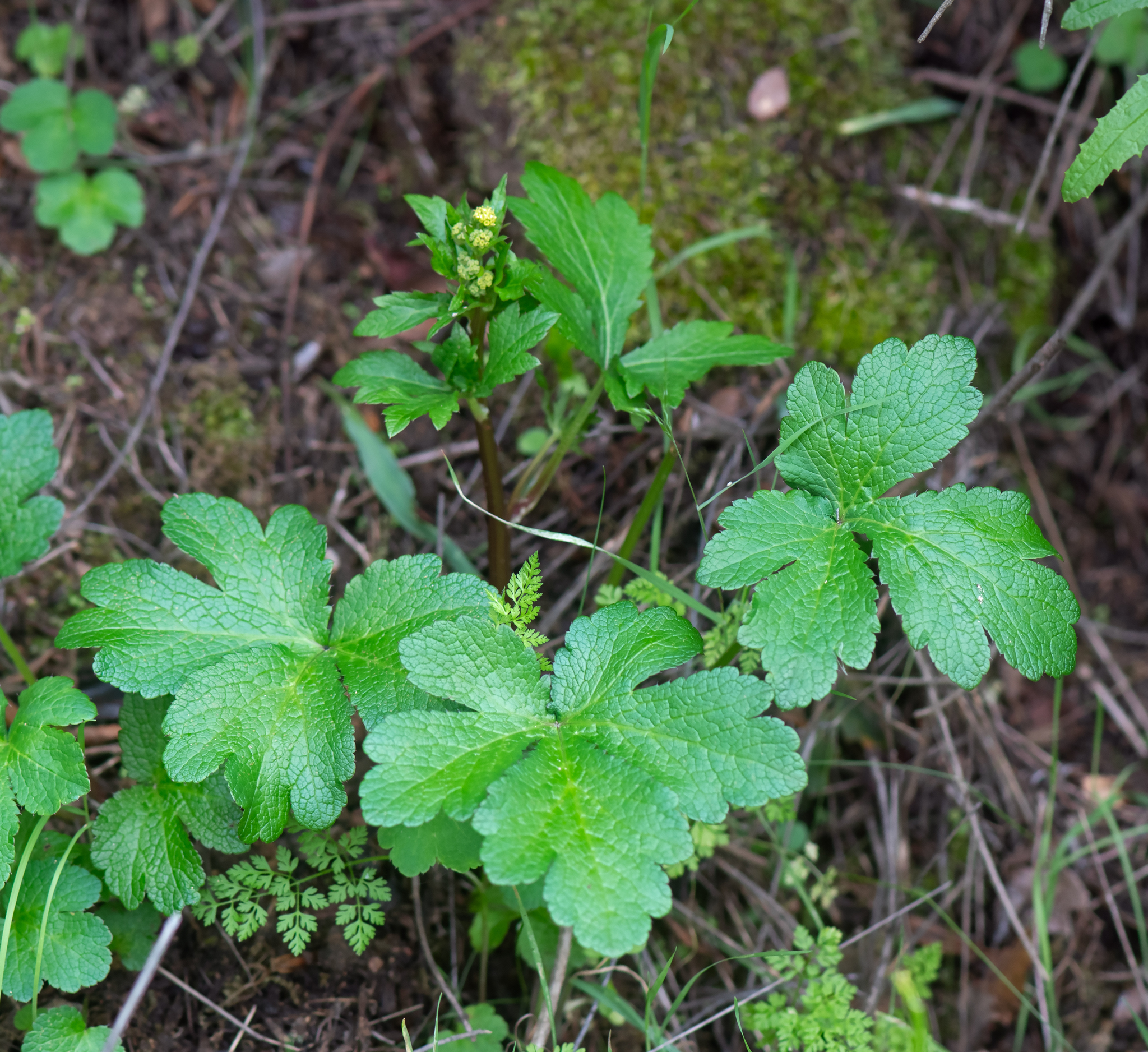
Photo by @nvhamlett
Pacific Sanicle had never previously been documented in the CHWP. The species name, Sanicula, is the dimnutive of the Latin sanare, “to heal”, and native peoples did use this plant for medicinal purposes, including using a poultice of the leaves to treat rattlesnake bites and other wounds. The alternative common name “Snakeroot” probably refers to this use.
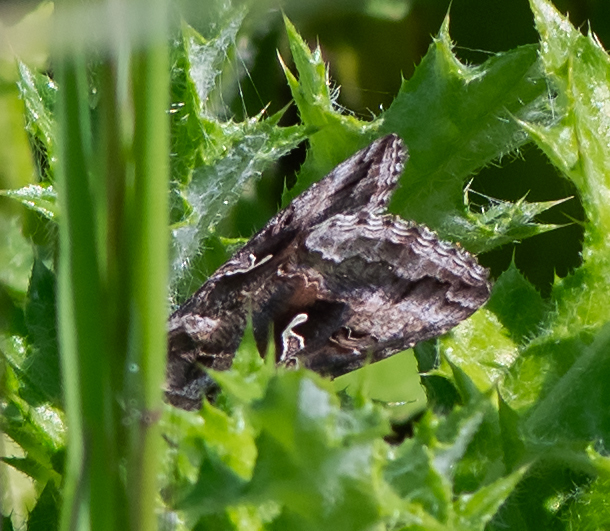
Photo by @nvhamlett
Loopers are so called for the way the caterpillars arch their backs as they crawl along in a looping manor. The caterpillars can cause damage not only to alfalfa, but also peas, sugar beets, beans, mint, and spinach. In most cases, control is needed only where insecticides applied for other pests have reduced natural enemy populations.
If you’re curious, you can see all of the BioBlitz observations here.
These observations are a big help to park managers at the city of Claremont, who use such data to make decisions about endangered species and invasive ones. For those of us fascinated by diversity, seeing these new species is also great fun and great learning.
Many, many thanks to @nvhamlett, @carolblaney, @keirmorse, @kwnaturalist, @alexiam068, @jeremyflores, @mskeschner, @moonlightrunner, @stephnjamie, @csuen, @scottmarnoy, @tonyjeremy4140 for contributing observations and making the BioBlitz a big success!

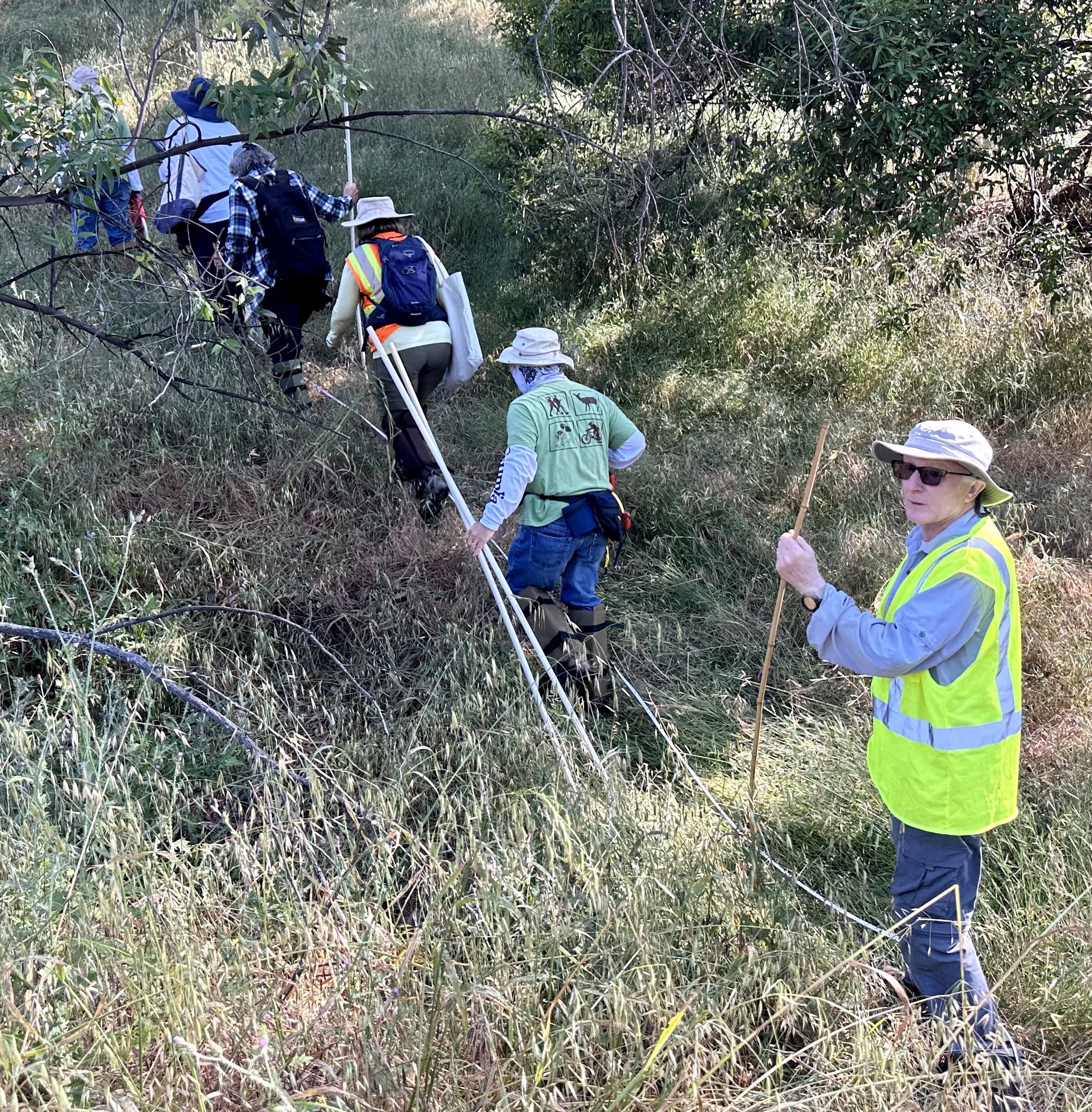
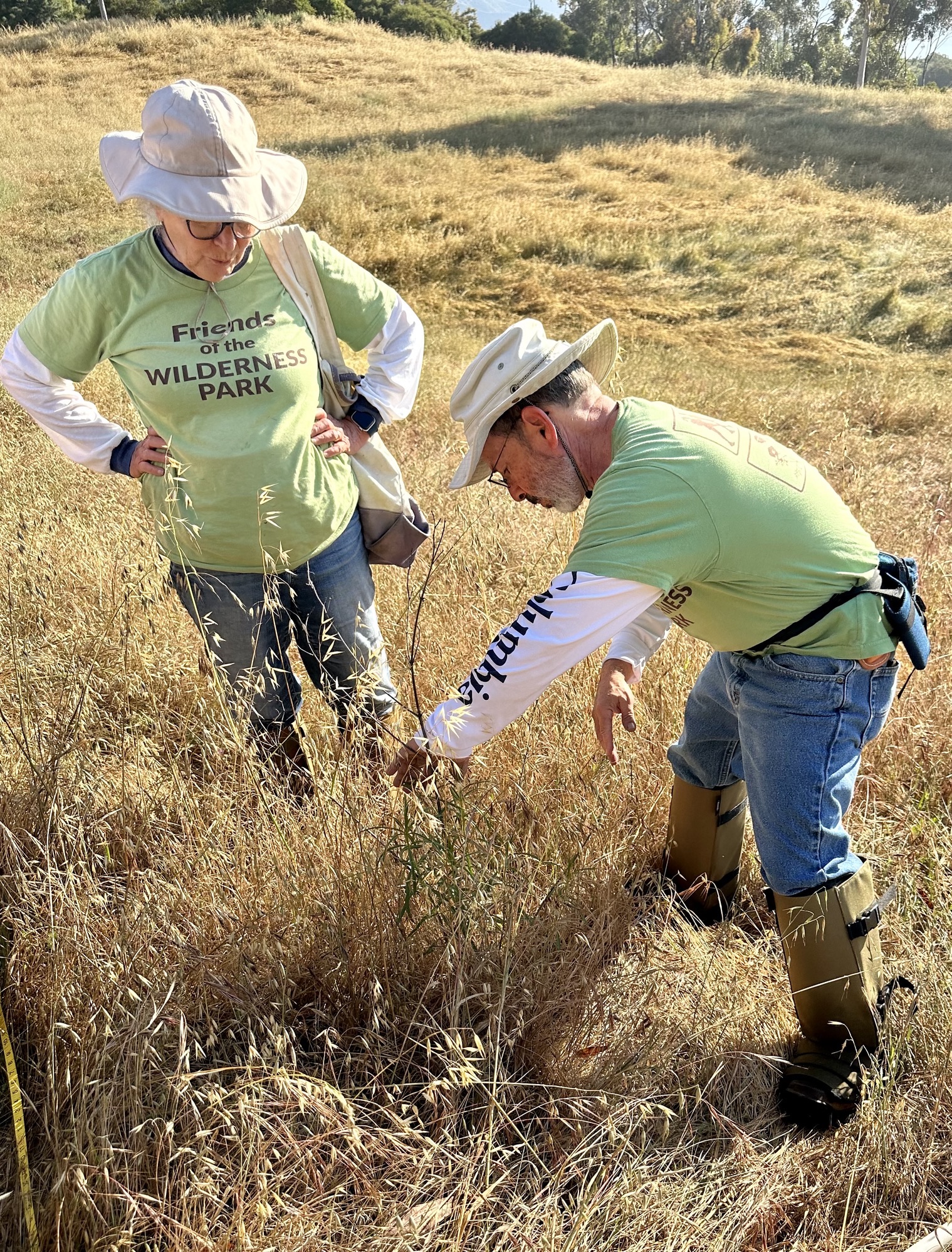
Monarch and milkweed monitoring for the 2023 season is now underway in our monitoring plot in Johnson’s Pasture. After the cold winter, the milkweed is coming up much later this year. While milkweed plants were up and apparent in April, 2022, we did see any milkweed plants this year until the beginning of May, and some of them still aren’t up. Not surprisingly we haven’t seen any Monarch eggs or larvae yet, but we hope we will soon. Last year, we first saw monarch larvae in June.
Here are a few photos from this May. Click on the photos to see the captions.



If you would be interested in helping monitor monarchs and milkweed, please email info@friendsofthewildernesspark.org.

Since 1970, April 22 has been celebrated annually as “Earth Day” – a day to demonstrate support for environmental protection. This year’s theme for Earth Day is “Invest in Our Planet”, and the City of Claremont’s establishment of the Claremont Hills Wilderness Park is a fine example of investing in our planet by protecting the habitat, wildlife, and watershed of our hillsides.
The Friends of the Wilderness Park are celebrating Earth Day in two ways:
Sustainable Claremont is hosting an Earth Day Celebration in Shelton Park (the first in-person Earth Day celebration since 2019), and the Friends will be there! Stop by our booth and learn more about the Wilderness Park, what the Friends do, and how you can be involved in caring for the Park. We look forward to seeing you!
Date: Sunday April 24, 2022
Time: 8:30 AM – 12:30 PM
Where: Shelton Park, Claremont (corner of Bonita Avenue & Harvard Avenue)
Last Saturday, at our Second Saturday event, the Friends gave out Trash Clean-up Kits containing gloves and trash bag with instructions to visit the Wilderness Park or another park and pick up trash and an encouragement to pick up trash every month.
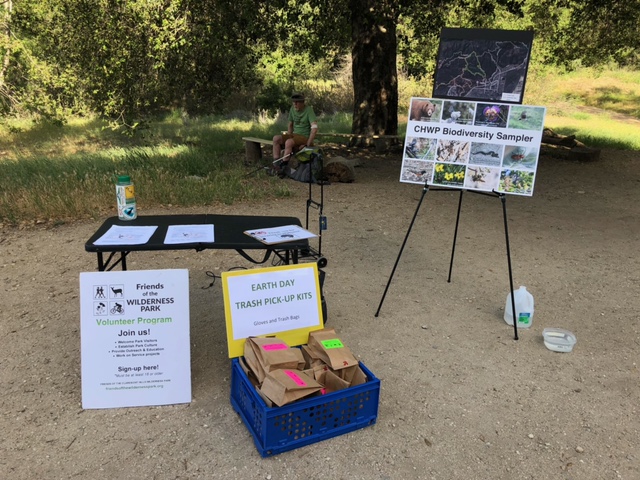
All the kits were gone in 45 minutes. Some Park visitors picked them up for their children, and one pre-school teacher took some for her class. Why don’t we all take a few minutes to pick up some trash?
 Friends of the Claremont Hills Wilderness Park