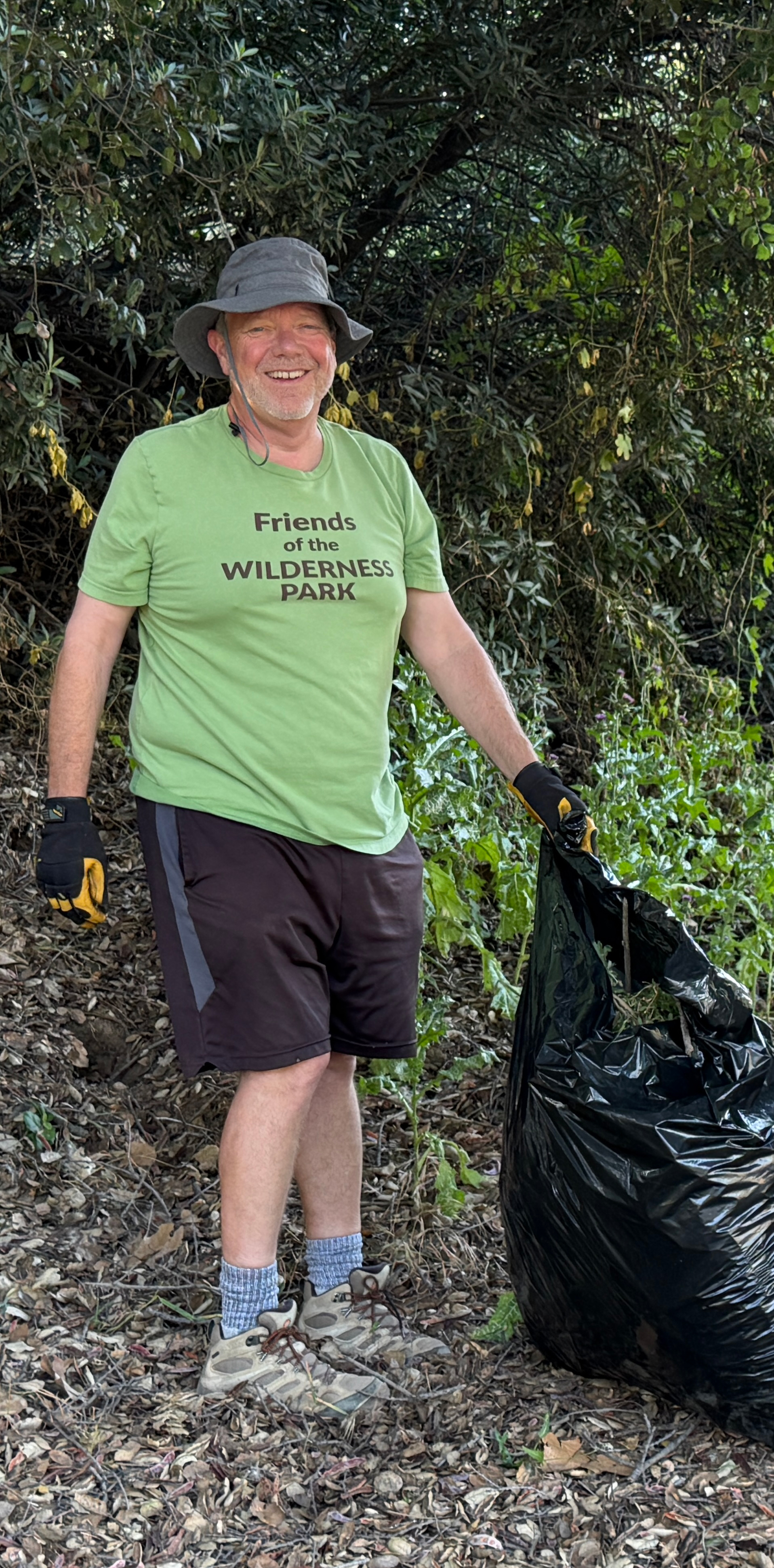
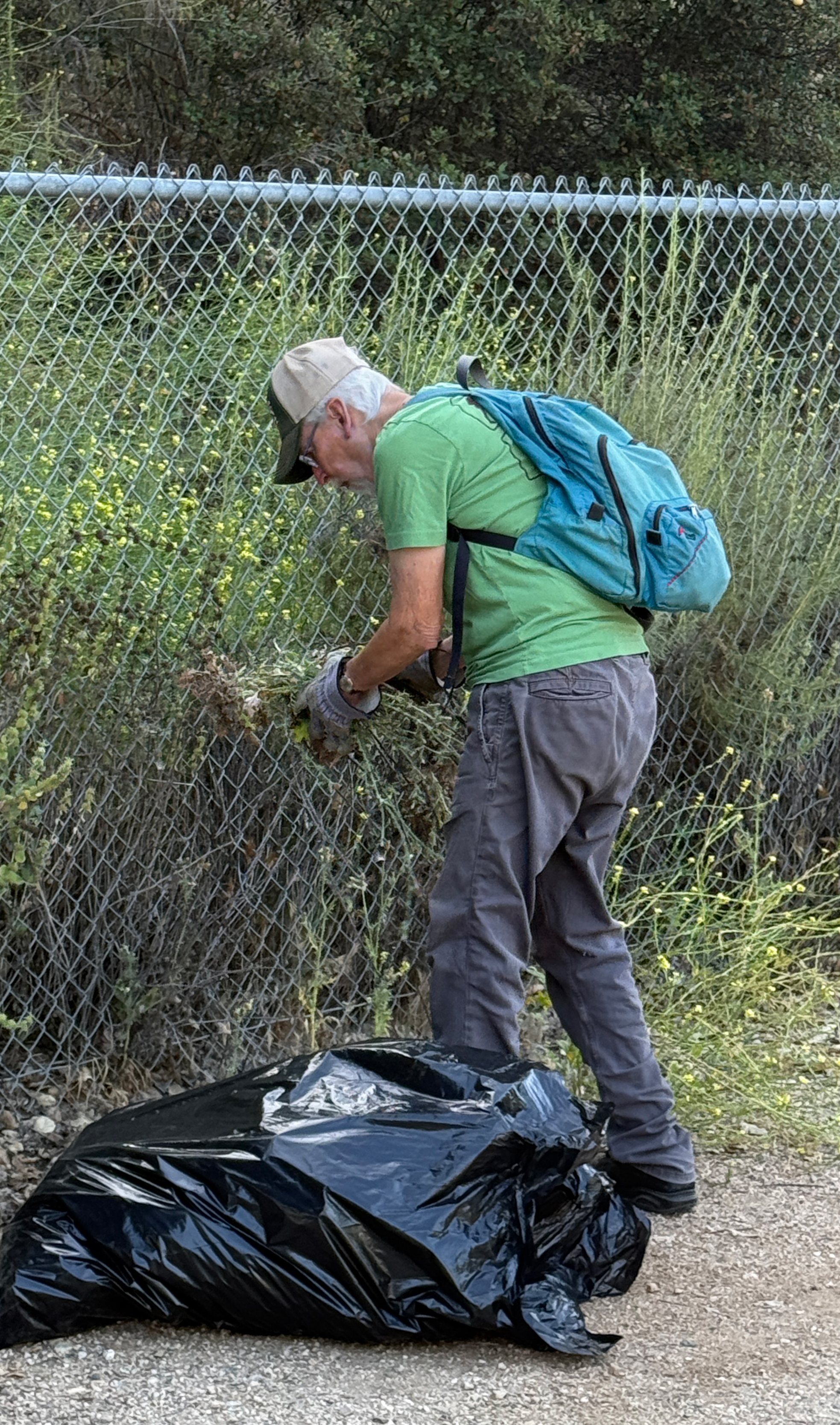
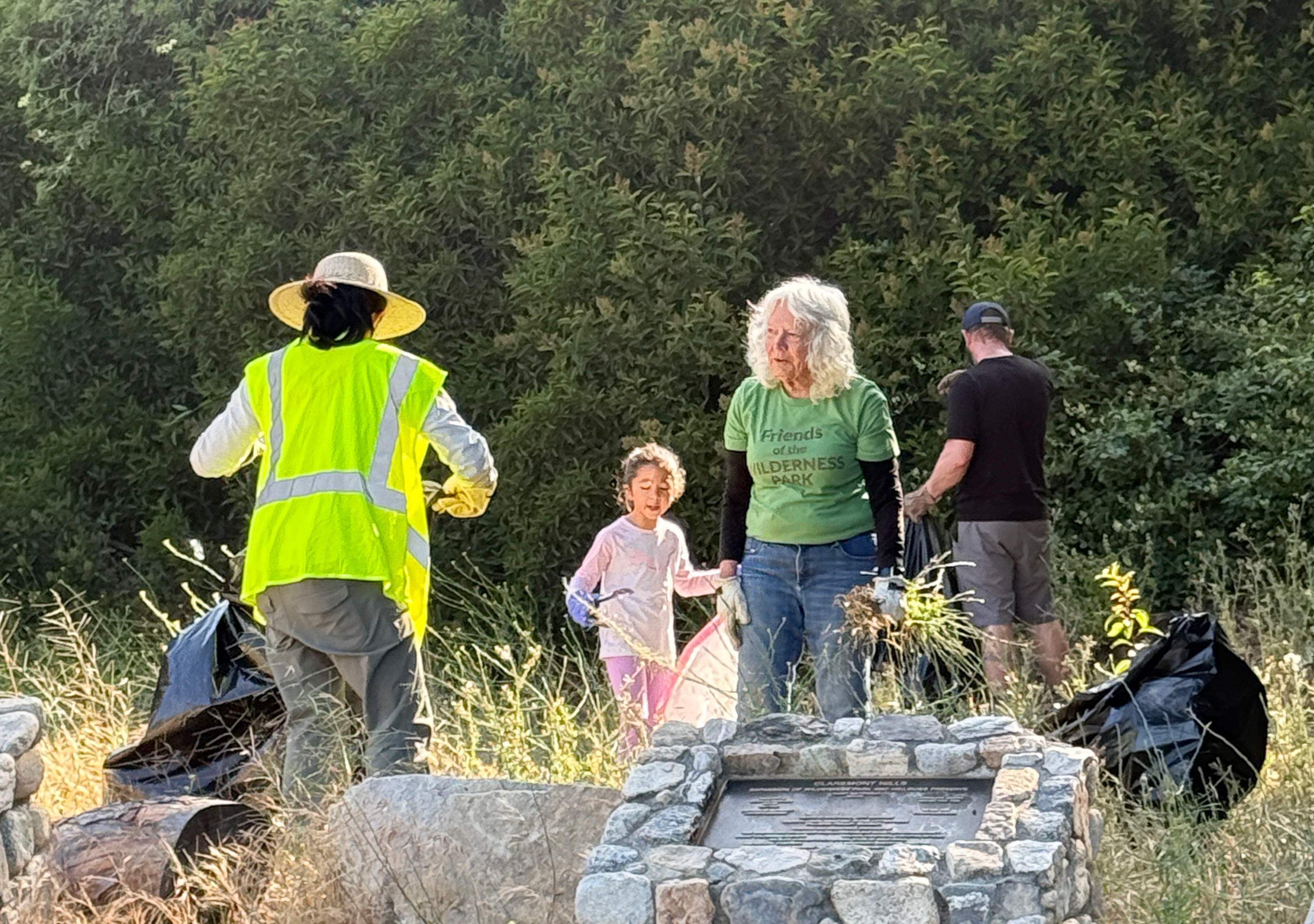
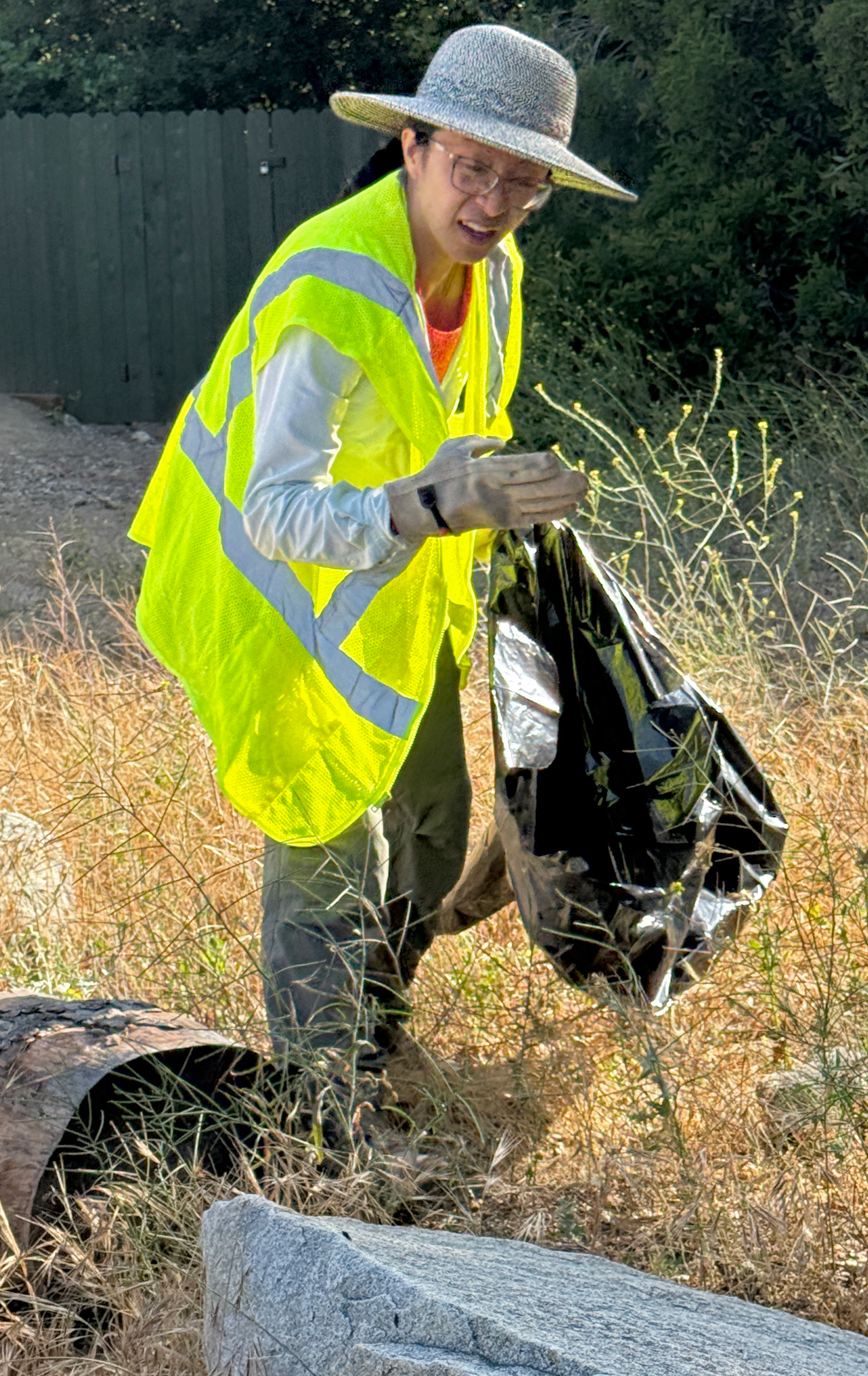
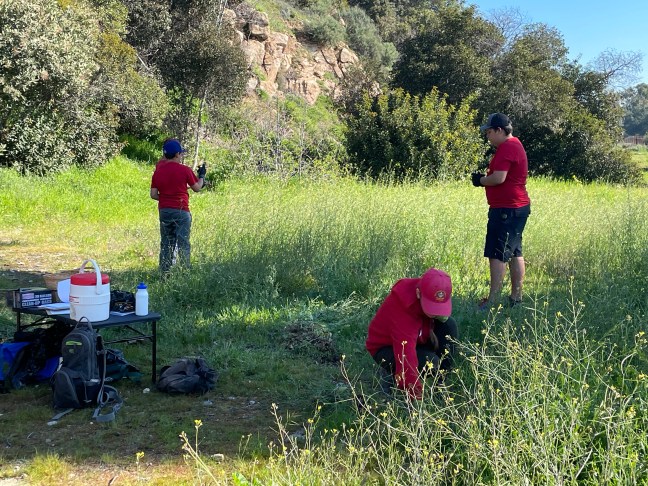
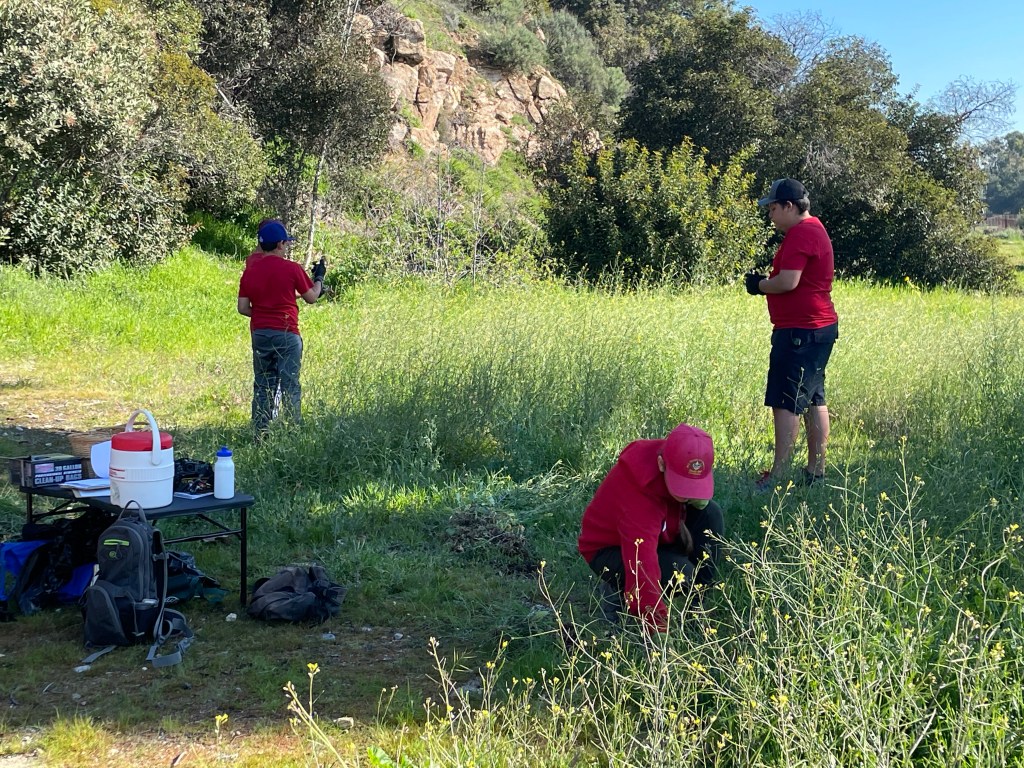
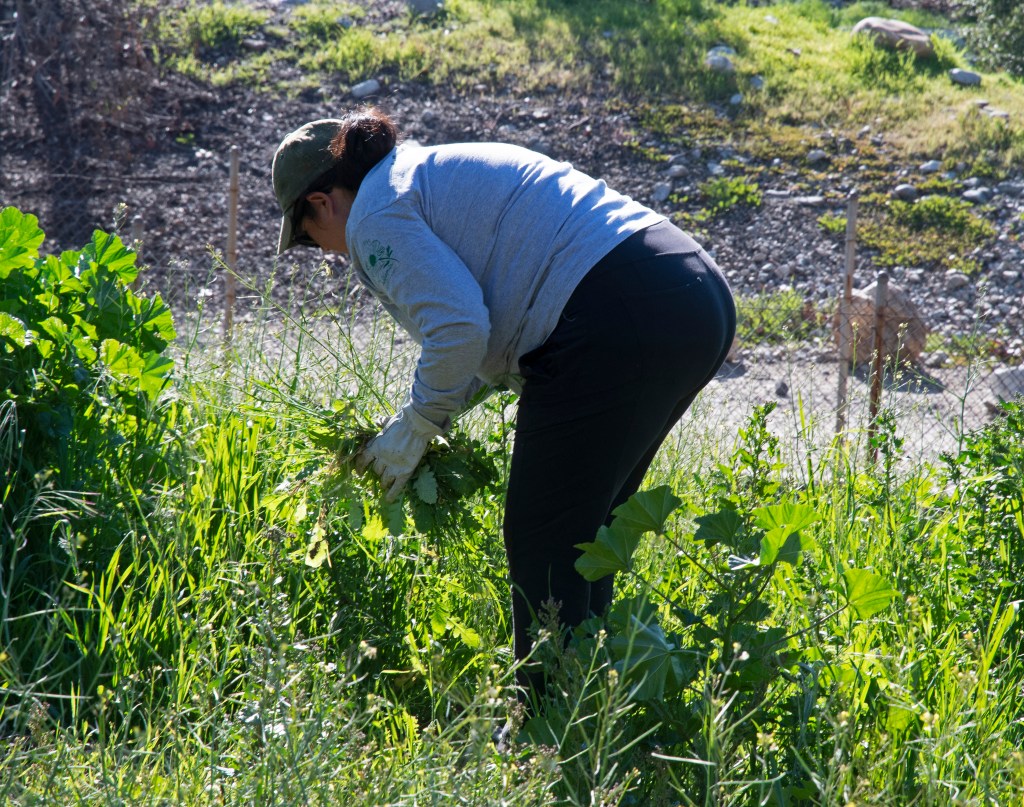
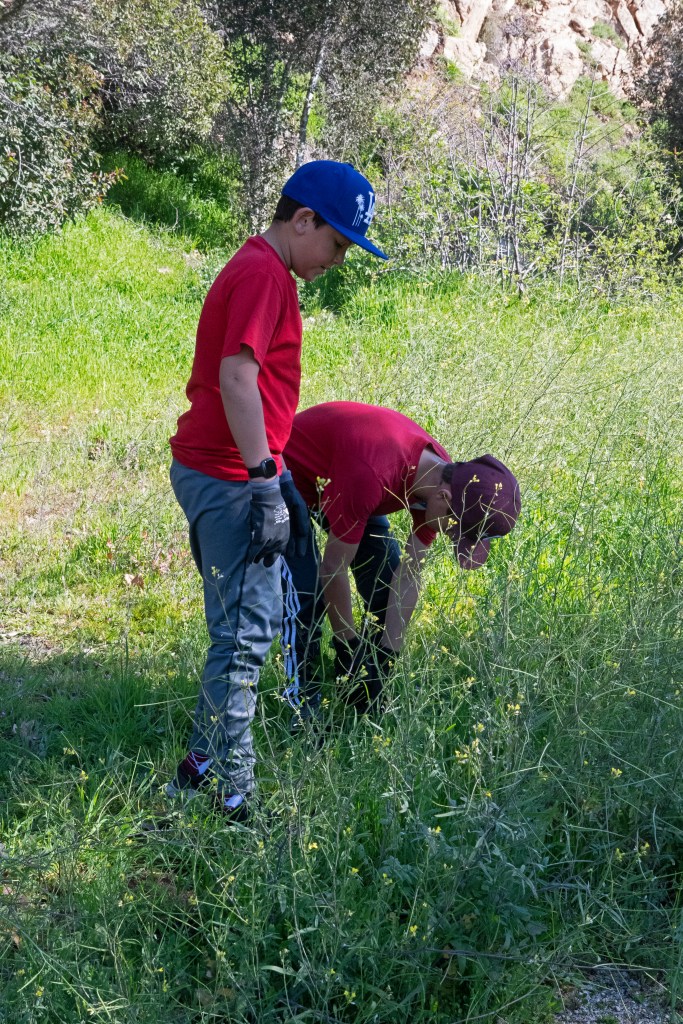
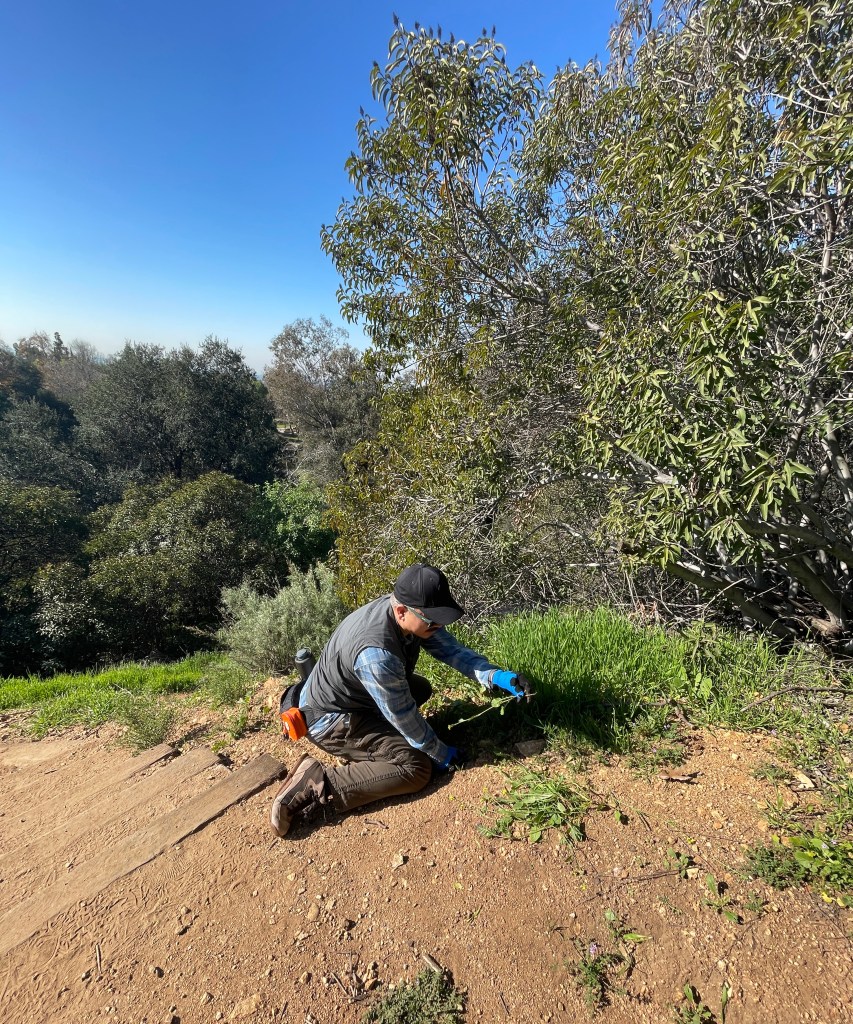
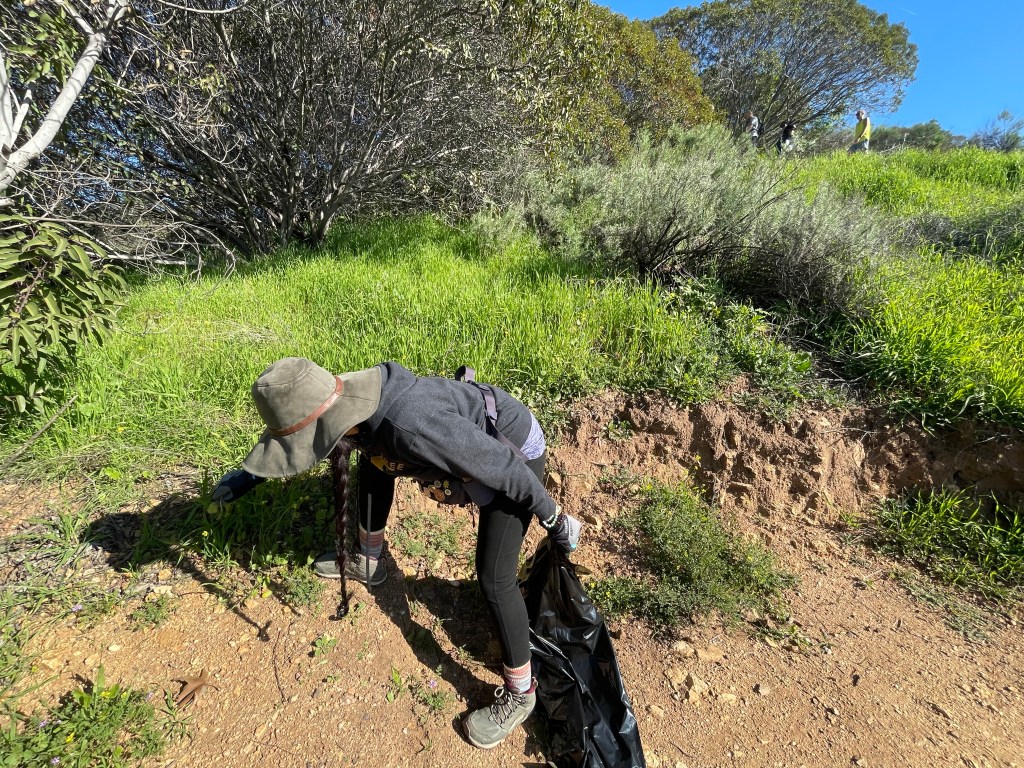
On Saturday, January 31, Friends volunteers removed Saharan Mustard from the Sycamore Canyon Trail.
Sahara Mustard has done horrible damage to the desert east of here, displacing native wildflowers and other native plants as well as creating a fire hazard where none had existed previously. Fortunately, Sahara Mustard has only established a few relatively small infestations in the Wilderness Park, so we have an excellent chance of eradicating this pest.
Two of the infestations are along the Sycamore Canyon Trail – a large one at the bottom of the trail and a small one about one-third of the way up. We first removed Saharan Mustard from these areas in January 2023. We were unable to hold a removal event in 2024, and the Saharan Mustard never came up in 2025, so this was our second removal at Sycamore Canyon.
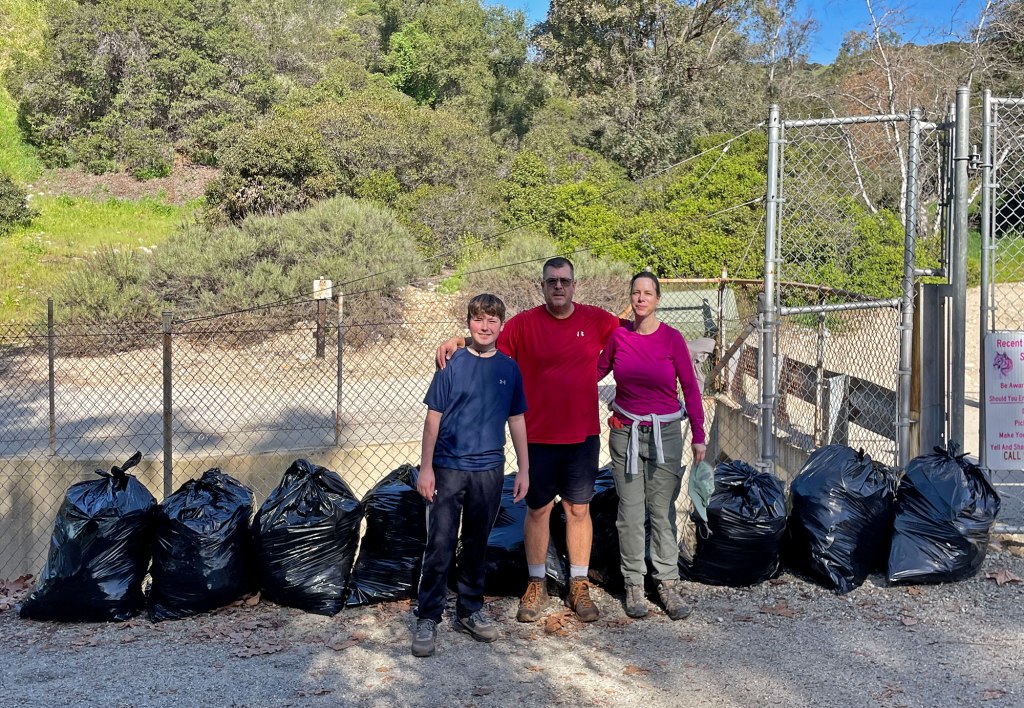
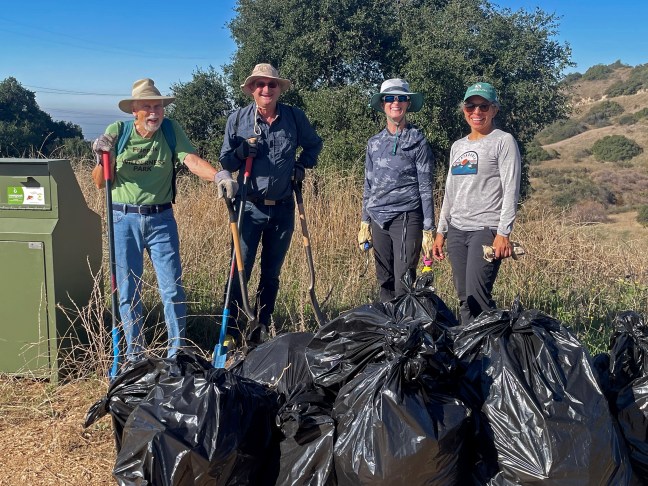
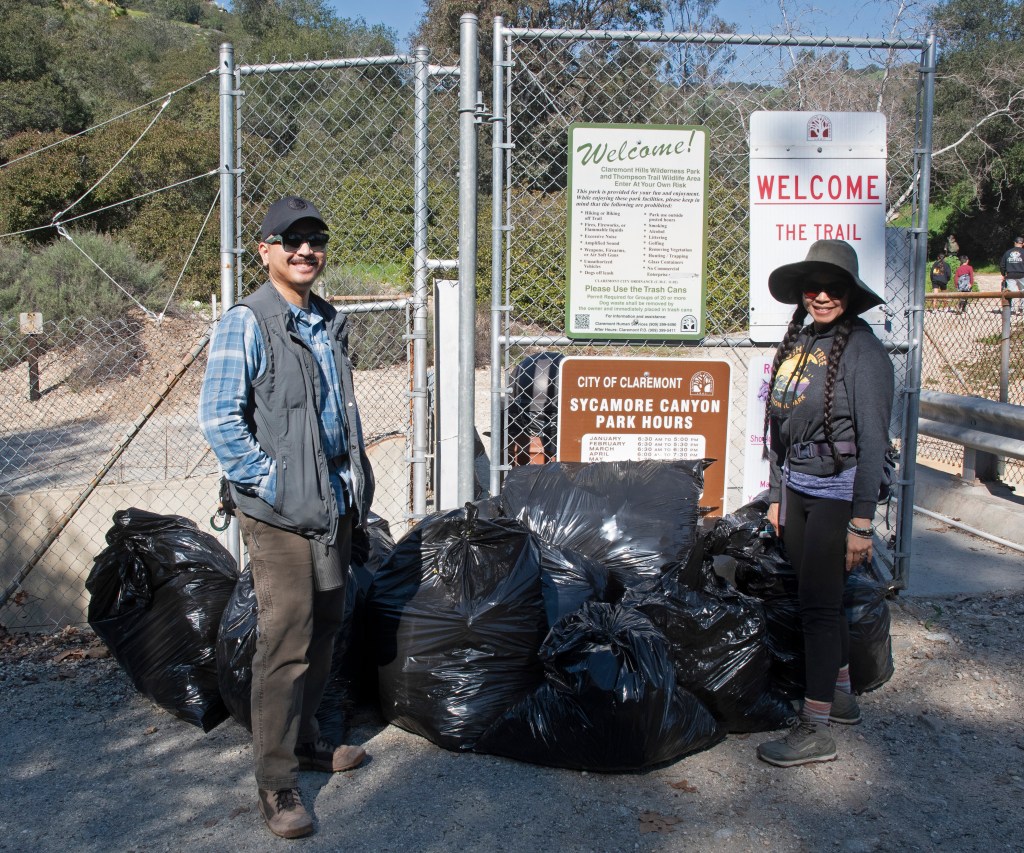
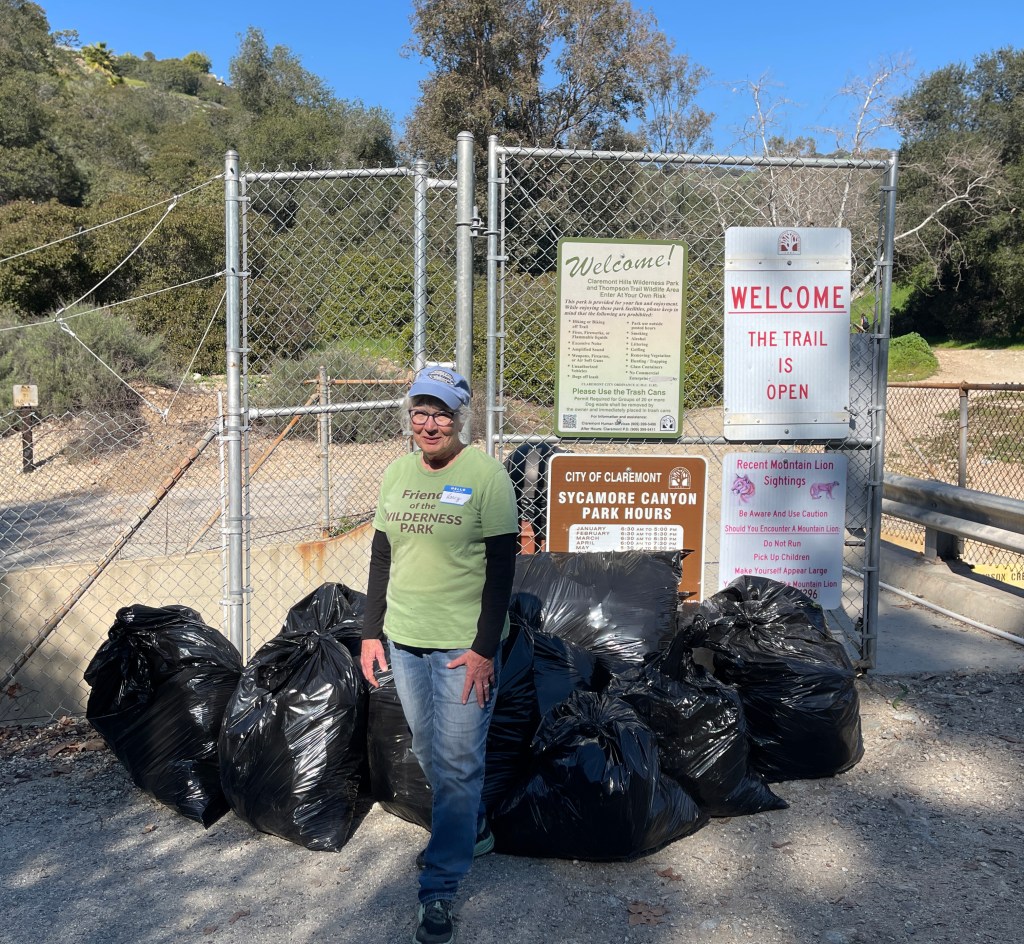
There was less Saharan Mustard than in 2023. We tried to remove all of the mustard in these areas and filled 9 large contractor bags – compared to the 15 contractor bags we collected in 2023. It will take a few years before all the mustard is gone, as a seed bank has already been established, but we’re already seeing progress.
We hope to be having invasive plant removal events about once a month except for the hot part of the summer. If you’d like to get an announcement, just sign up for our email list.
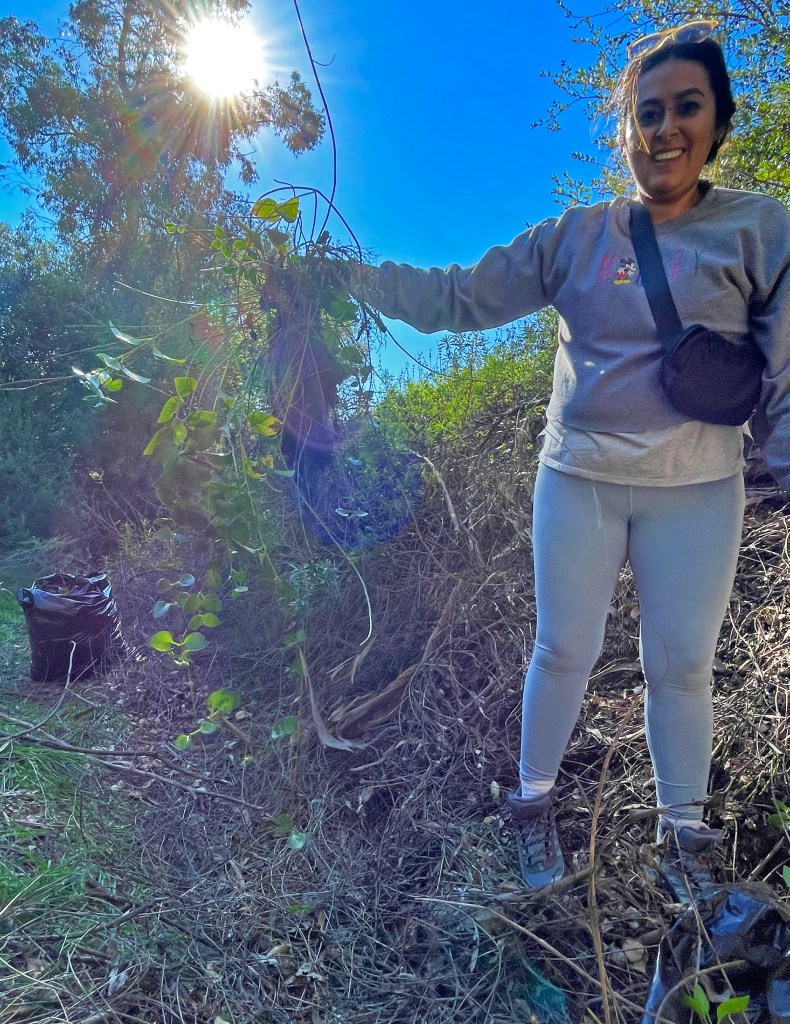
Here are some photos from the mustard removal:
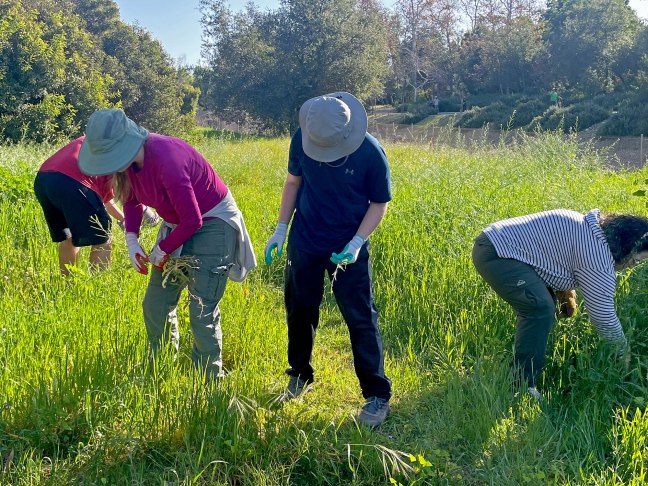
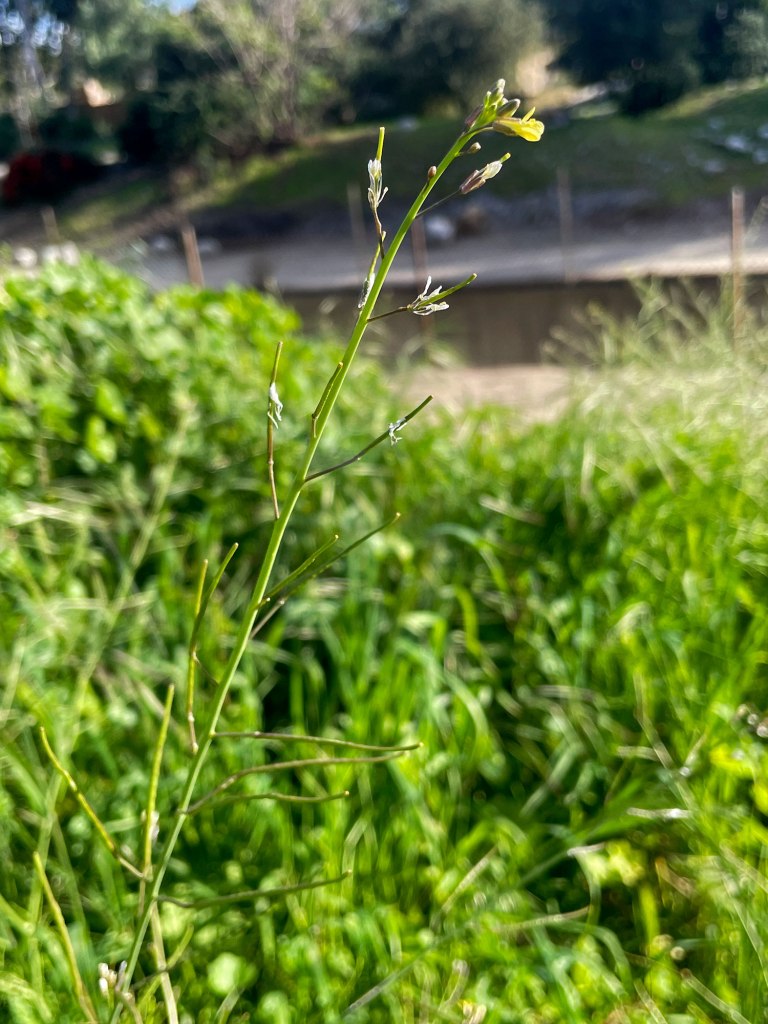
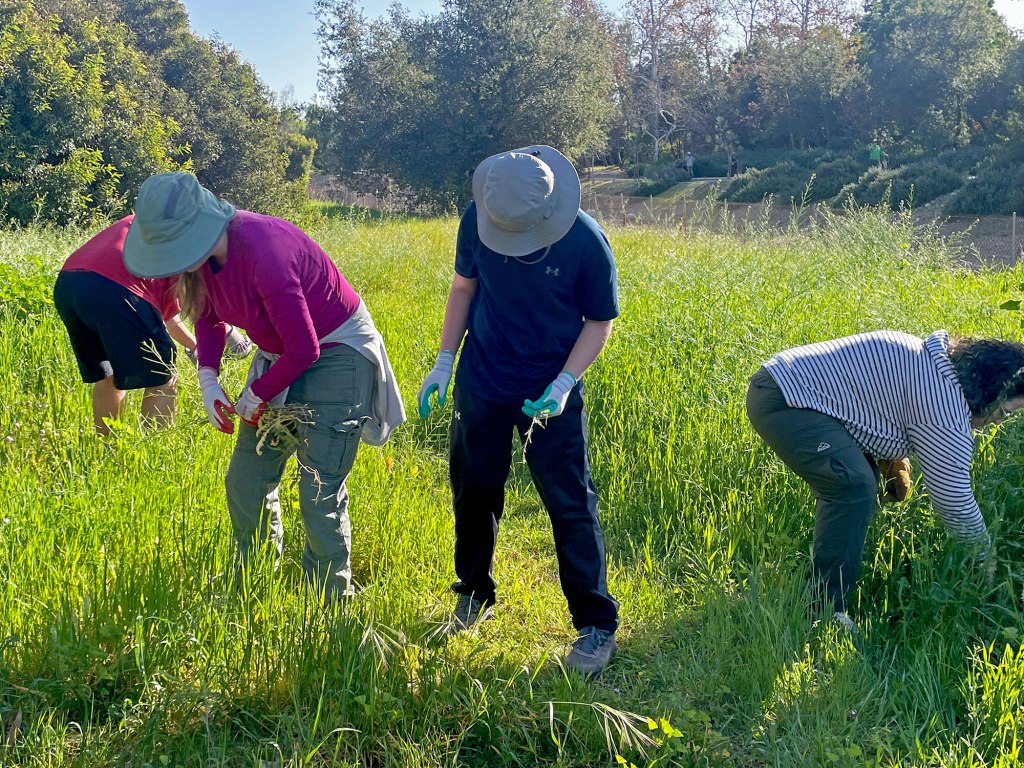
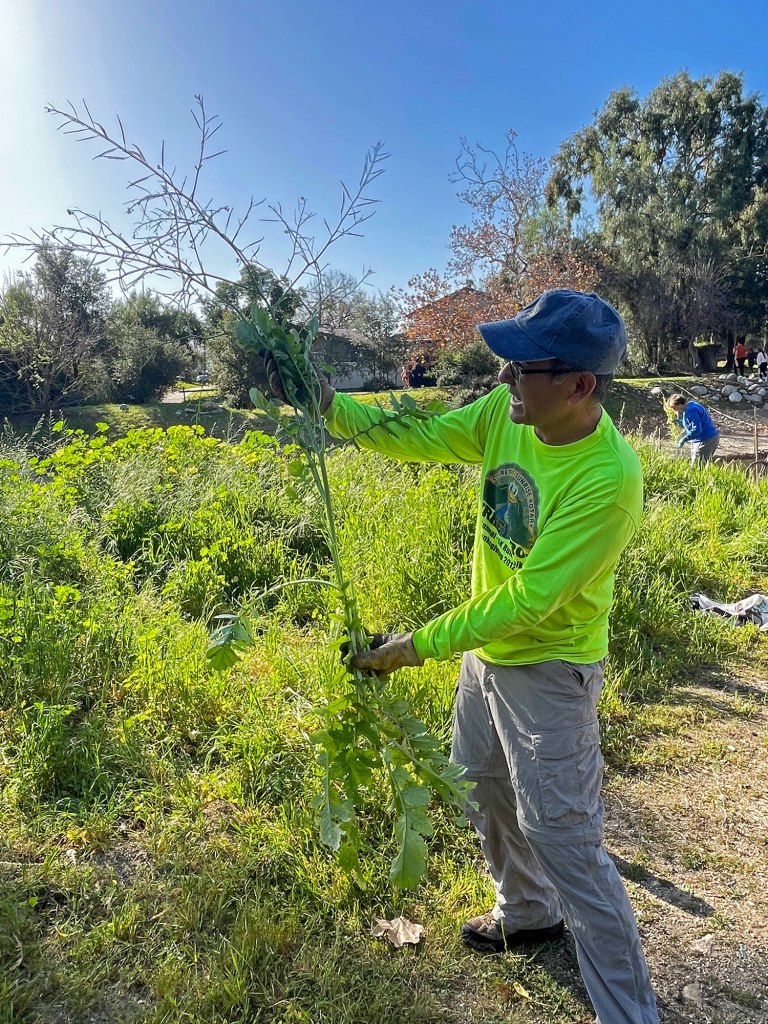
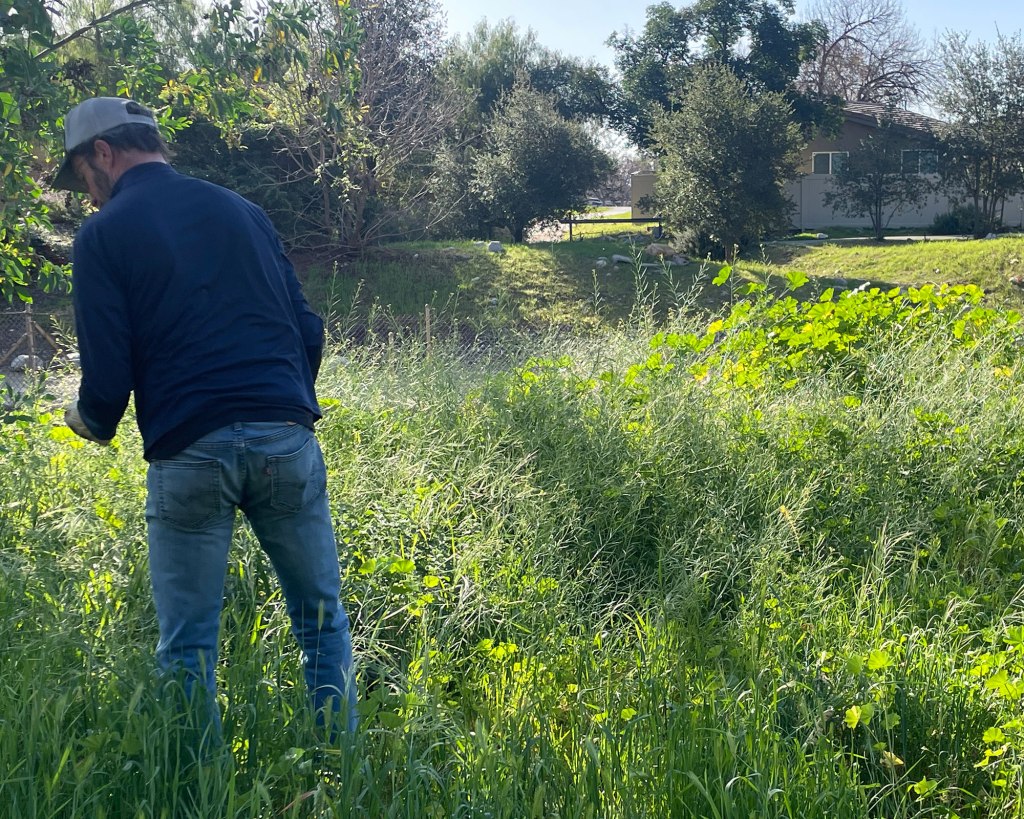
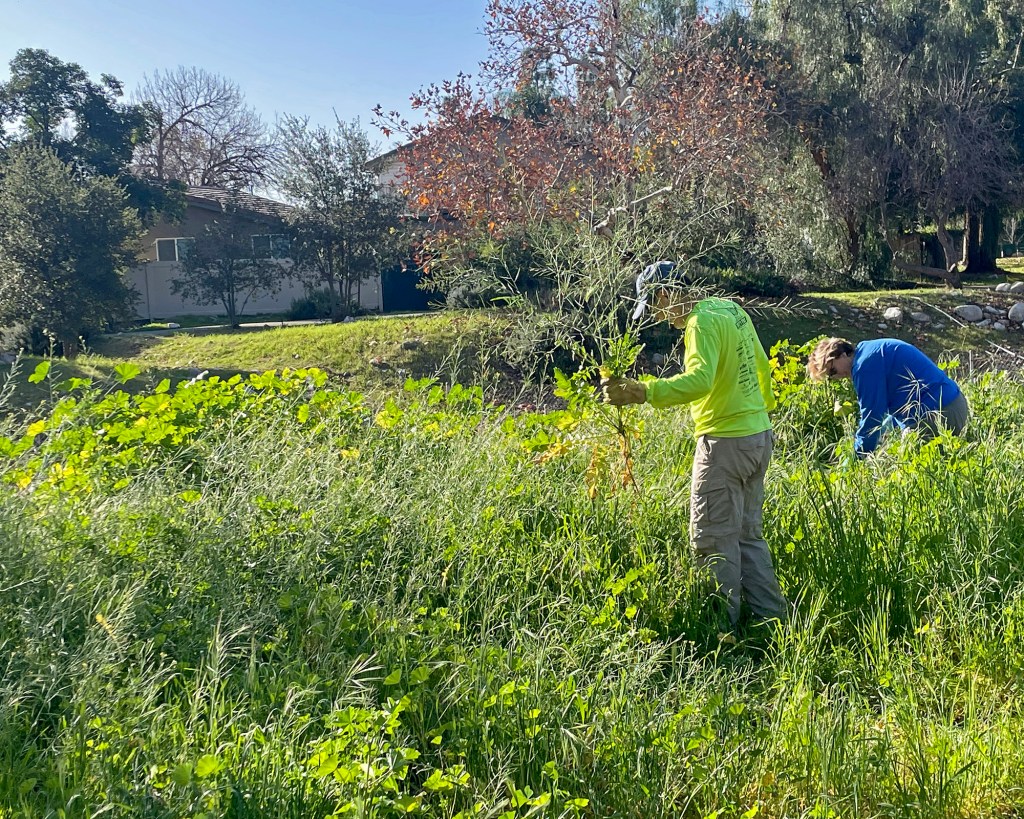
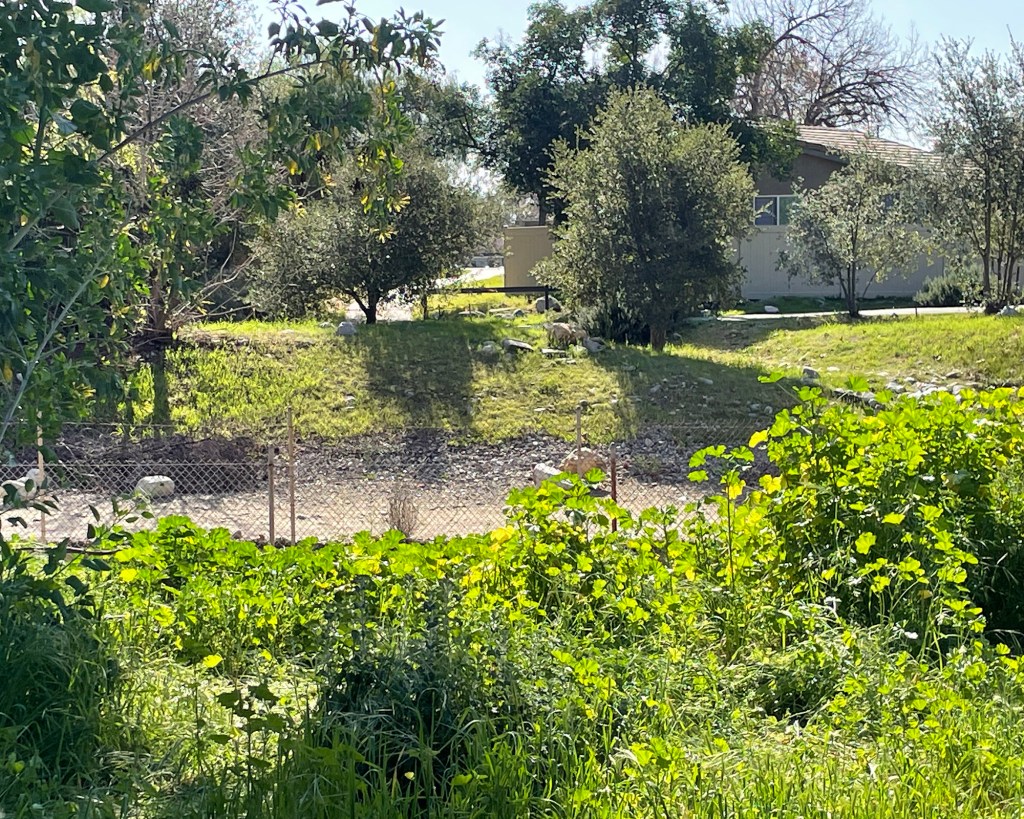
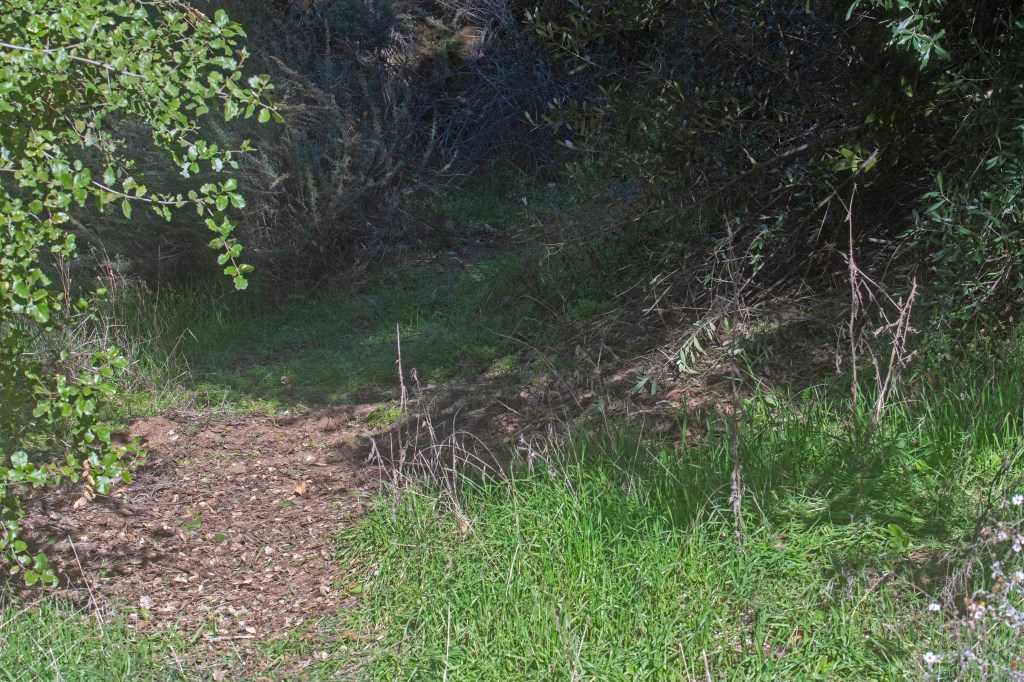
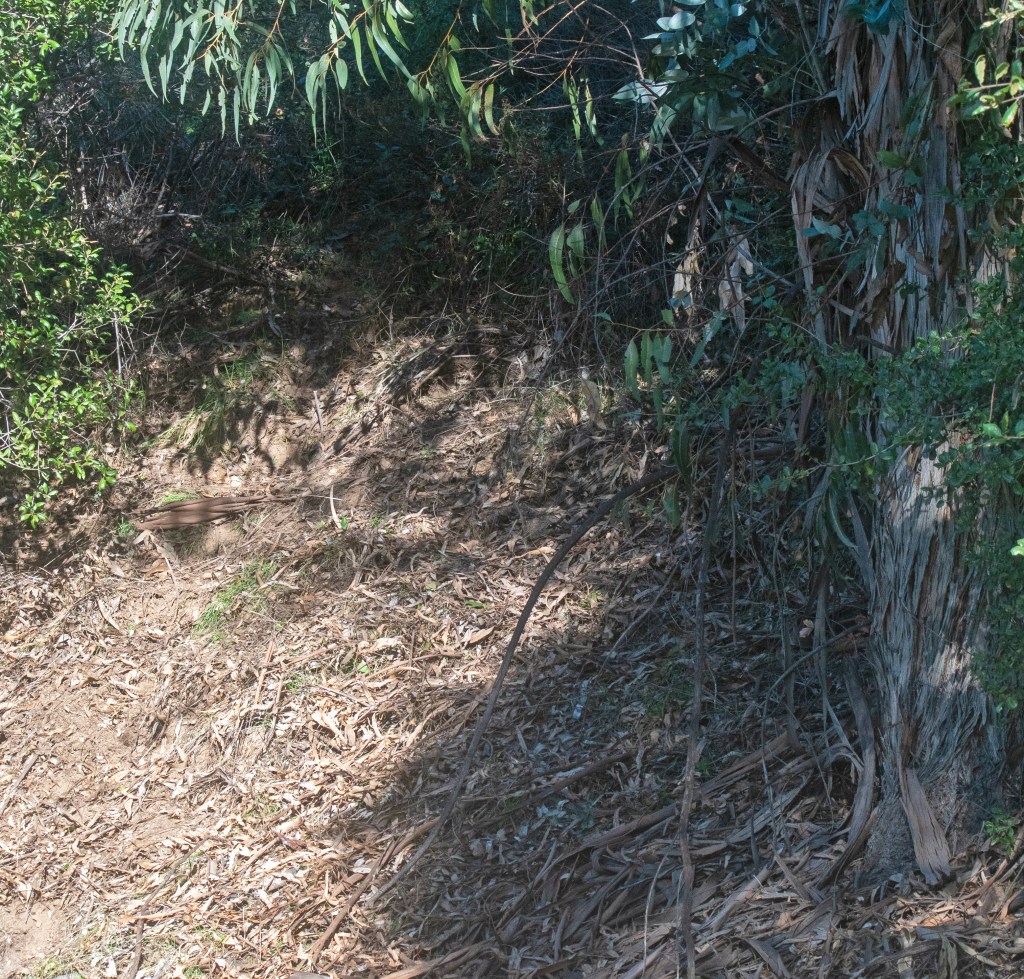
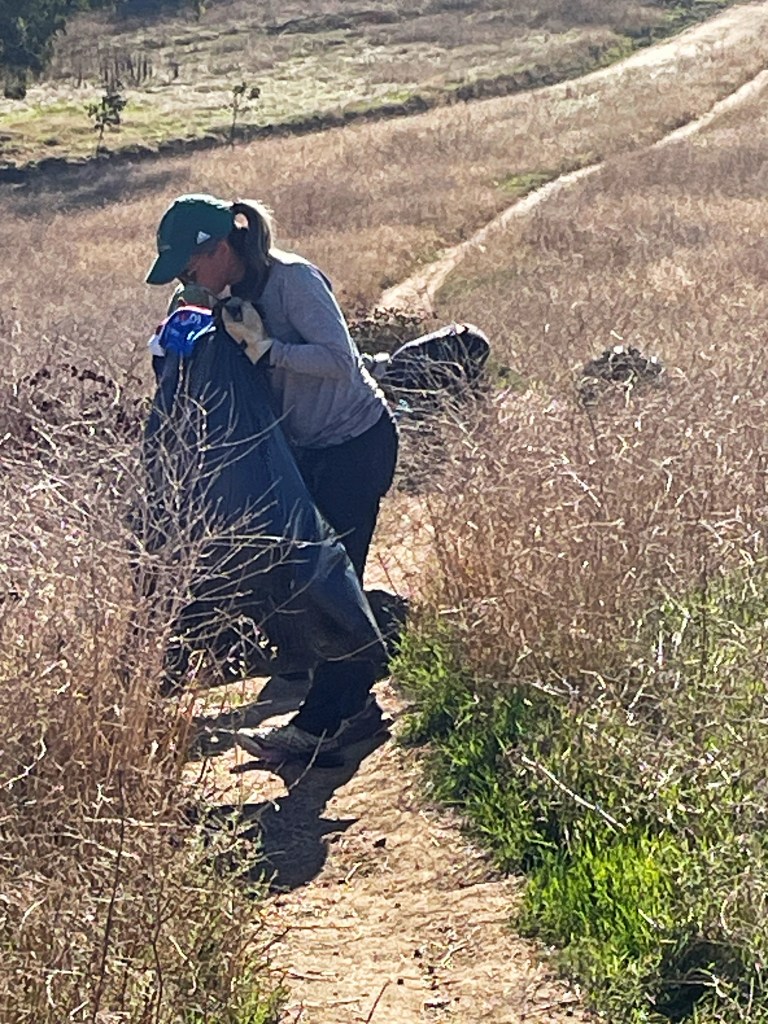
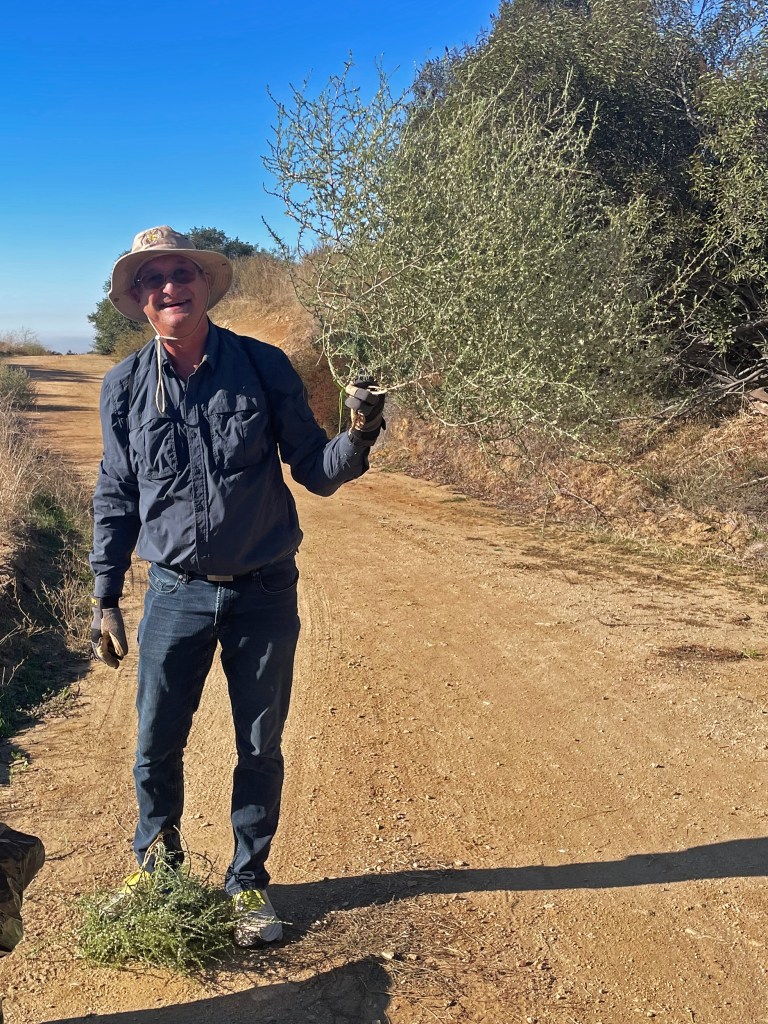
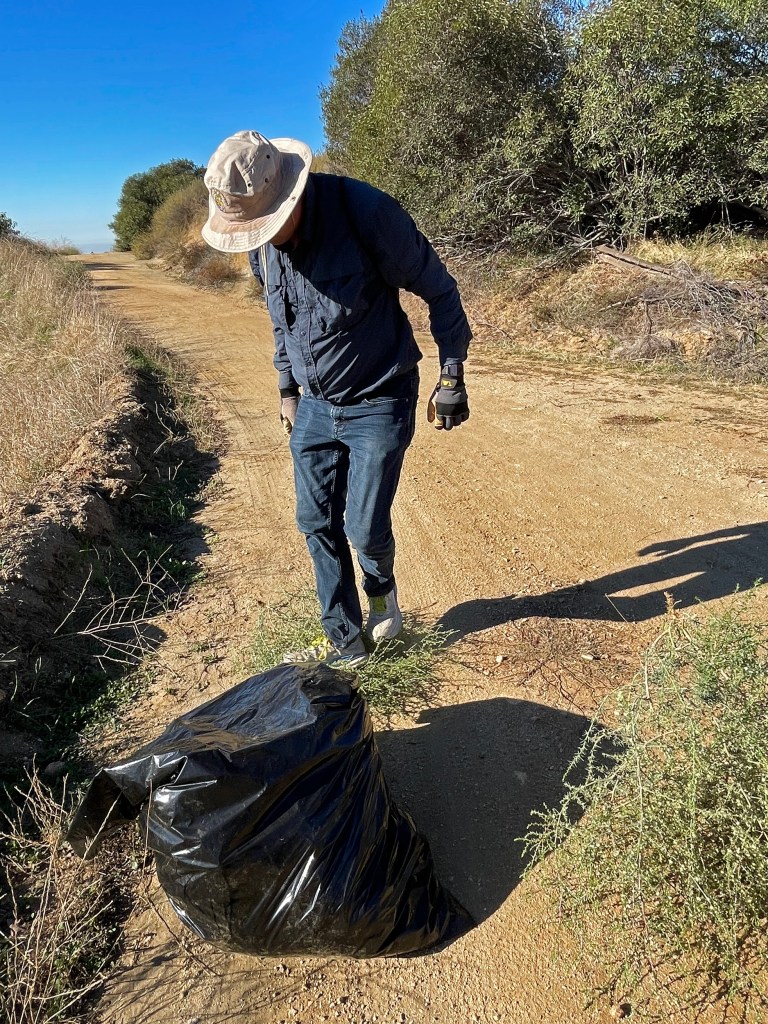
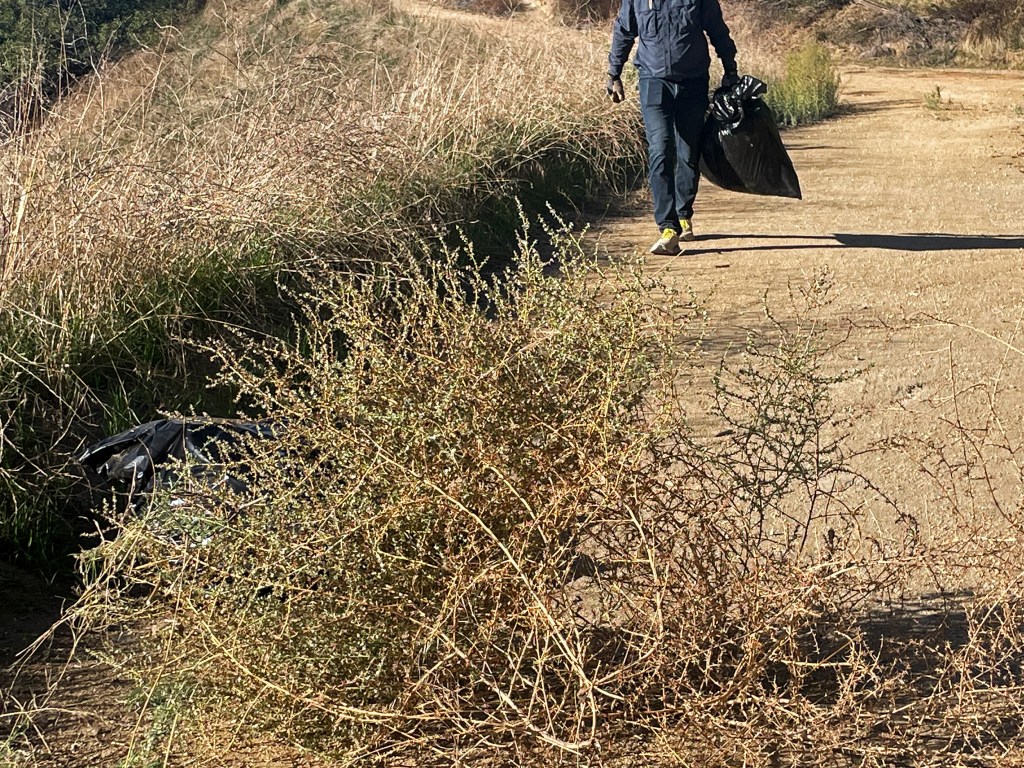
One of the Saharan Mustard plants.Kris, Pauline, Calvin, and Jenna hard at work.Catch of the Day! Jeff with a giant-sized Saharan Mustartd plant.Calvin, Kris, and Pauline with the bags of uprooted mustard.Hugh wading in to tackle the mustard.Jeff and Lori starting to work on the mustard.The above area afterwards. Still weeds – but no Saharan Mustard.The above area afterwards. Still weeds – but no Saharan Mustard.
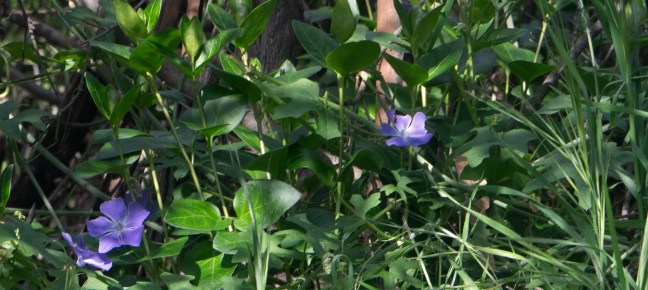
On Saturday, December 6, a dedicated crew set out to vanquish what we thought was a small infestation of Vinca major (Big Periwinkle) next to the Cobal Canyon Trail.
Vinca major (Big Periwinkle) growing next to the Cobal Canyon Trail.
Big Periwinkle is native to central Europe and the Mediterranean region. It was introduced to the United States in the 1700s as an ornamental and for medicinal uses. With its dark glossy green leaves and showy purple flowers, Big Periwinkle has become a popular ornamental ground cover, but when plants escape to the wild and find favorable conditions, they can spread invasively, forming a dense ground cover that outcompetes native vegetation. It grows best in moist, shady conditions, such as riparian corridors. Such infestations along streams can easily spread, as small pieces of stem can break off, float downstream, and sprout roots when they land to start a new infestation.
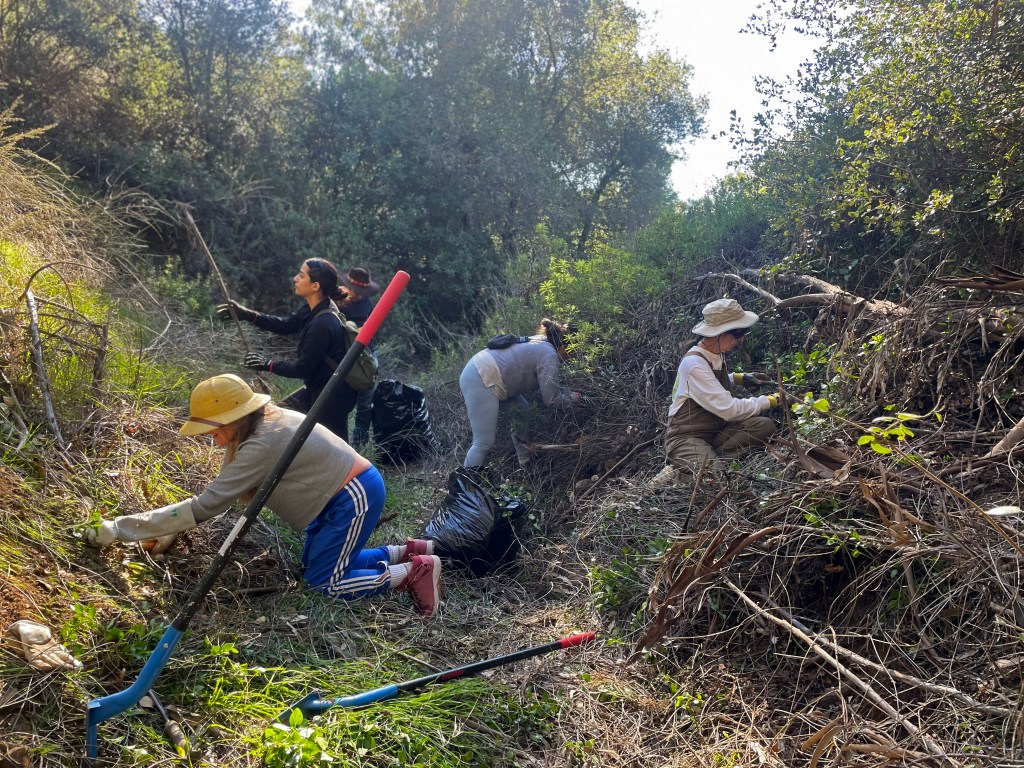
On Saturday, the volunteers set to work, but as we tackled the infestation, we realized it went farther upstream than we had known, as it couldn’t be seen from the trail. It became clear that the upstream plants were older and much more massive root systems than the plants at the downstream end.
Volunteers hard at work on Periwinkle removal.Paul tracks down Periwinkle underneath shrubs.Claudia pulls Periwinkle off the slopeA thick patch of periwinkle upstream from the known infestation.Yikes! The older plants had really big roots!The crew – Johan, George, Dalia, Madeline, Paul, Cass, and Claudia (+ Heidi and Terri, not pictured) with their eight big bags of periwinkle.
Nonetheless, we removed all the Periwinkle from the originally targeted areas and some of the more upstream infestation. Here are some before and after photos:
The southernmost Periwinkle patch before removal.What we thought was the main Periwinkle patch before removal.The southernmost Periwinkle patch after removal.What we thought was the main Periwinkle patch after removal.
Many thanks to all the hard-working volunteers! Stay tuned for another workday to tackle the rest of the Periwinkle!
The weed workers – Dick, Peter, Lea, and Kathy – with 10 big bags of thistles!
On Saturday, November 1, a group of hard-working weed warriors removed invasive Russian Thistles in Johnson’s Pasture from the sides of Johnson’s Pasture Road, Webb Canyon Road, and a social trail that links the two.
Russian Thistles, which actually aren’t thistles, can be any of several species in the genus Salsola. So far as we know, the ones in Johnson’s Pasture are all Salsola australis, which, as you might guess from the name, came from Australia, not Russia – so they’re neither Russian nor thistles. To be fair, the first Russian Thistles to reach the US were Salsola tragus, which was inadventently introduced into South Dakota around 1874 in flax seed from Russia. And the name Russian Thistle stuck and was applied to all the similar Salsola species.
Starting in late fall Russian Thistles dry out and die, their seeds nestled between prickly dried leaves. Gusts of wind easily break dead them off from their roots. A microscopic layer of cells at the base of the plant — called the abscission layer — makes a clean break possible, and the plants roll away as tumbleweeds, spreading their seeds.
When the rains come, Russian thistle seed germinates very rapidly. Each seed contains a fully formed embryo coiled up inside that uncoils as it germinates. The young taproot extends into the soil within about 12 hours. During this rapid germination period, Russian thistle has an advantage over many other plants under limited moisture conditions. A minimum amount of moisture, lasting only a few hours, will allow germination and root growth to deeper, subsurface moisture.
Large Russian Thistle tumbleweeds can reduce roadway safety by obstructing views along rights-of-ways and causing drivers to swerve their cars to avoid colliding with them. Tumbleweeds accumulating against fences, houses, or natural barriers also pose a fire hazard, and ignited balls of burning Russian thistle blowing through grasslands can spread fire. In the cities of Palmdale and Lancaster, tumbleweeds are such a big problem that Los Angeles County spends $100,000 to $150,000 yearly clearing them.
Fortunately, the Russian Thistle problem is not that big in the Wilderness Park, but we have clearly noticed their numbers increasing, so it’s good to attack them before the situation is dire.
The crew did an outstanding job today, but there’s more of the Park to attack, so we hope you’ll think about joining us for another Russian Thistle removal outing!
Enjoy some photos:
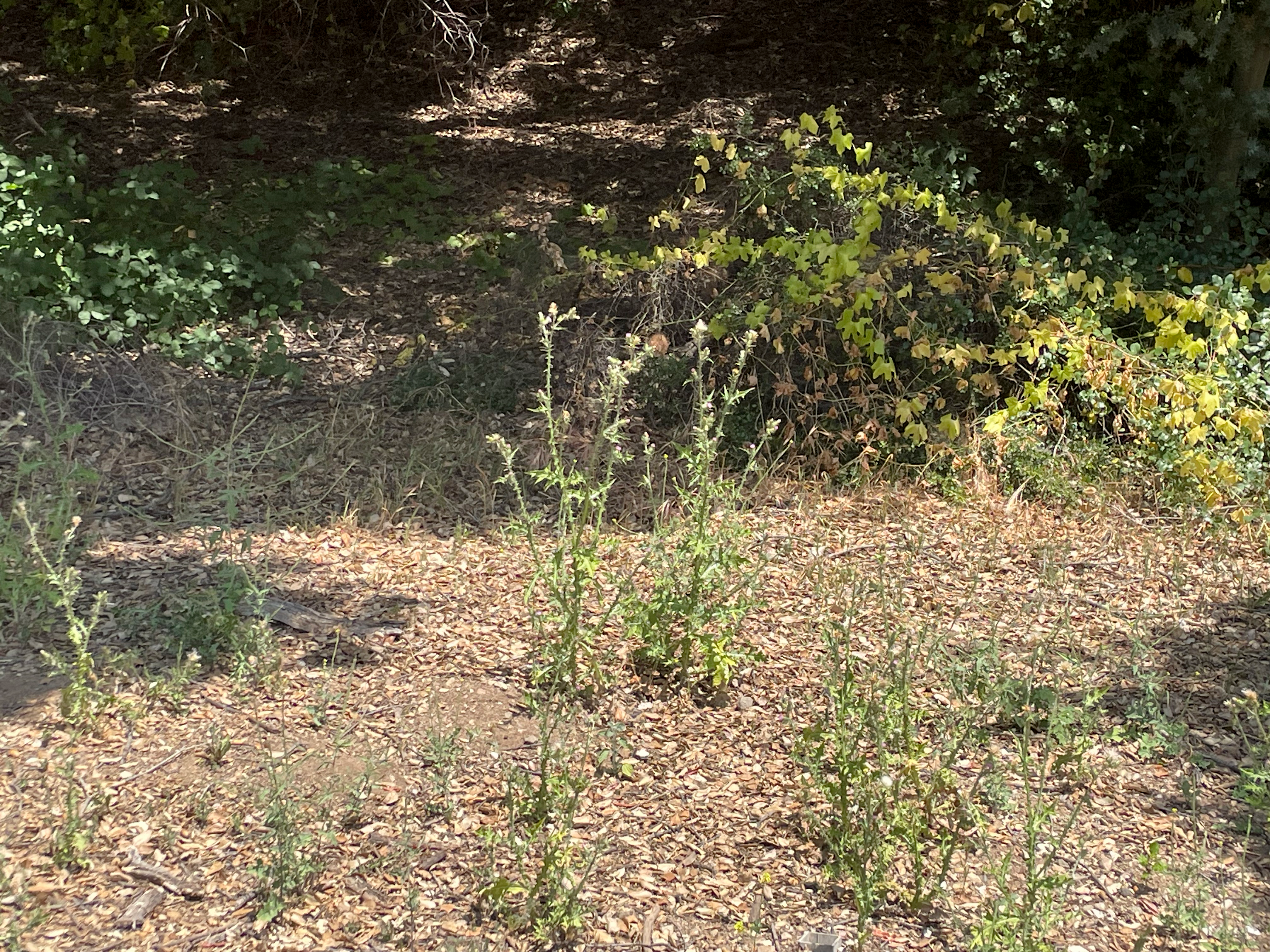
Close-up of stem, flowers and fruit, and prickly leaves of a Russian thistle.Kathy and the other weed workers removing thistles from the social trail that connects Johnson Pasture Road to Webb Canyon Road.Peter with a big Russian Thistle.Peter stomps down a Russian Thistle so it will fit in the bag.This might have been the biggest of all!
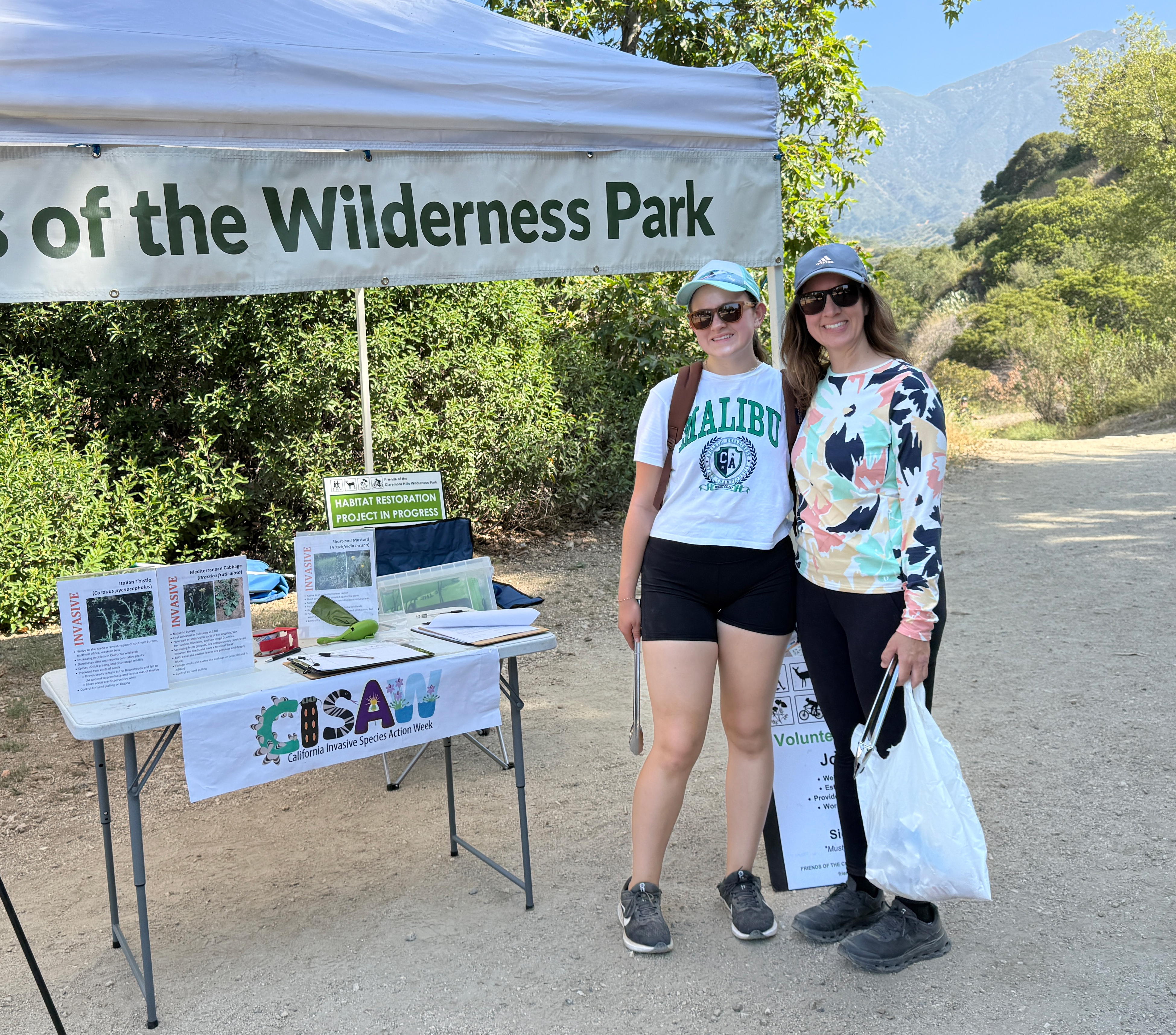
This year Saturday, June 7 – Sunday, June 15 was California Invasive Species Action Week, a statewide, week-long event created to increase public awareness of invasive species in our state and to promote public participation year round in invasive species management.
For our June 14 Second Saturday event, we removed invasive mustard – including Short-pod Mustard (Hirschfeldia incana), Mediterranean Cabbage (Brassica fruticulosa), Oriental Mustard (Sisymbrium orientale), and Hedge Mustard (Sisymbrium officinale) – and Italian Thistles (Carduus pycnocephalus) from areas near the Park entrance that are being revegetated with native plants.
Some volunteers also did our usual trash pickup and greeted visitors at our booth.
Here are some photos of volunteers at work:
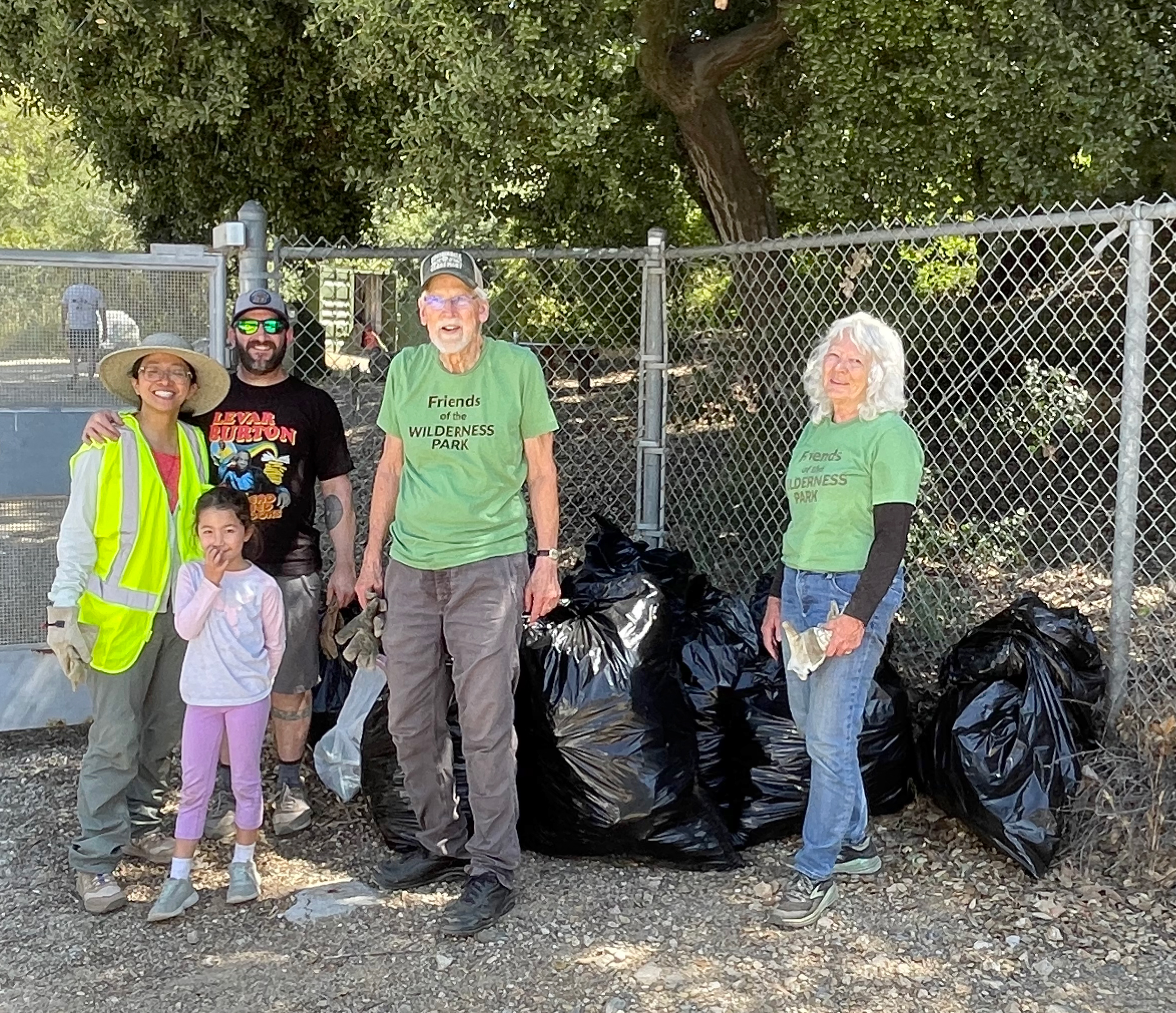
Weed workers getting ready.Charlie with a bag of thistles.Richard removing mustard along the fence.Mustard pulling in progress.Jessica pulling mustardTrash collectors Noelle and Tracy with our CISAW displayLook at that! Eleven huge bags of mustard and thistles!
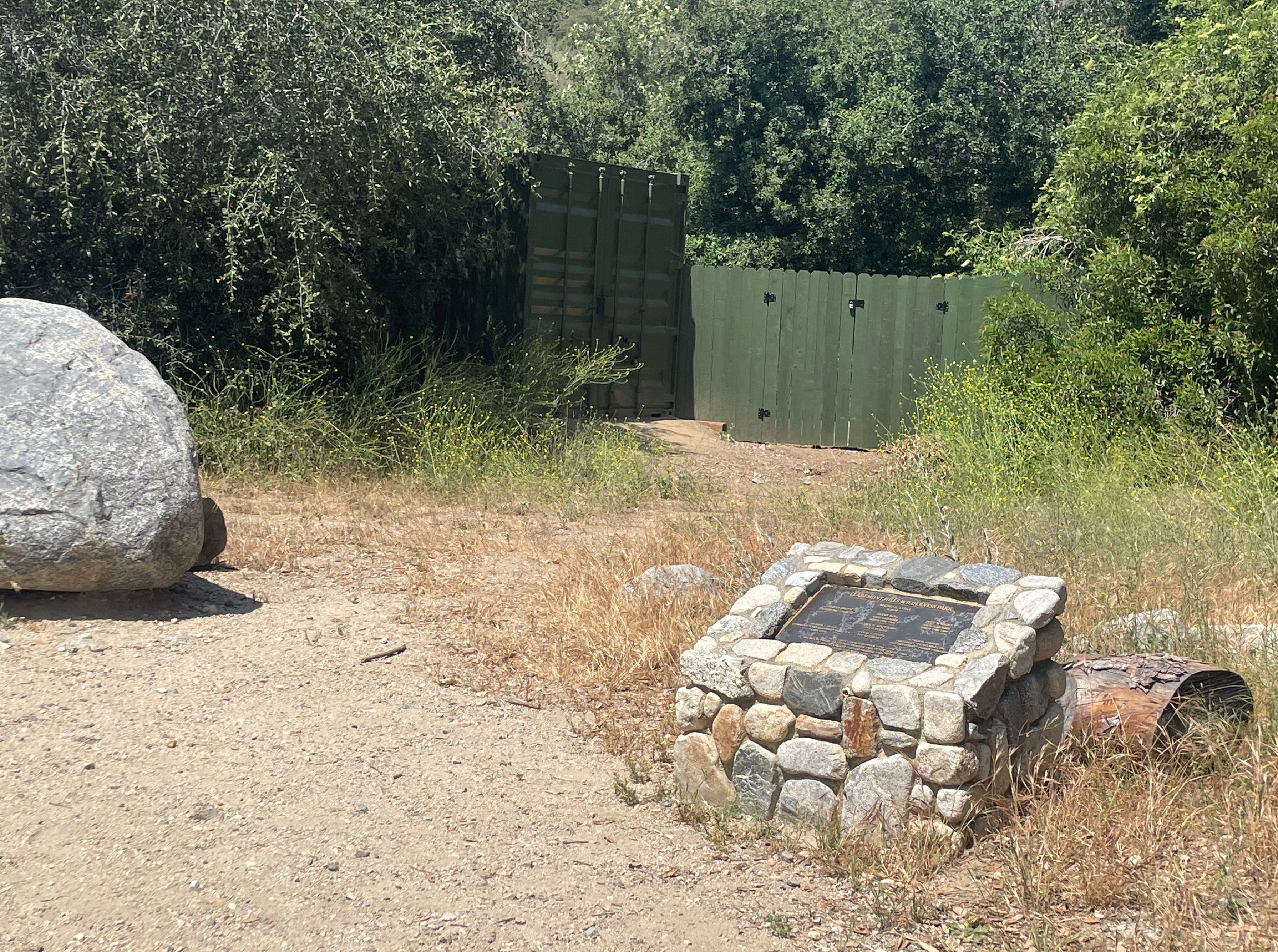
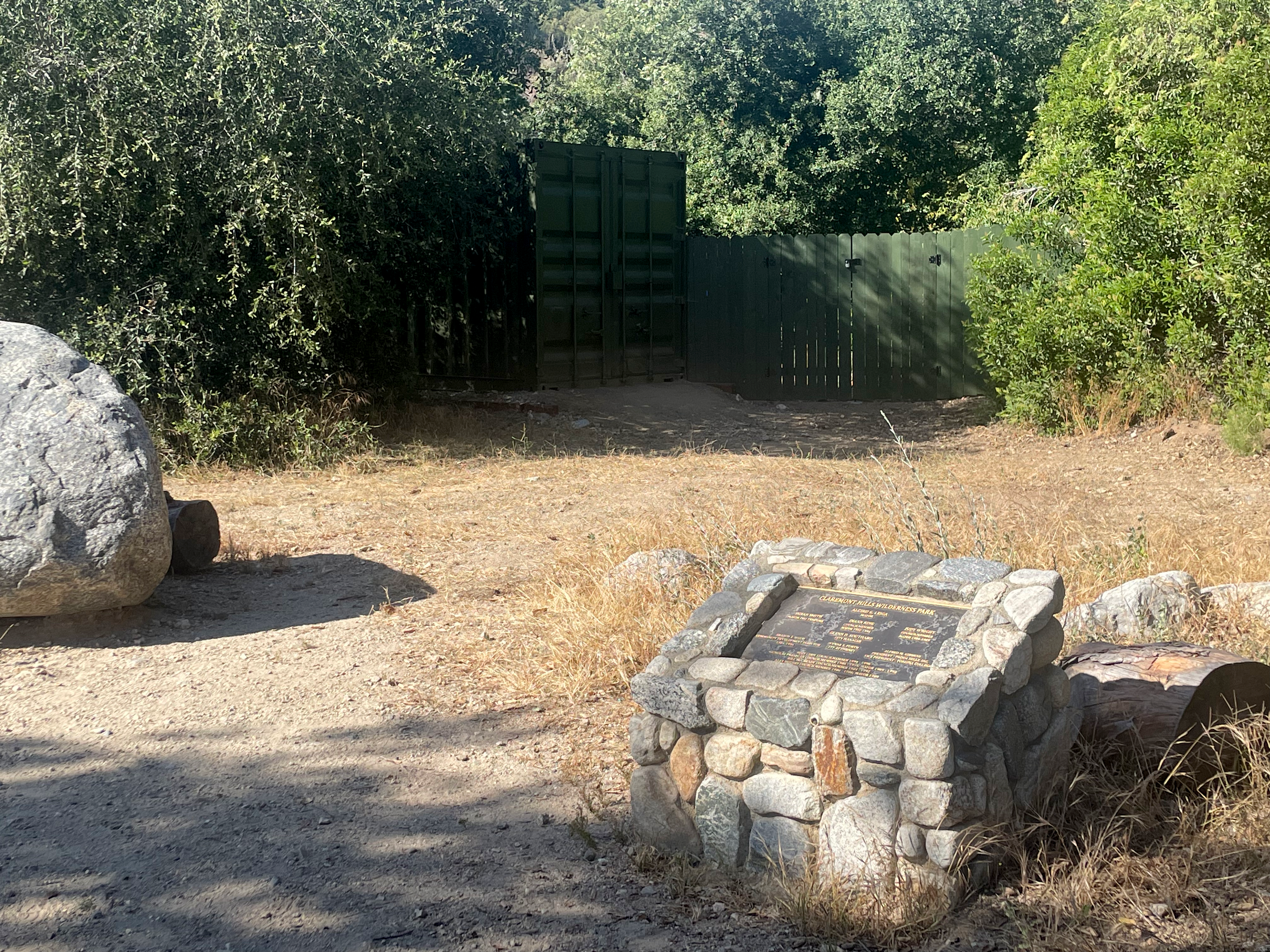
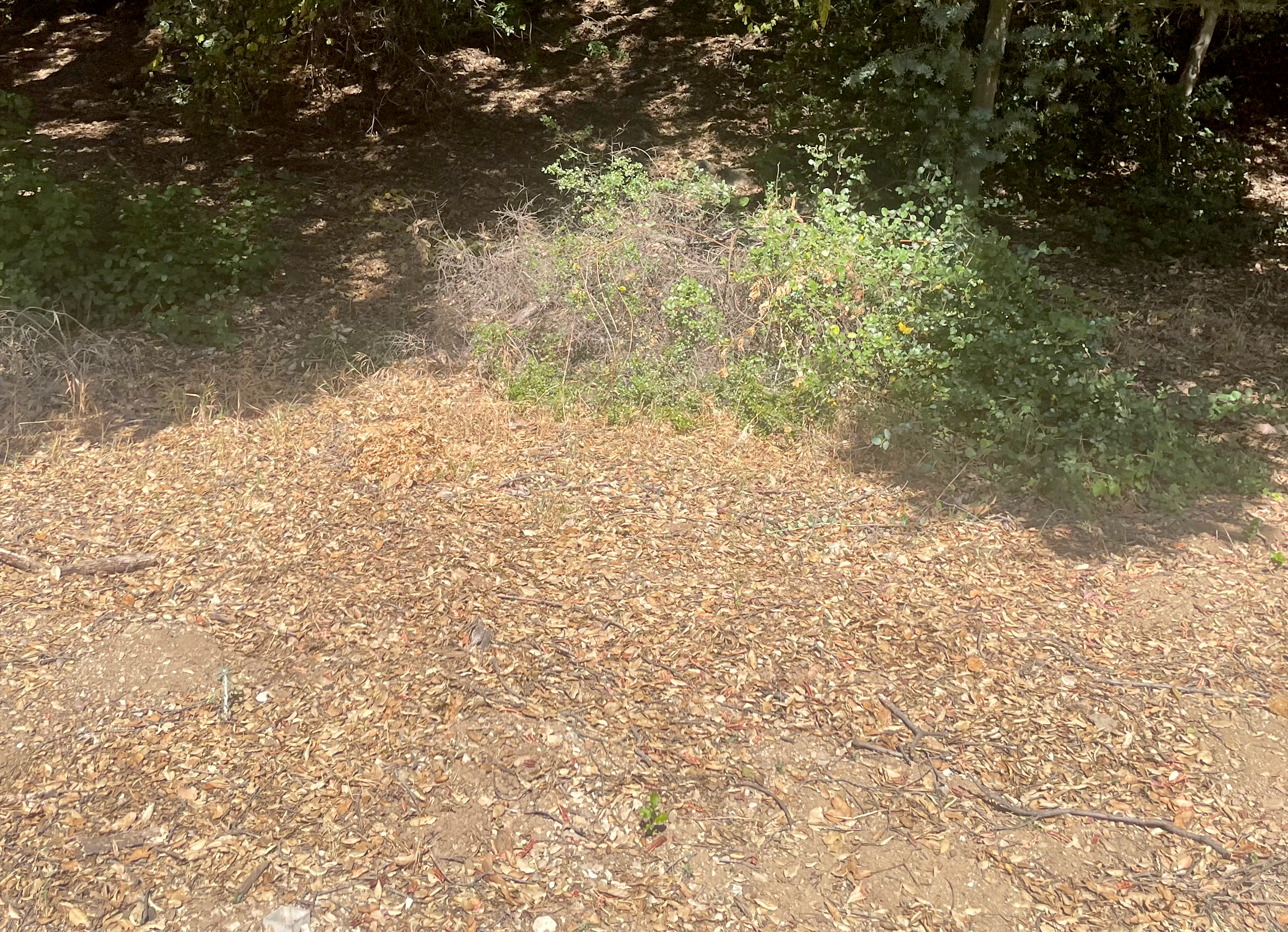
And a little “Before” and “After”:
Area by the storage shed before mustard was cleared.Area by the storage shed after mustard was cleared.Thistles under the oak tree by the entrance.Under the oak tree after thistles were removed.
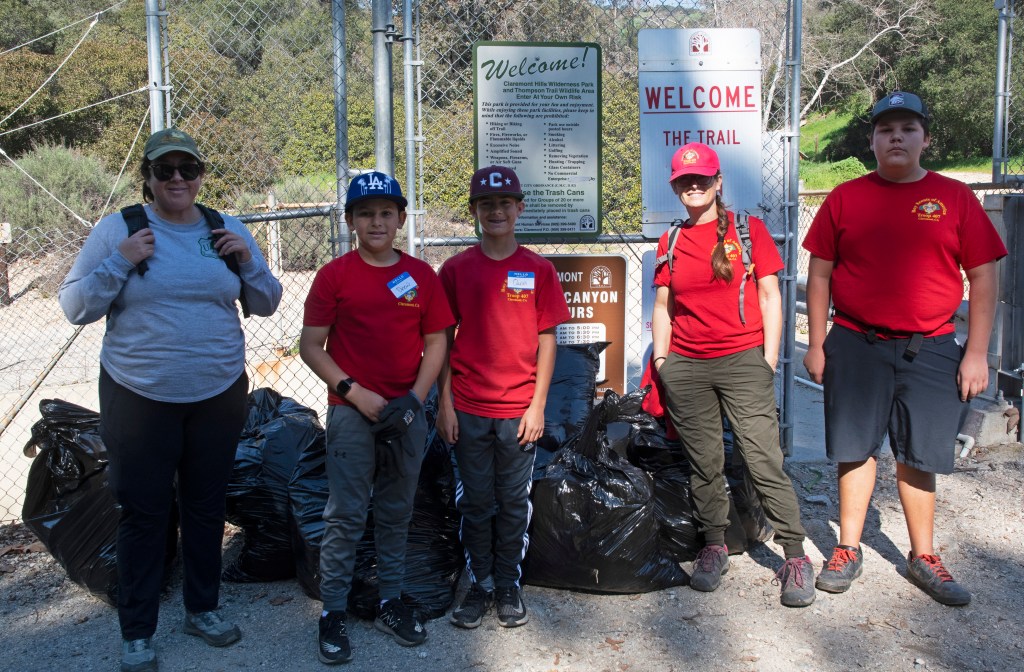
The Friends of the Wilderness Park held their first ever invasive plant removal event on Saturday, January 28, when a dedicated group of volunteers, including members of Boy Scout Troop 407, removed Sahara Mustard from the Sycamore Canyon Trail.
Sahara Mustard has done horrible damage to the desert east of her, displacing native wildflowers and other native plants as well as creating a fire hazard where none had existed previously. Fortunately, Sahara Mustard has only established a few relatively small infestations in the Wilderness Park, so we have an excellent chance of eradicating this pest.
Two of the infestations are along the Sycamore Canyon Trail – one at the bottom of the trail and one about one-third of the way up. Although you always miss some, we tried to remove all of the mustard in both of those areas, and we filled 15 contractor bags full of mustard! It will take a few years before all the mustard is gone, as a seed bank has already been established, but we hope to see progress soon!
We hope to be having invasive plant removal events about once a month except for the hot part of the summer. If you’d like to get an announcement, just sign up for our email list.
Here are some photos from the mustard removal:
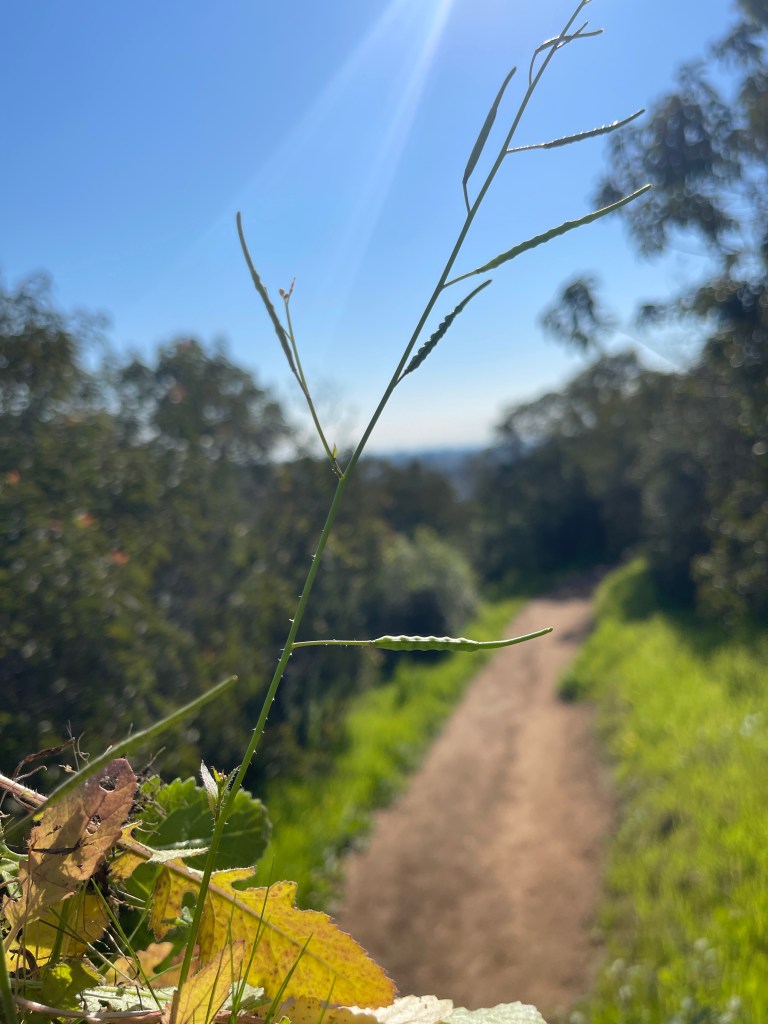
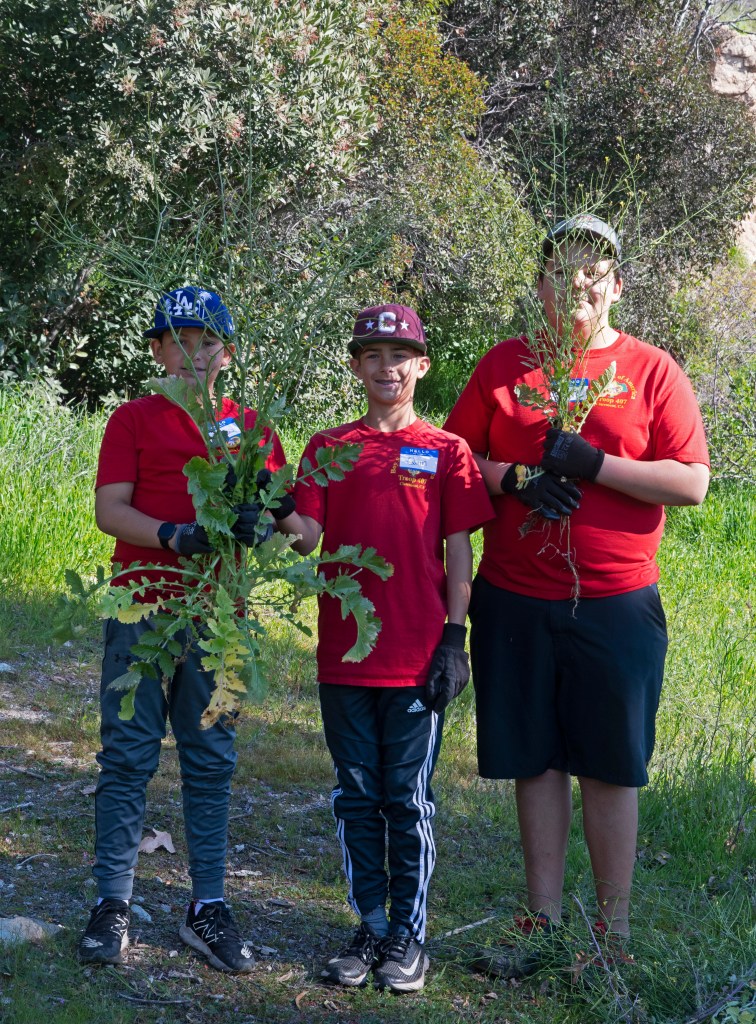
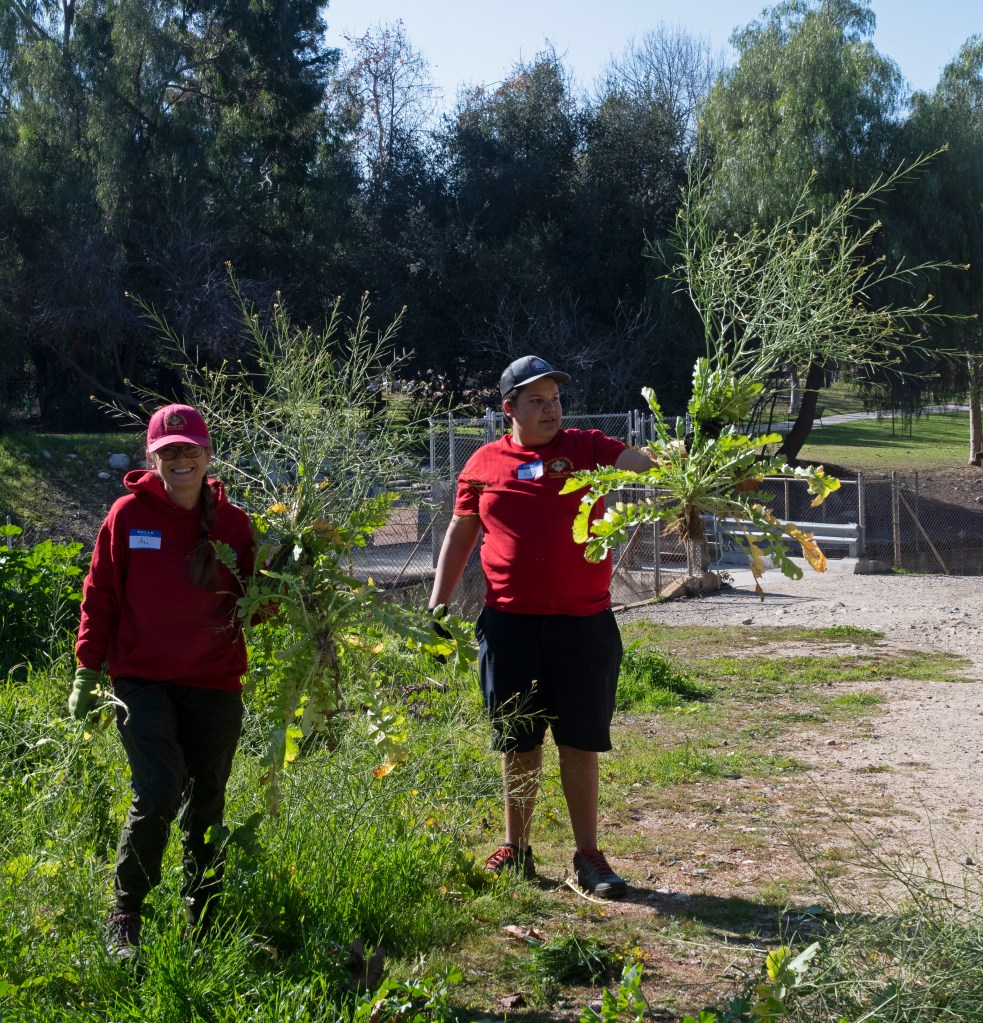
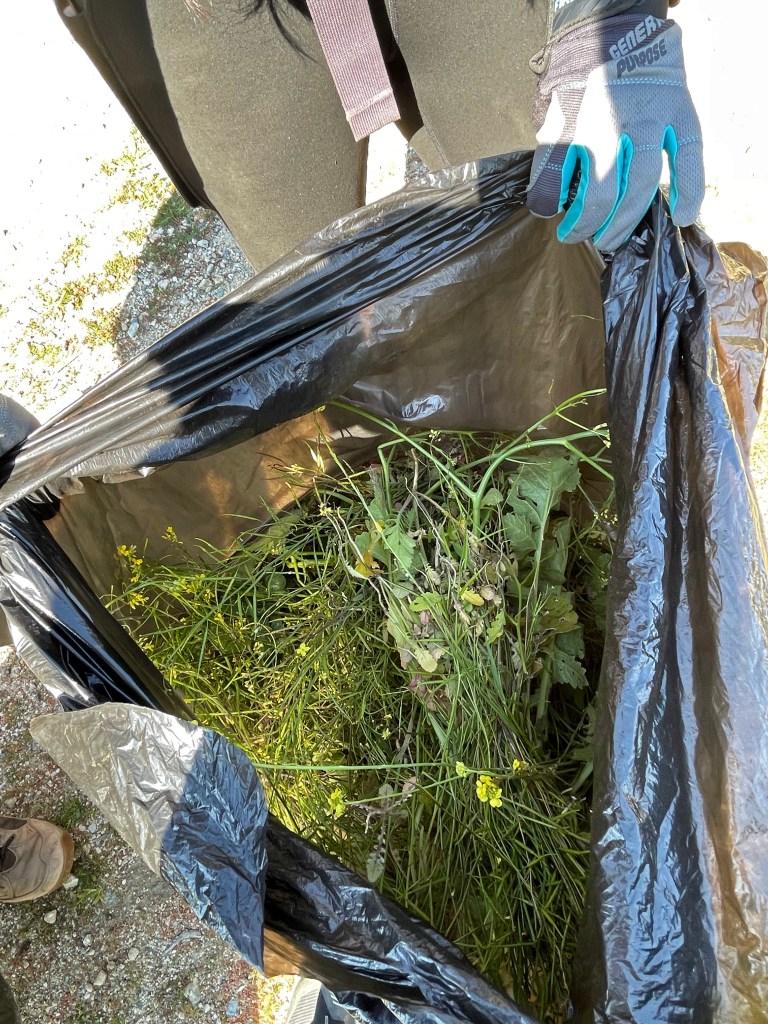
Drew, Quin, and Aiden get to work in the mustard patch.Naomi gets the mustard from the south edge of the patch.Drew and Quin pulling mustard.Teddy pulls mustard from the edge of the Sycamore Canyon Trail.Iris pulls mustard from the side of the trail.The characteristic Sahara Mustard seed pods.Drew, Quin, and Aiden show off their giant mustard plants.Ali and Aiden with some impressively large mustard plants.Teddy hauls a big bag of mustard back down the trail.We thought we were done, but Teddy and Nancy find another little patch of mustard.A bag of Sahara Mustard.Naomi, Drew, Quin, Ali, and Aiden with the bags of mustard.Teddy and Iris with the bags of mustard.Nancy with the bags of mustard.









 Friends of the Claremont Hills Wilderness Park