Victory over the Vinca? Not quite!

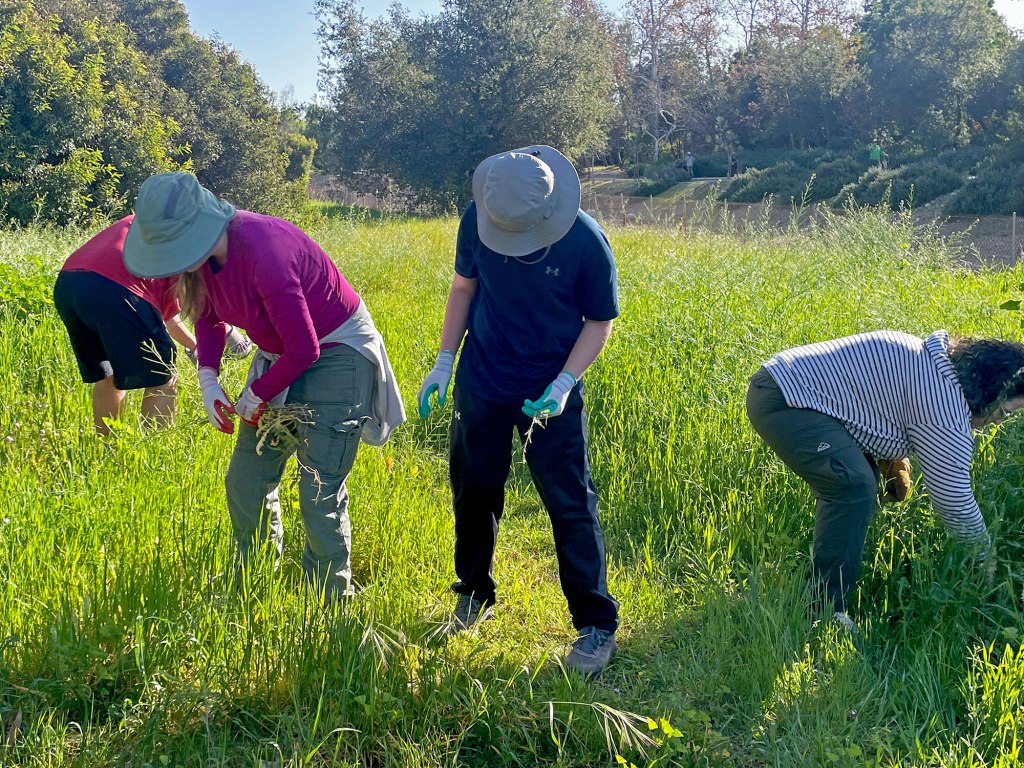
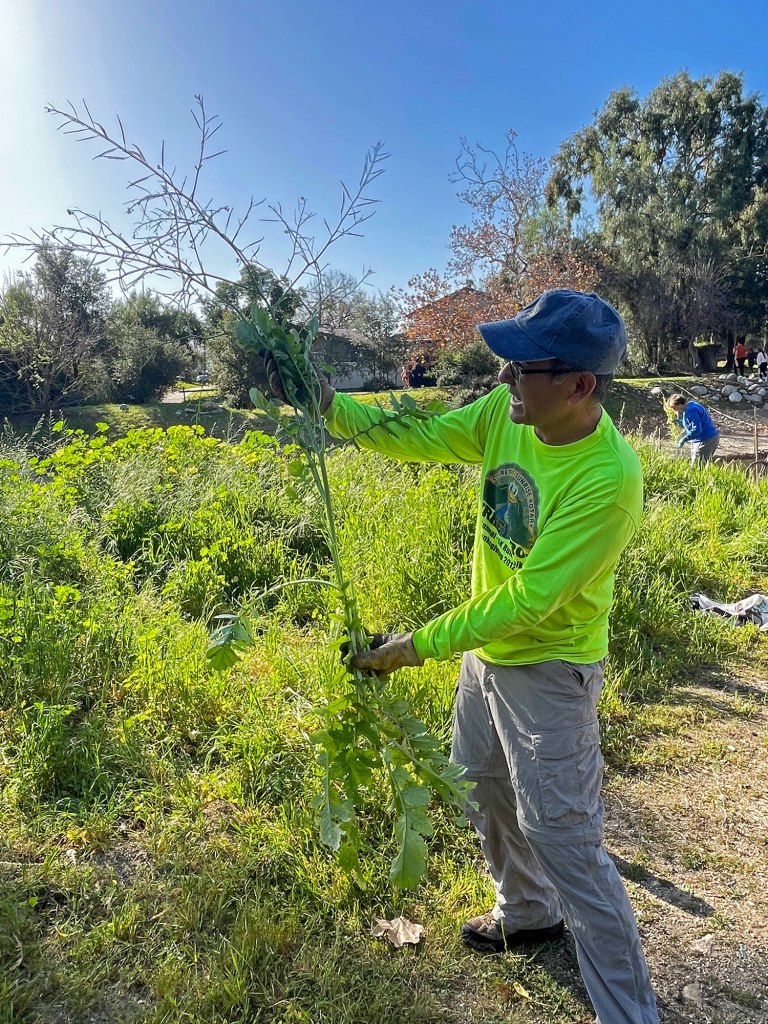
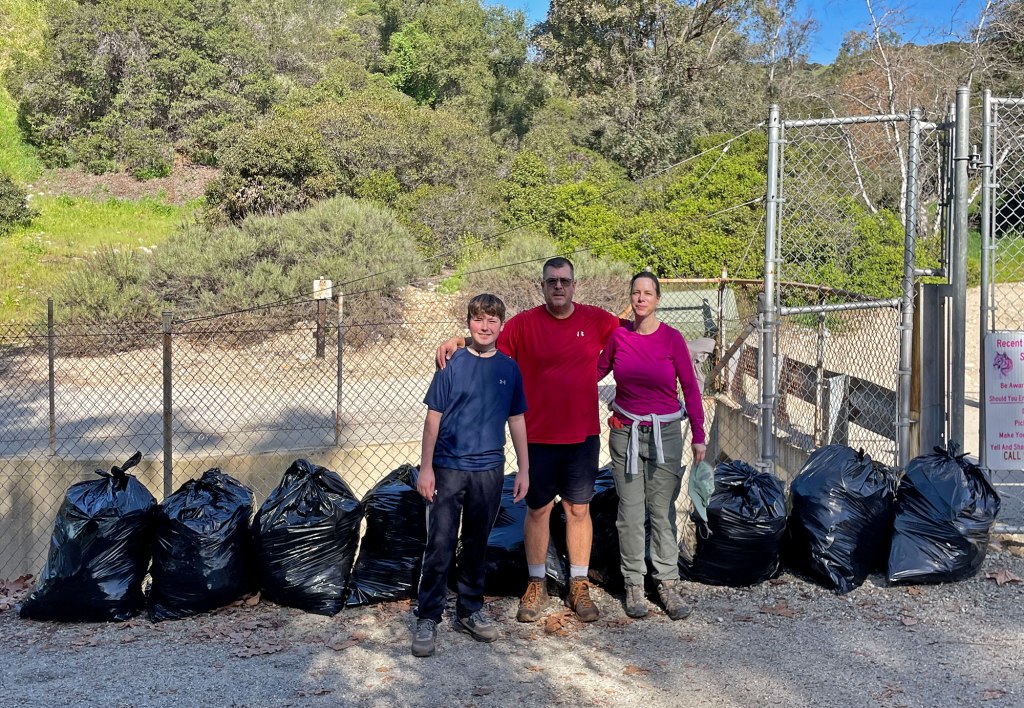
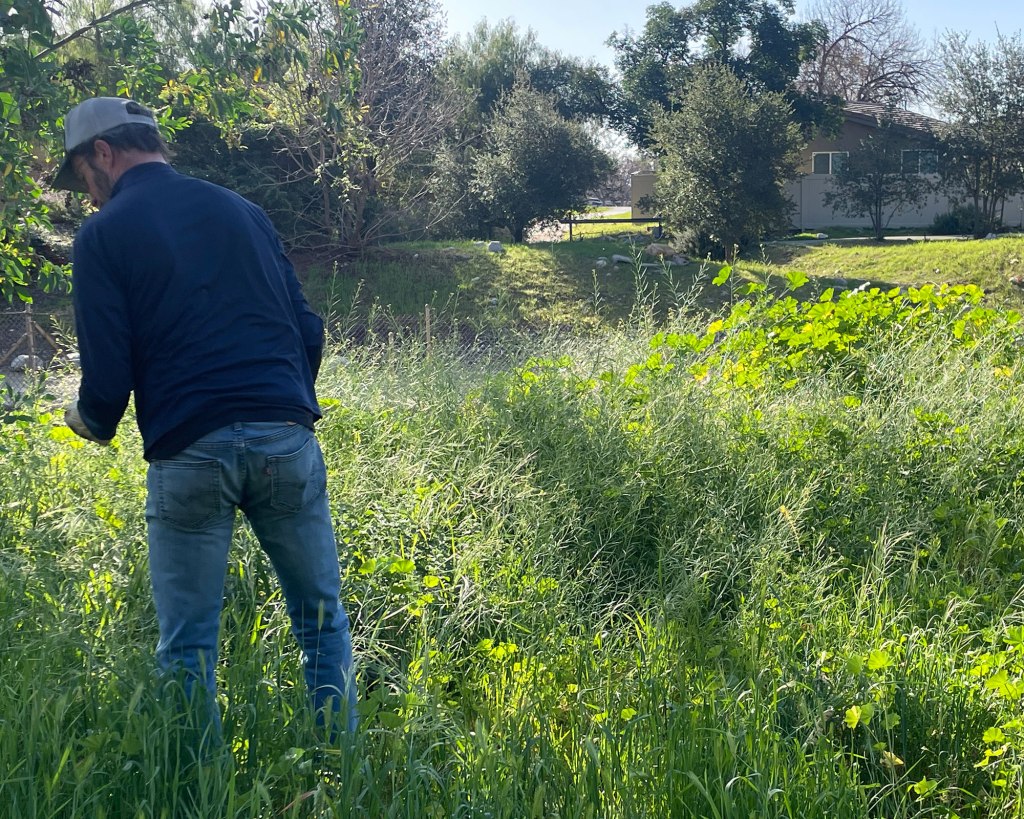
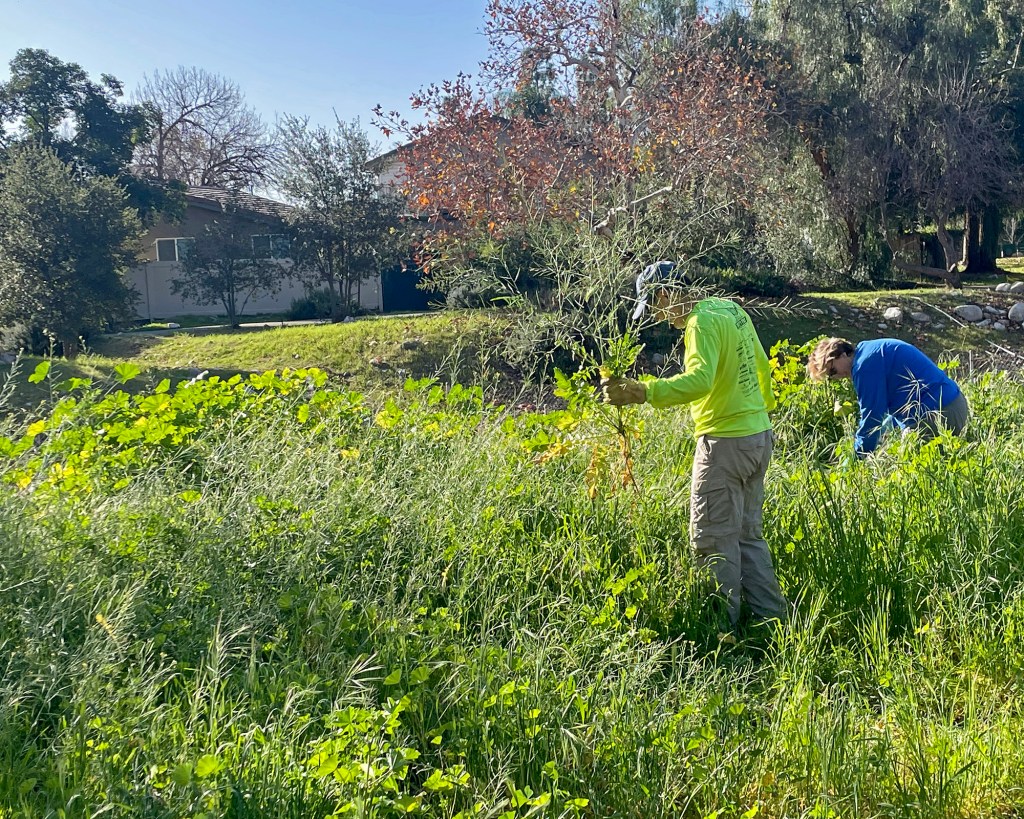
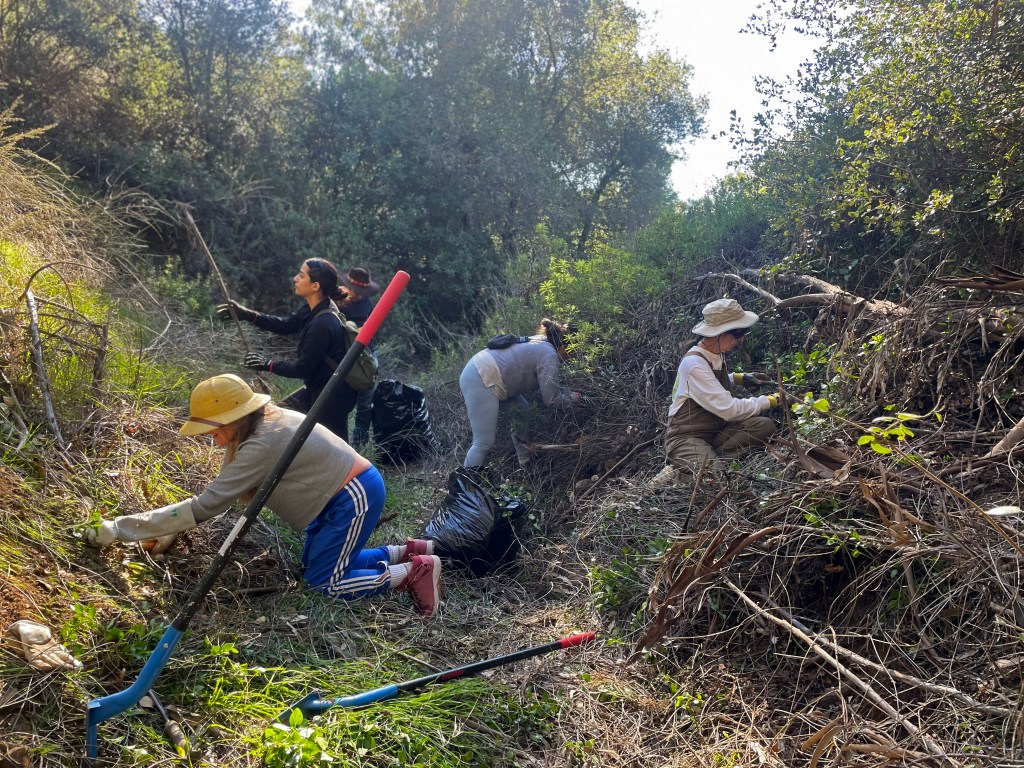
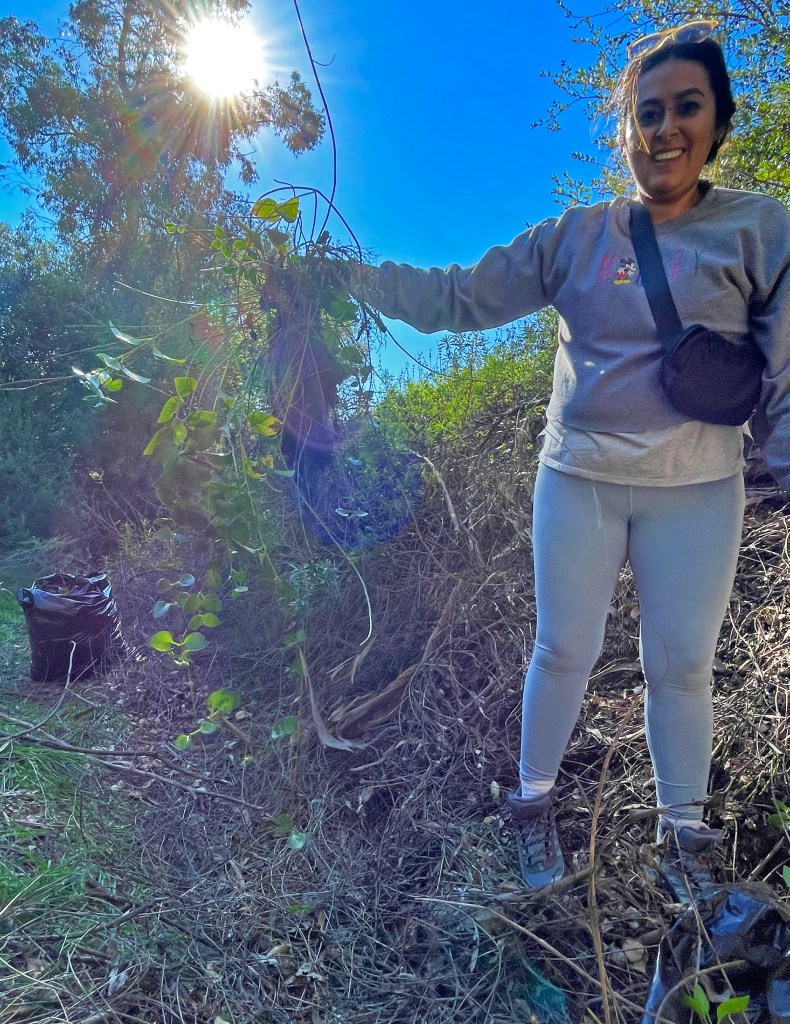
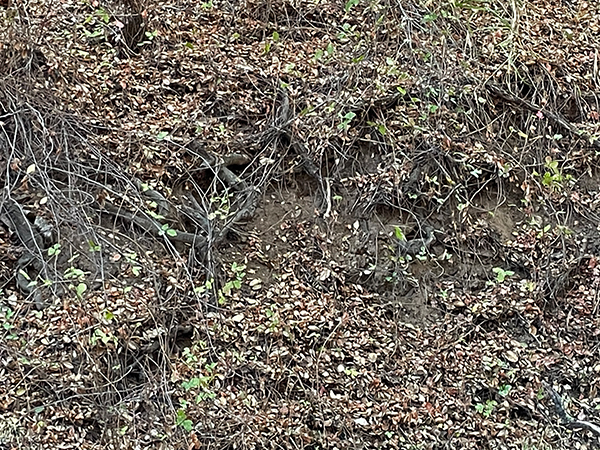
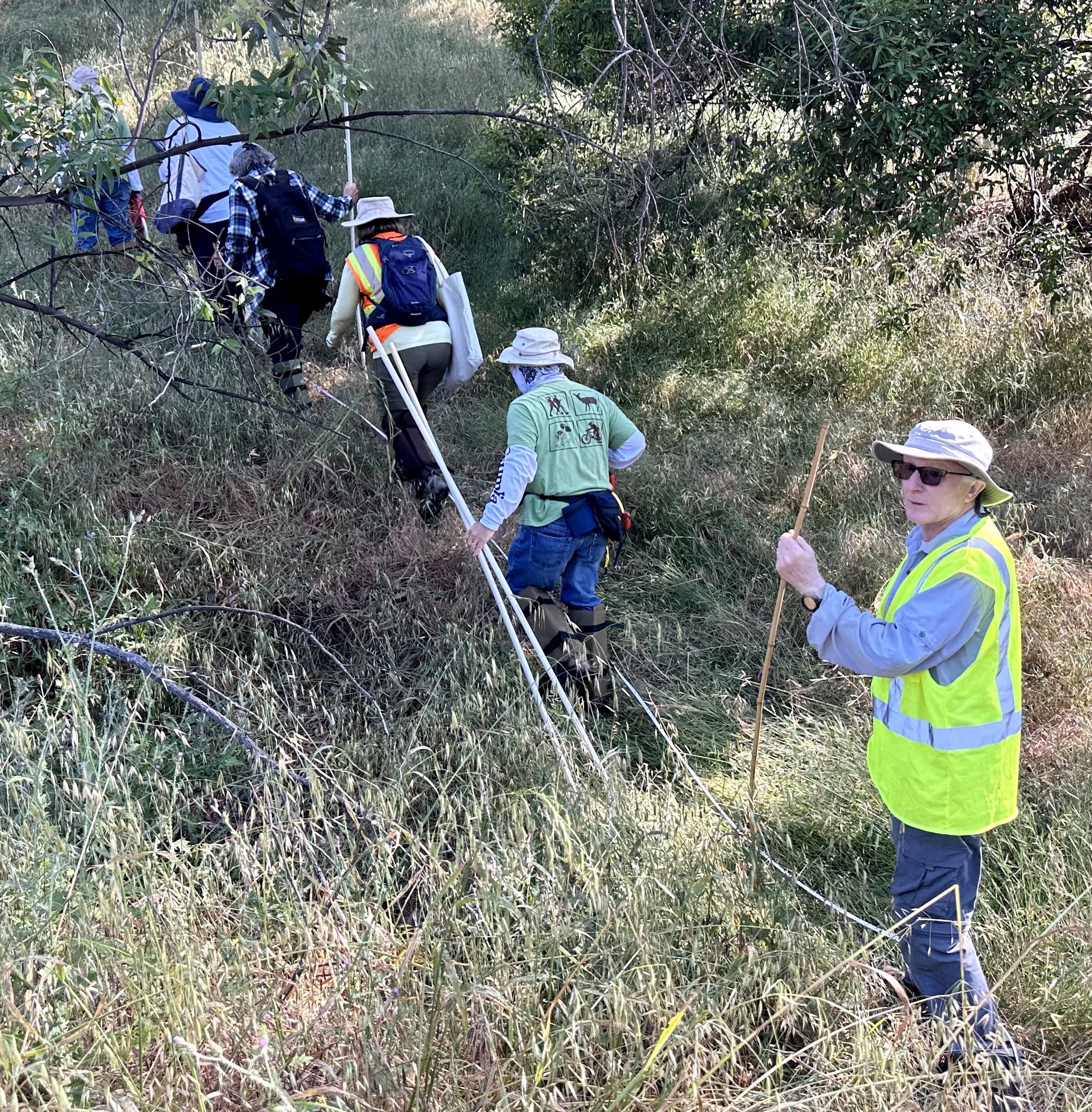
On Saturday, December 6, a dedicated crew set out to vanquish what we thought was a small infestation of Vinca major (Big Periwinkle) next to the Cobal Canyon Trail.

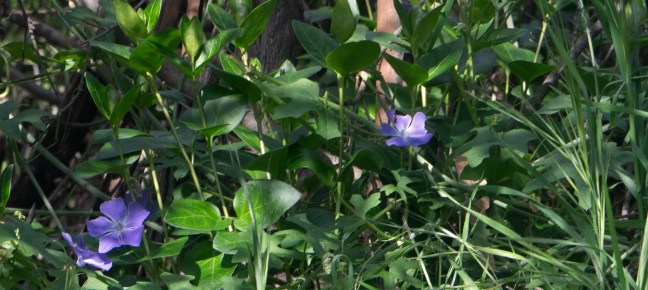
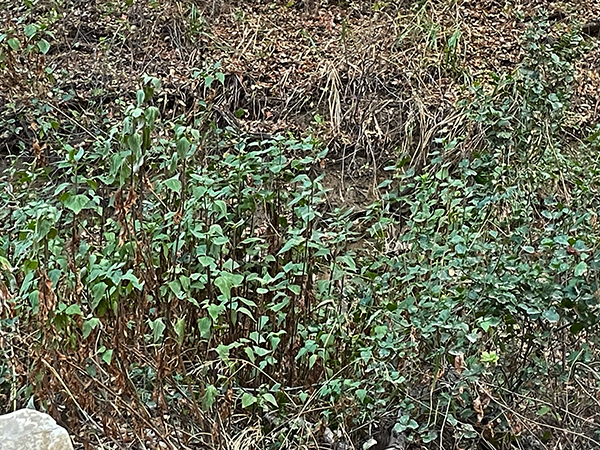
Vinca major (Big Periwinkle) growing next to the Cobal Canyon Trail.

Big Periwinkle is native to central Europe and the Mediterranean region. It was introduced to the United States in the 1700s as an ornamental and for medicinal uses. With its dark glossy green leaves and showy purple flowers, Big Periwinkle has become a popular ornamental ground cover, but when plants escape to the wild and find favorable conditions, they can spread invasively, forming a dense ground cover that outcompetes native vegetation. It grows best in moist, shady conditions, such as riparian corridors. Such infestations along streams can easily spread, as small pieces of stem can break off, float downstream, and sprout roots when they land to start a new infestation.

On Saturday, the volunteers set to work, but as we tackled the infestation, we realized it went farther upstream than we had known, as it couldn’t be seen from the trail. It became clear that the upstream plants were older and much more massive root systems than the plants at the downstream end.

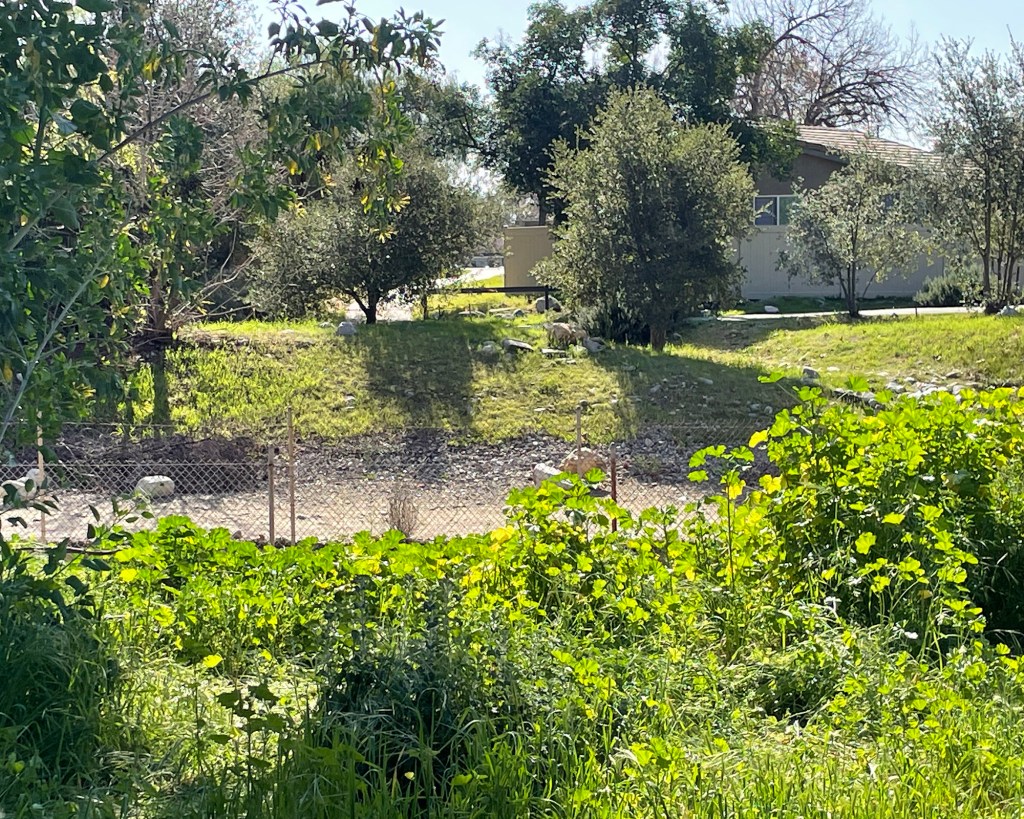
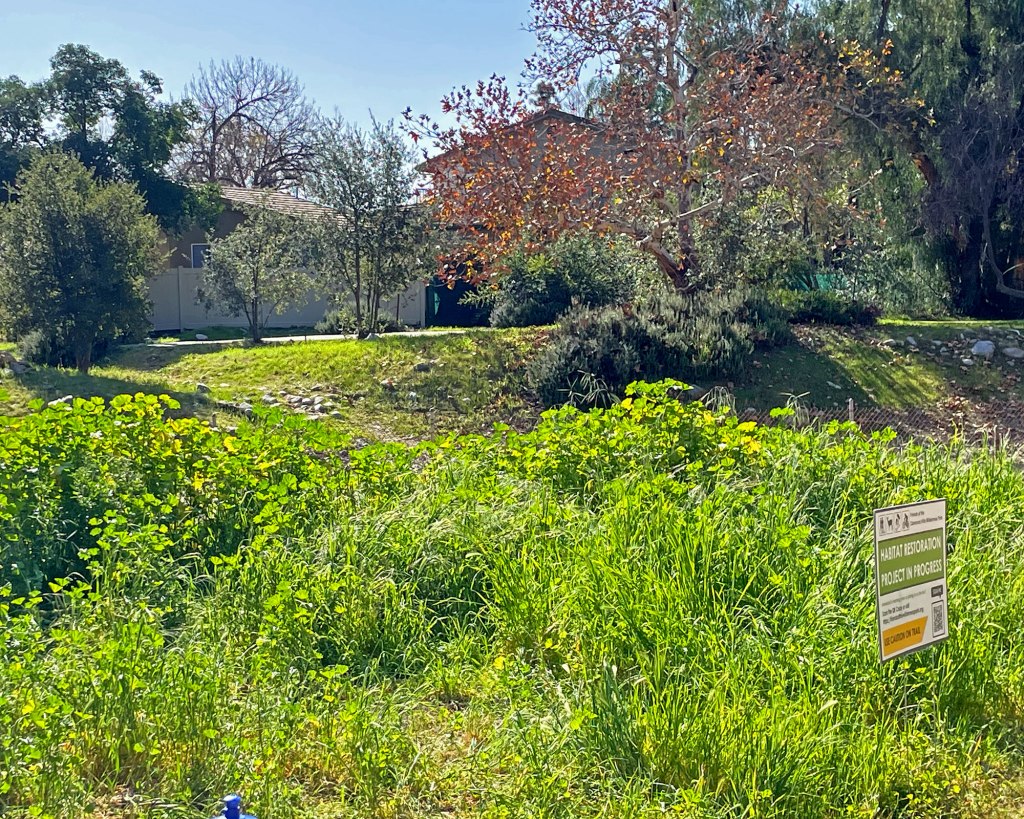
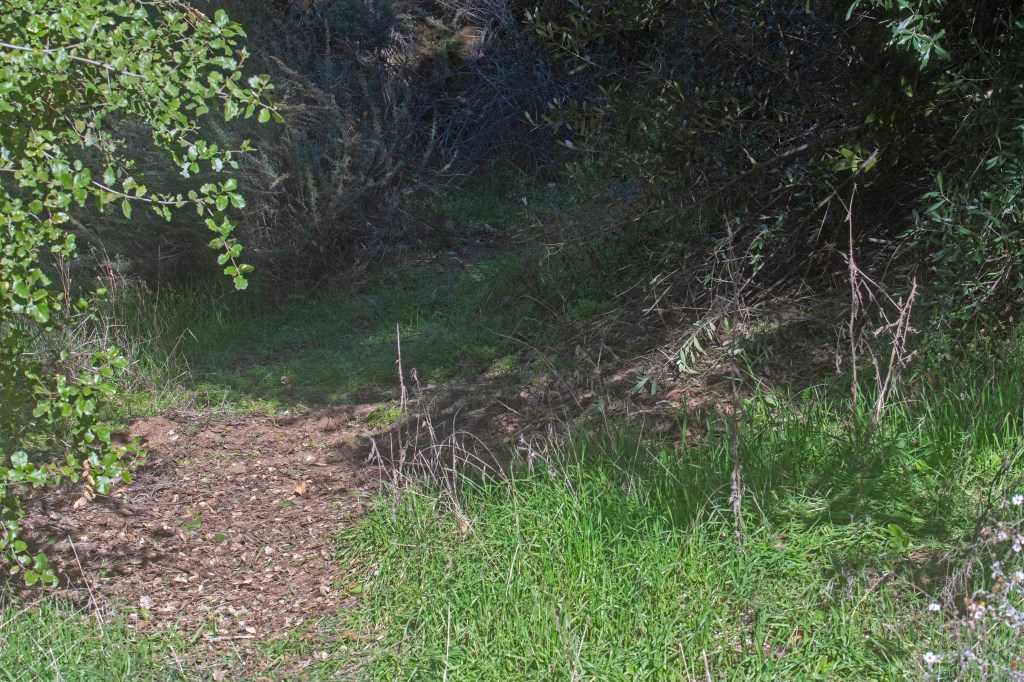
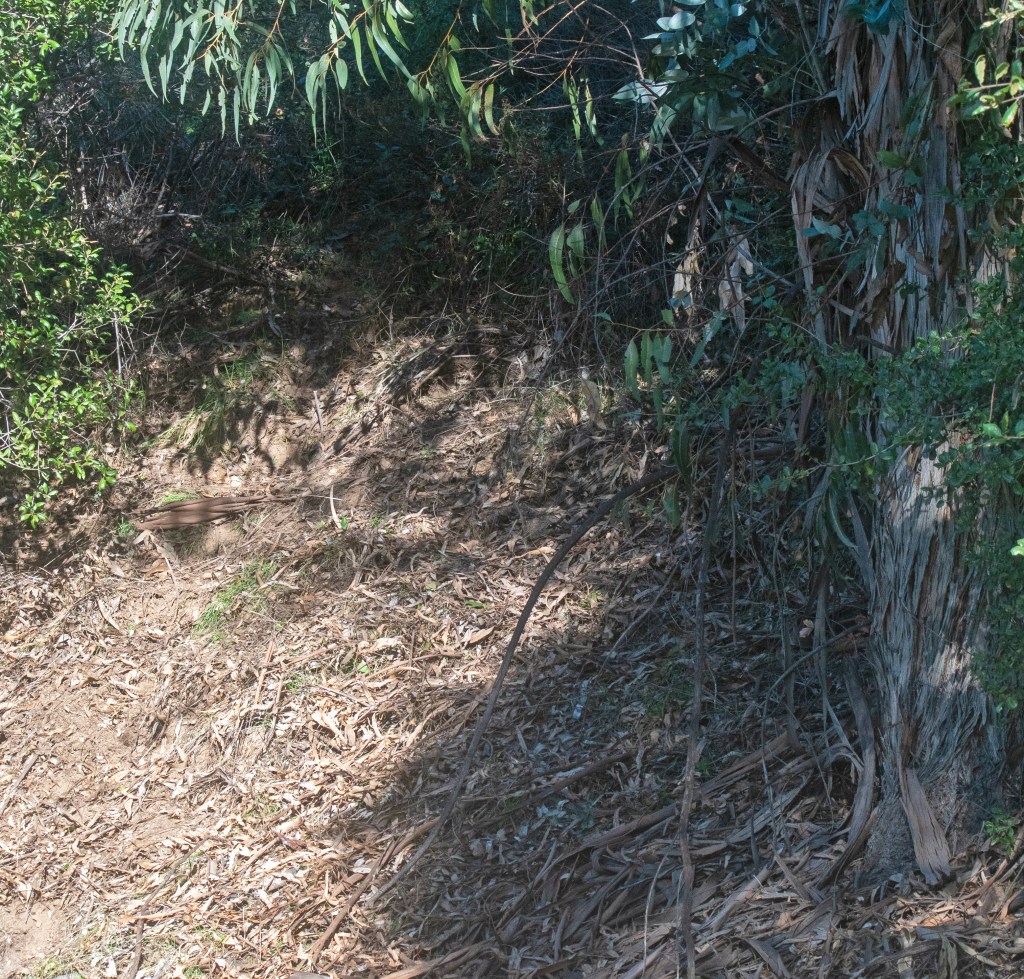
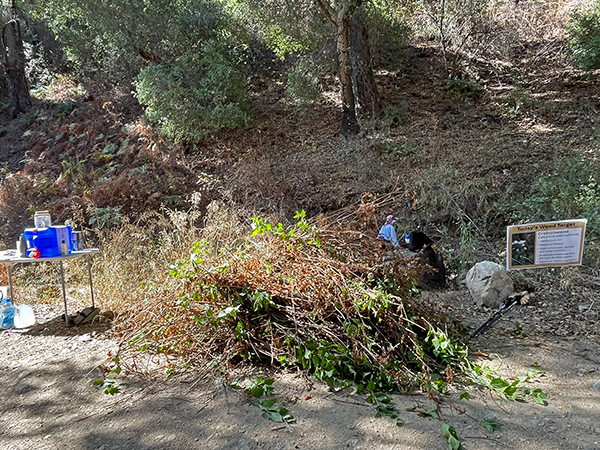
Nonetheless, we removed all the Periwinkle from the originally targeted areas and some of the more upstream infestation. Here are some before and after photos:

Many thanks to all the hard-working volunteers! Stay tuned for another workday to tackle the rest of the Periwinkle!

Goodbye, Croftonweed!

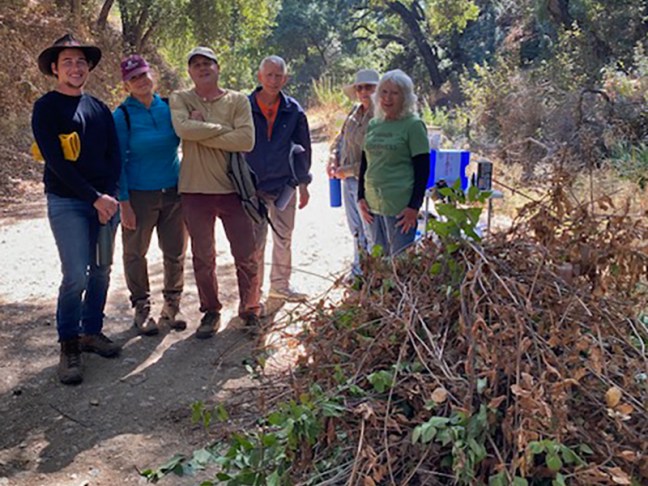
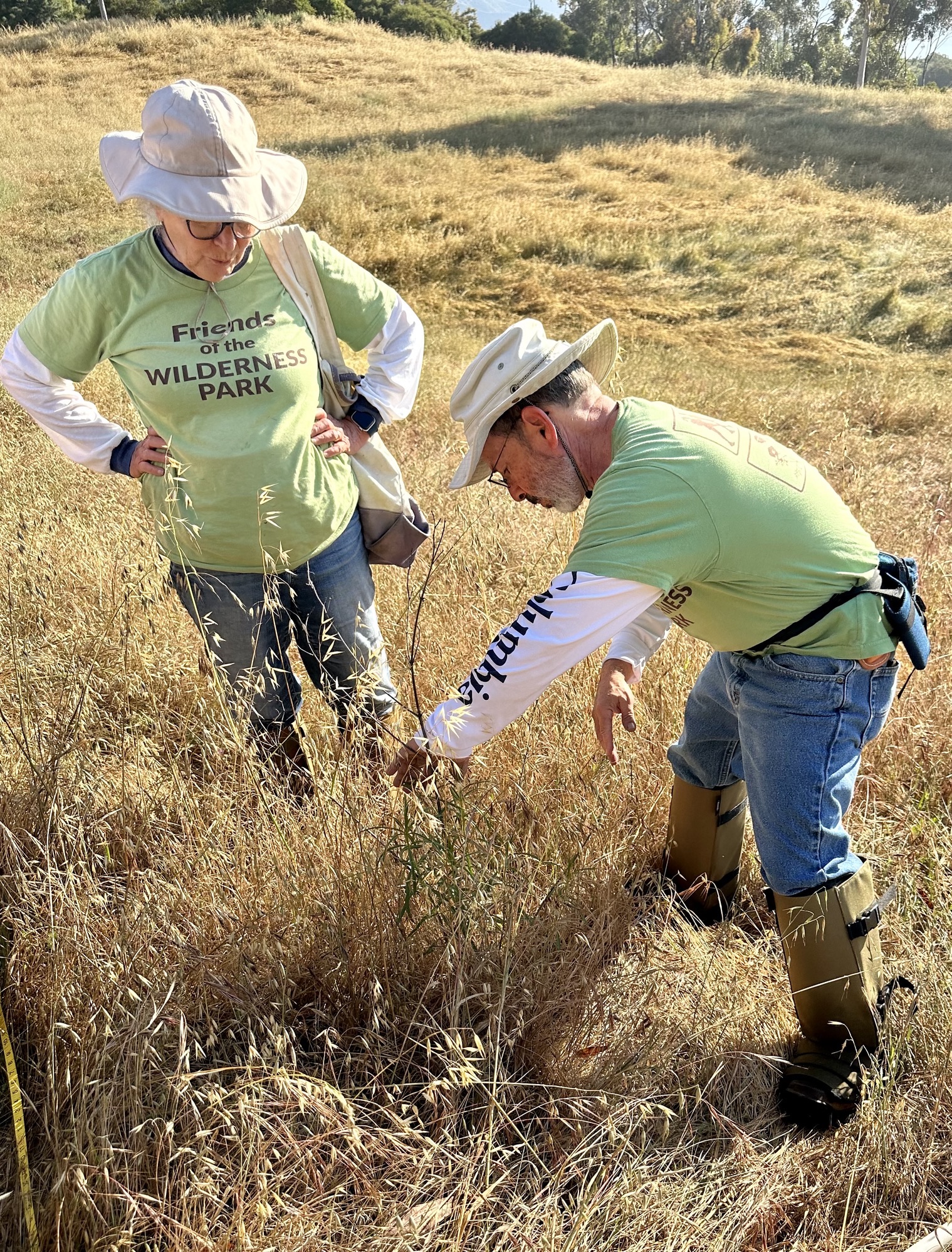
The Weed Warriors – Johan, Susan, Paul, Andrew, Heidi, and Nancy – with their pile of Croftonweed with Marcy behind the camera. ©Marcyn Clements.

Croftonweed (also known as eupatory, thoroughwort, sticky snakeroot, catweed, hemp agrimony, sticky agrimony, and sticky Eupatorium – scientific name Ageratina adenophora) is toxic to humans, horses, and other animals, and also produces chemicals that inhibit the growth of other plants.  It spreads easily and crowds out native vegetation.

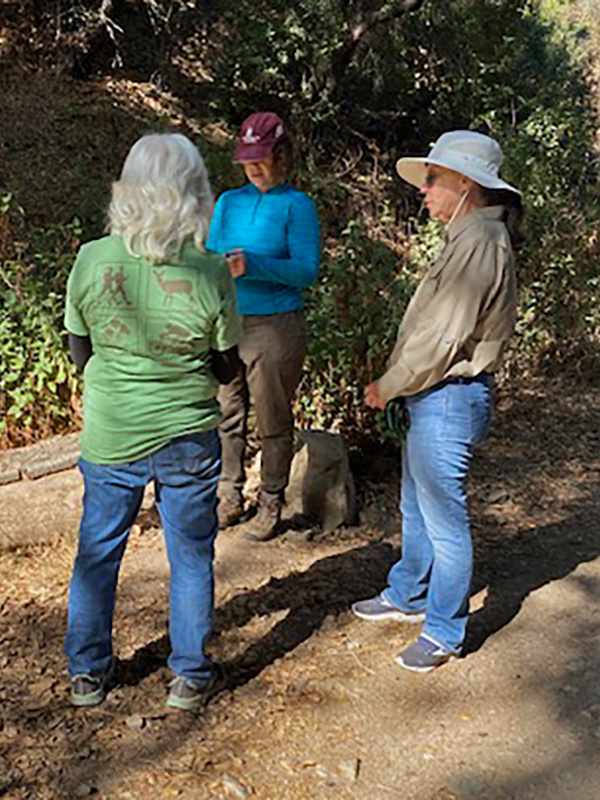
In 2019, we spotted a single clump of Croftonweed in Cobal Canyon, and since then we’ve seen it expand from a single clump to something like 50-100 plants.  So wanted to get it out before it spread more and got even harder to remove. On October 4, a group of volunteers braved poison ivy to remove all the known Croftonweed from Cobal Canyon. We will have to keep an eye out for any sprouts that might come up from seed next spring, but basically, it’s Goodbye, Croftonweed!

2023 Monarch monitoring is underway

Monarch and milkweed monitoring for the 2023 season is now underway in our monitoring plot in Johnson’s Pasture. After the cold winter, the milkweed is coming up much later this year. While milkweed plants were up and apparent in April, 2022, we did see any milkweed plants this year until the beginning of May, and some of them still aren’t up. Not surprisingly we haven’t seen any Monarch eggs or larvae yet, but we hope we will soon. Last year, we first saw monarch larvae in June.

Here are a few photos from this May. Click on the photos to see the captions.

If you would be interested in helping monitor monarchs and milkweed, please email info@friendsofthewildernesspark.org.

Sahara Mustard Removal on the Sycamore Canyon Trail

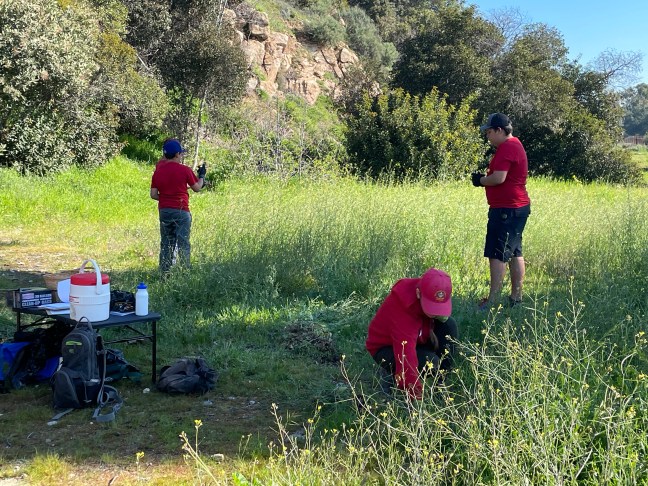
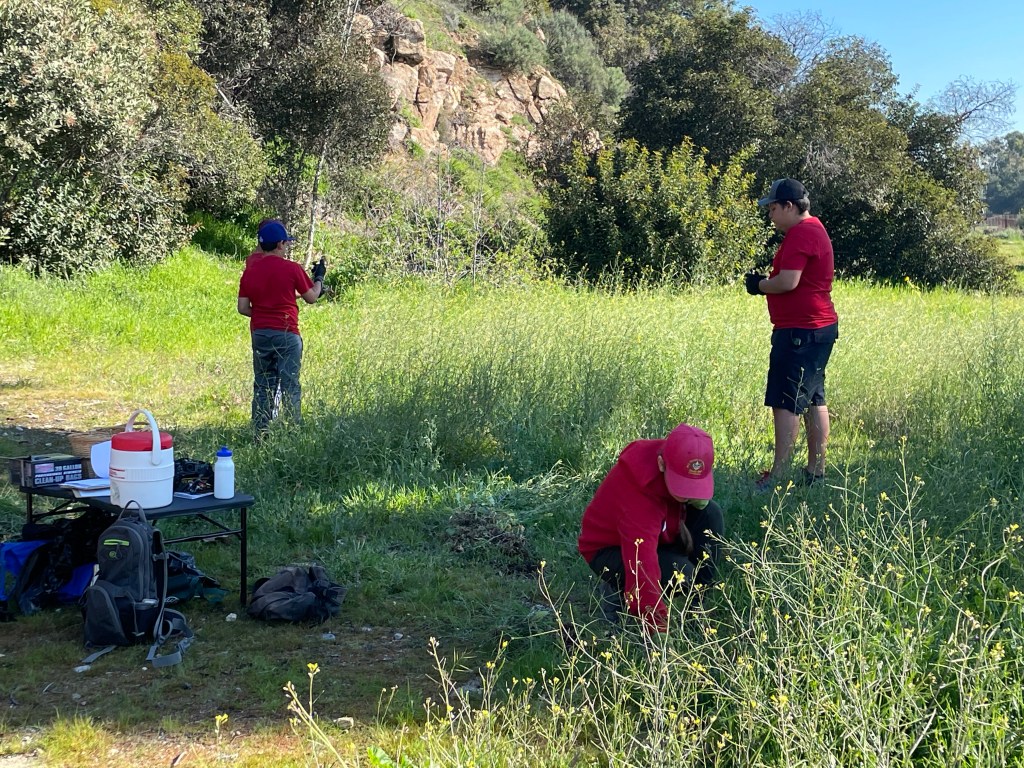
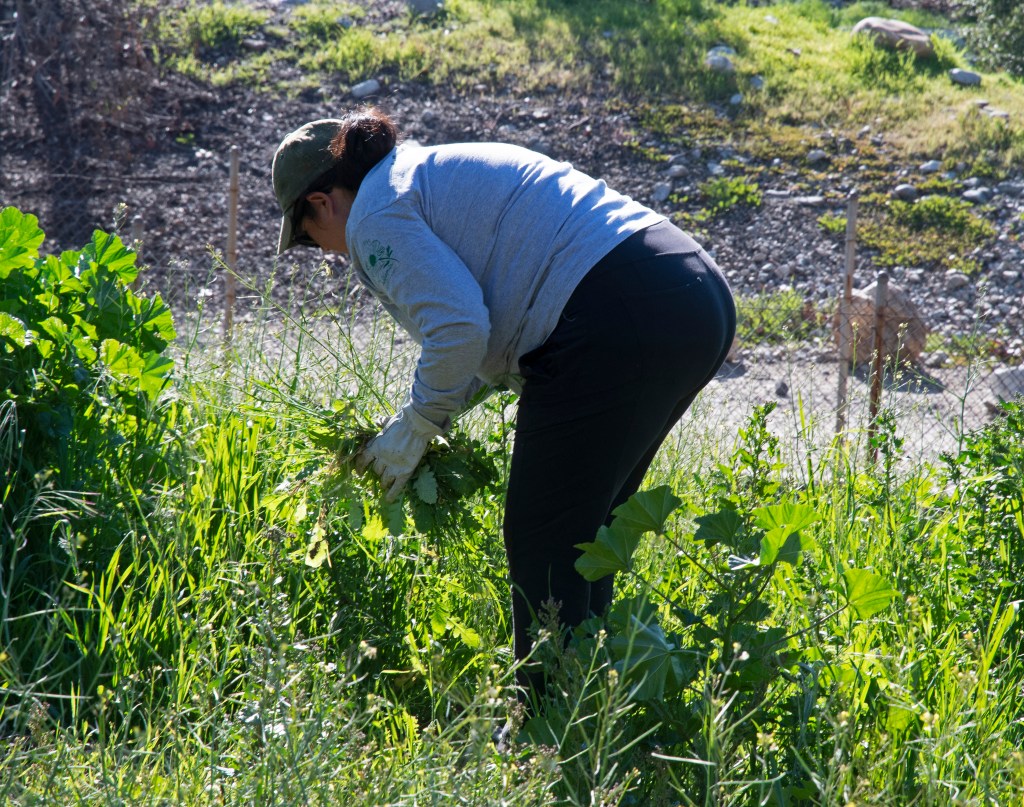
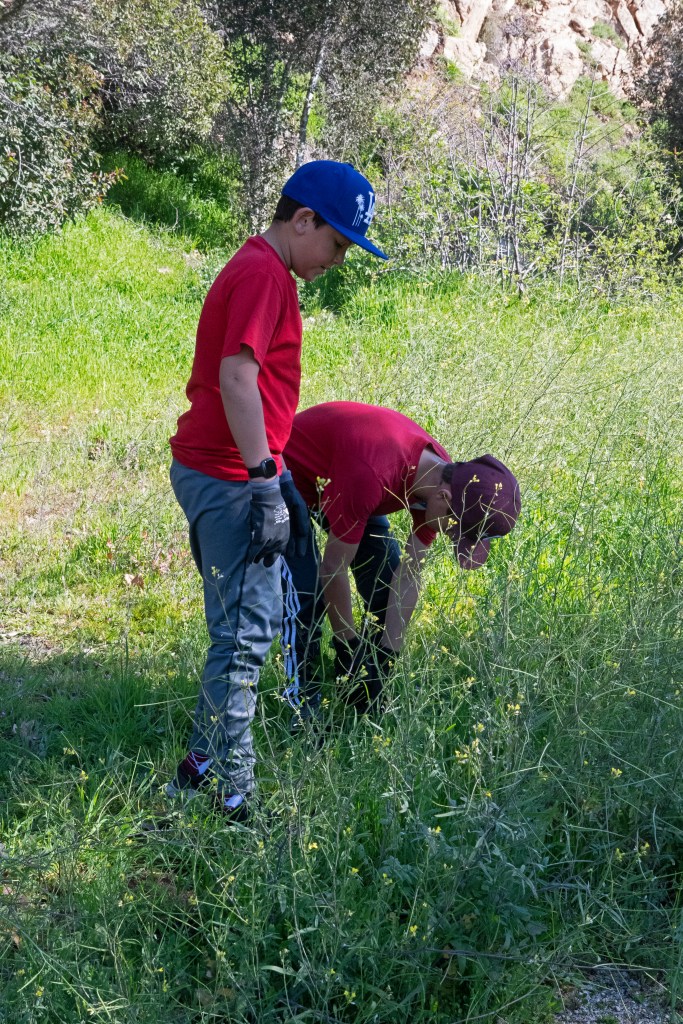
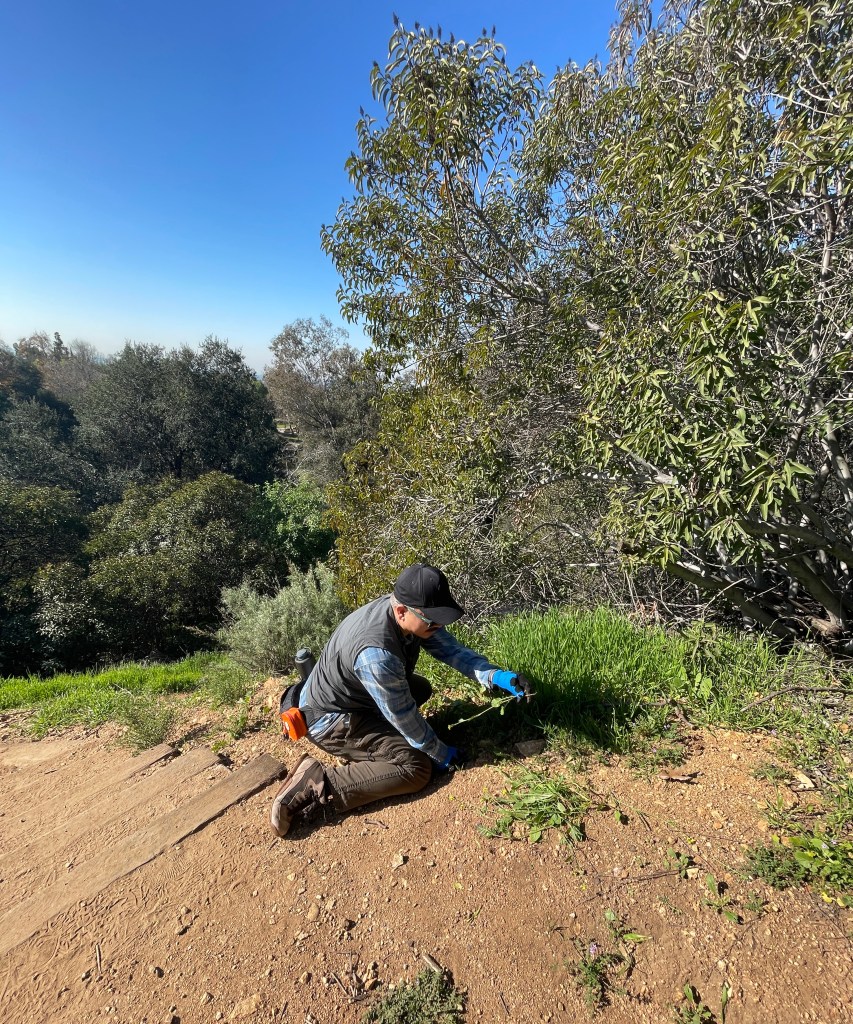
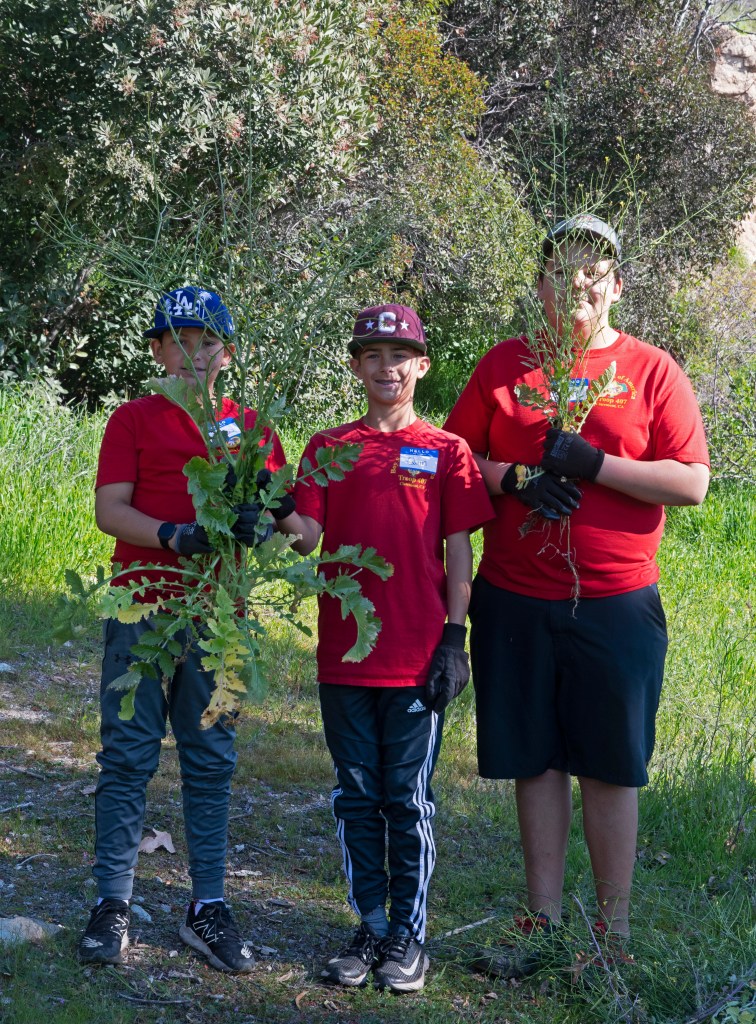
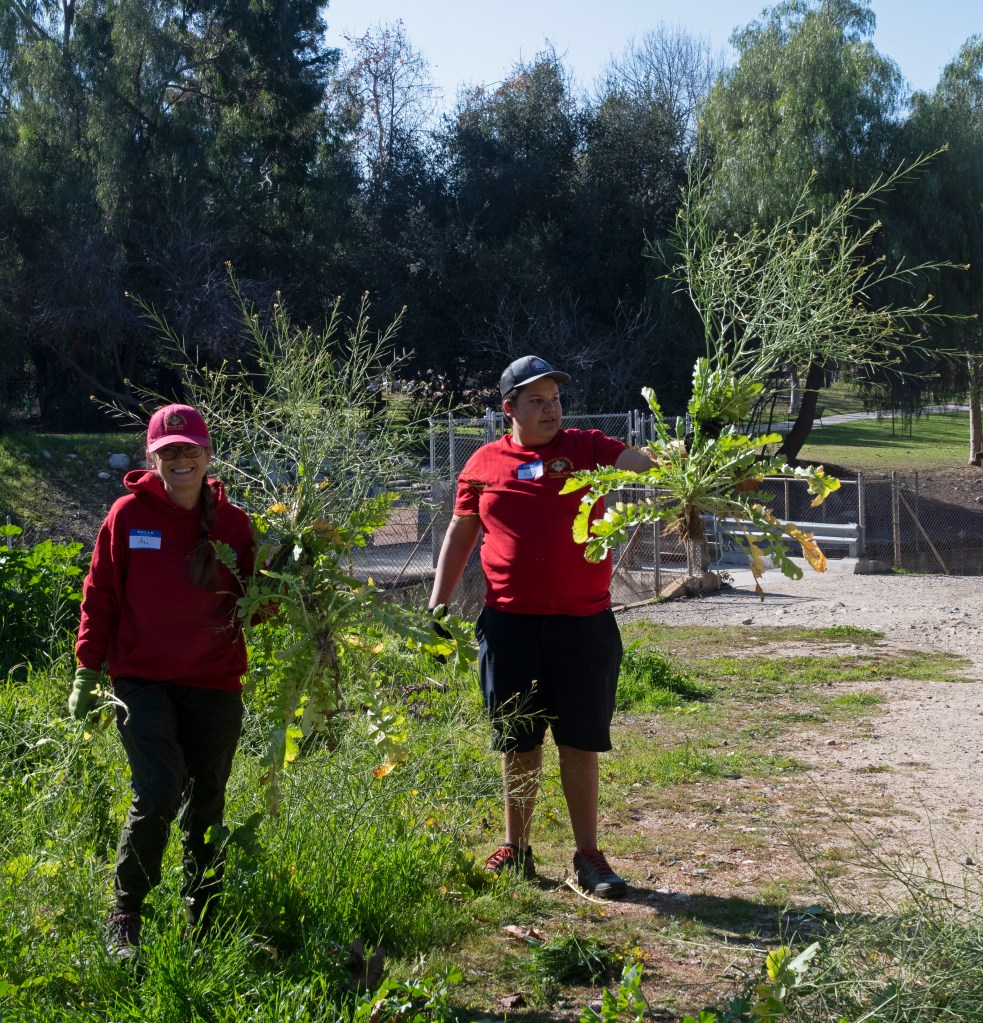
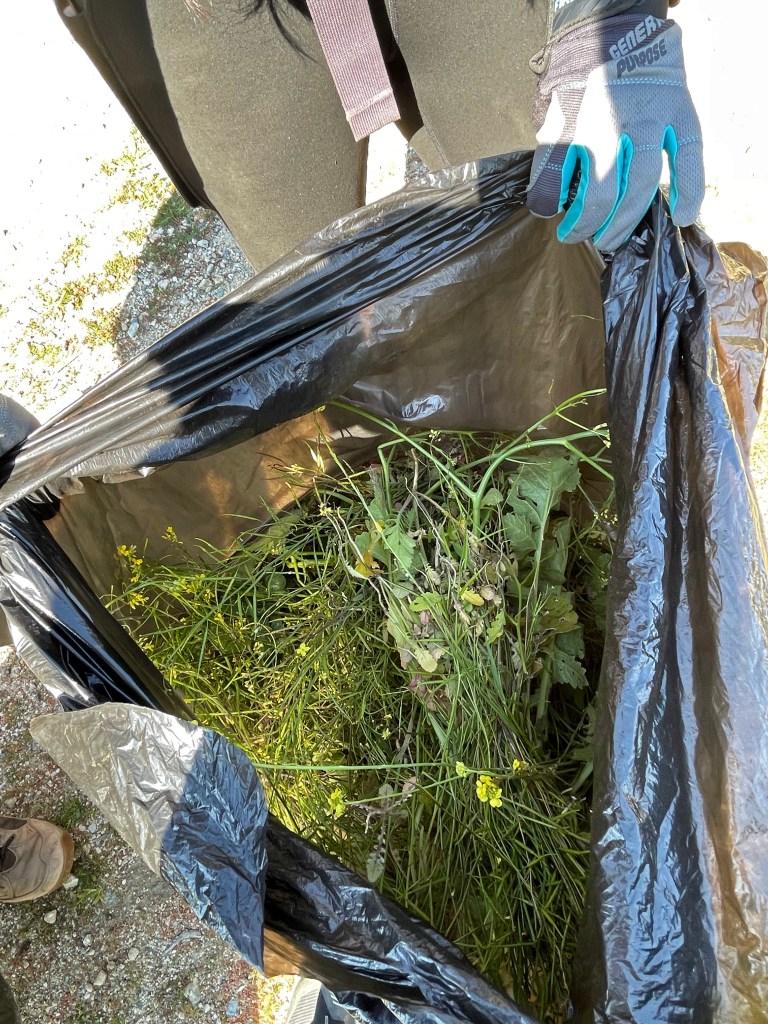
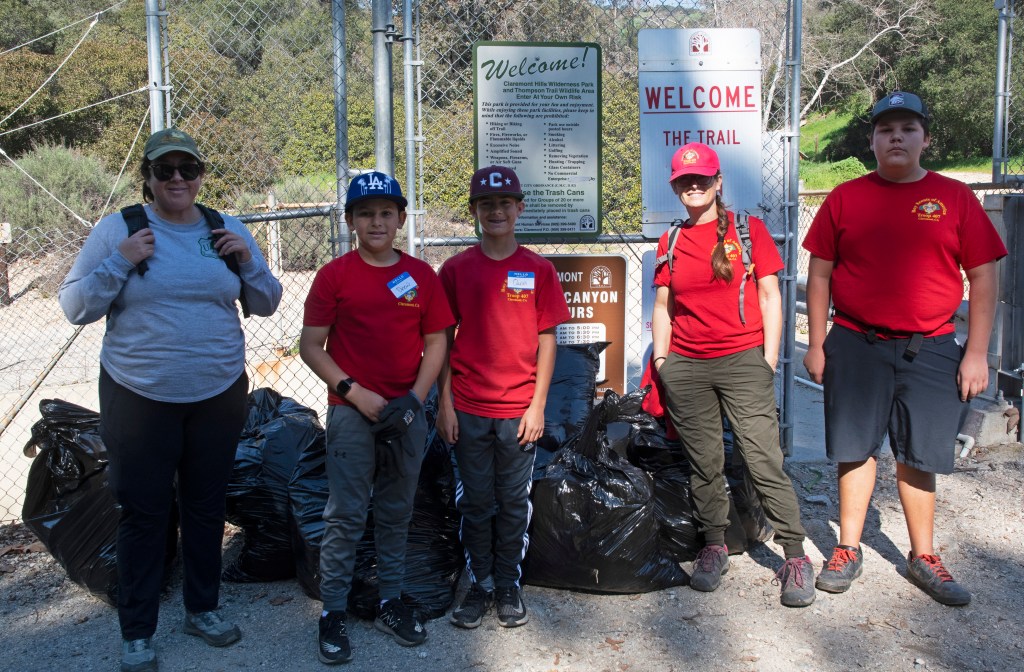
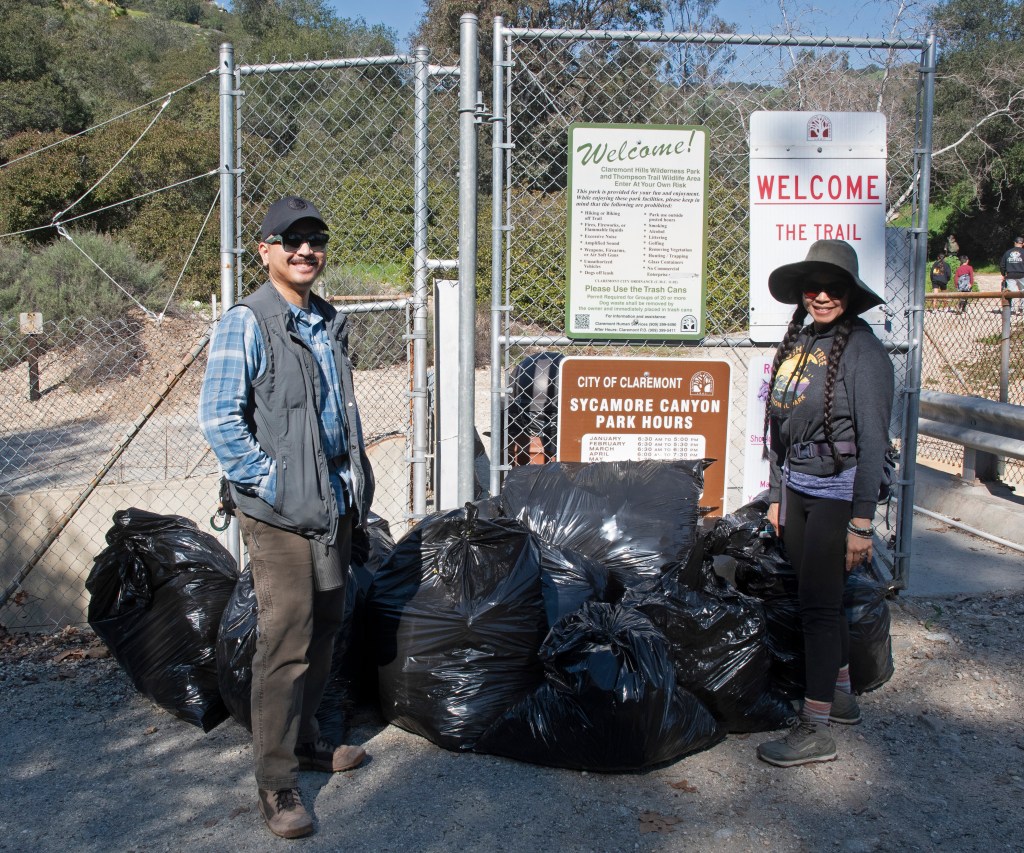
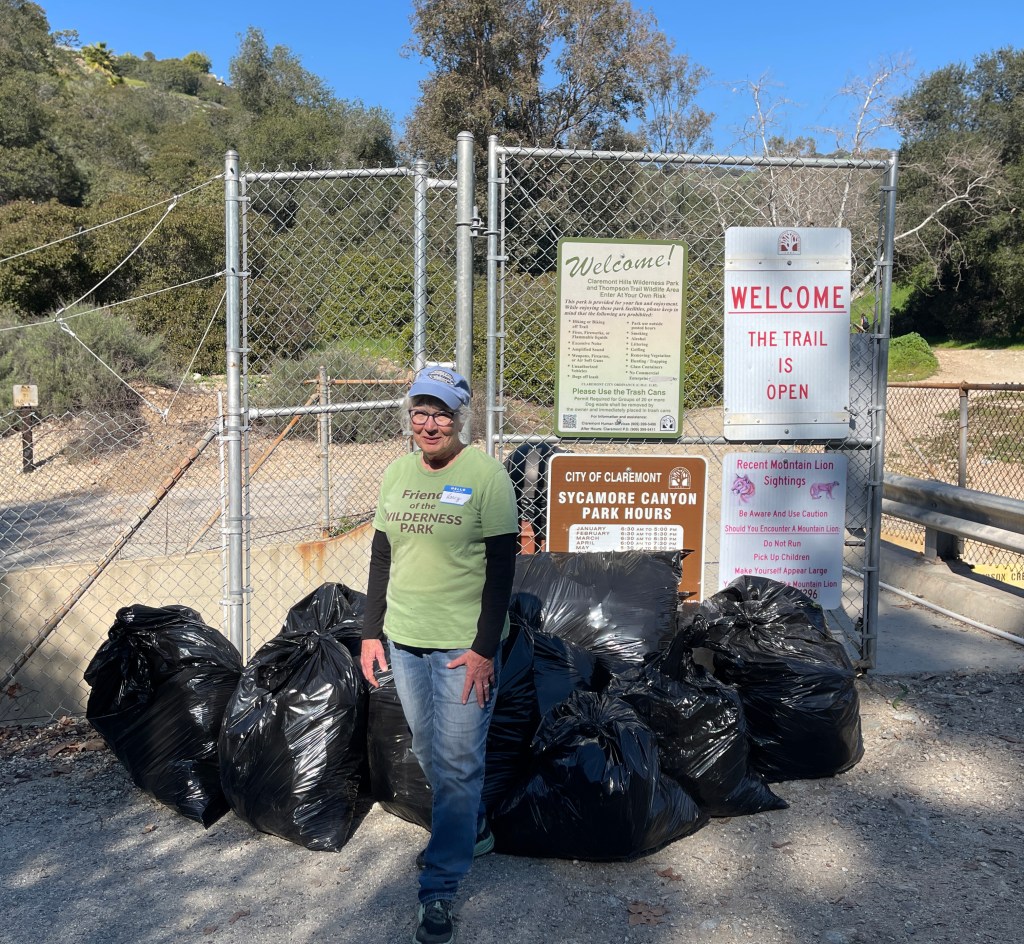
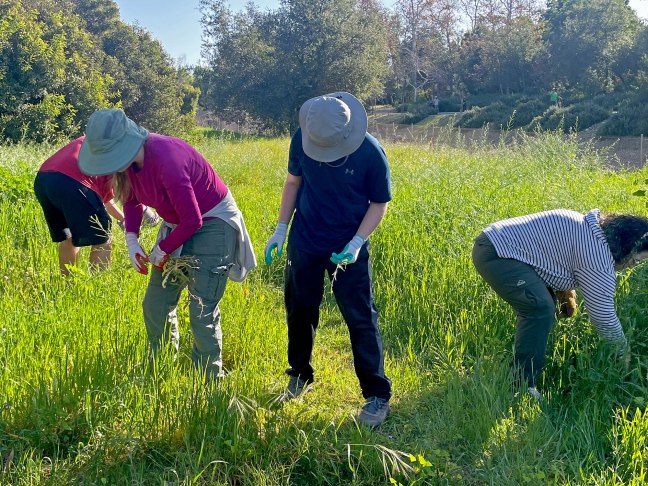
The Friends of the Wilderness Park held their first ever invasive plant removal event on Saturday, January 28, when a dedicated group of volunteers, including members of Boy Scout Troop 407, removed Sahara Mustard from the Sycamore Canyon Trail.

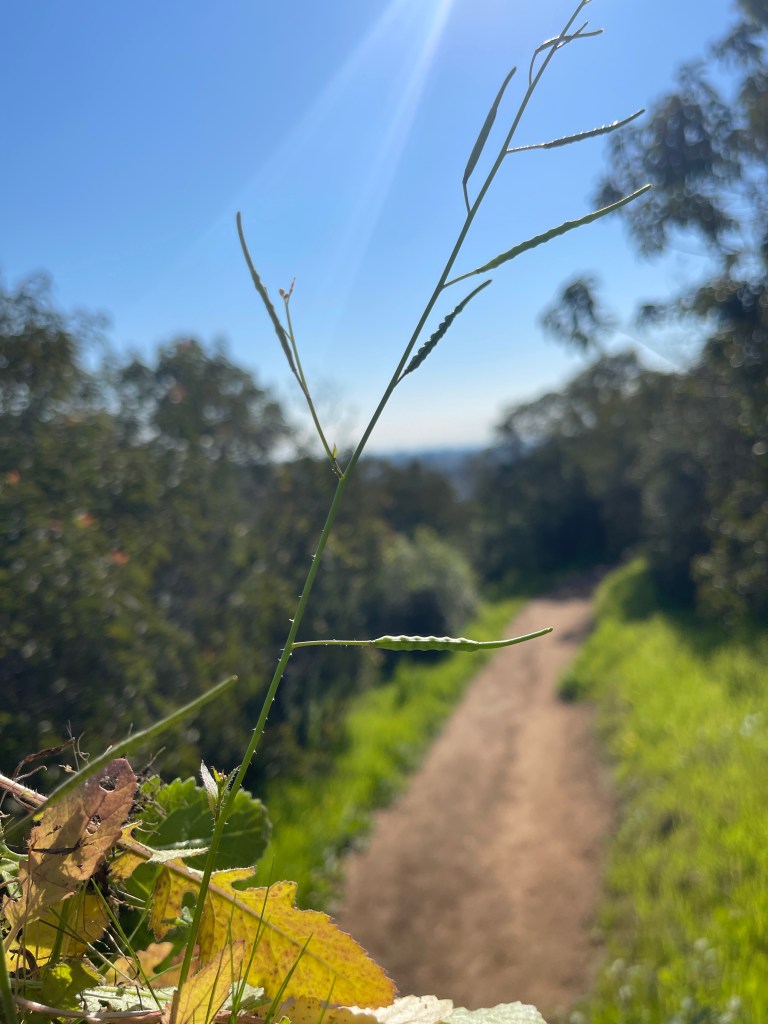
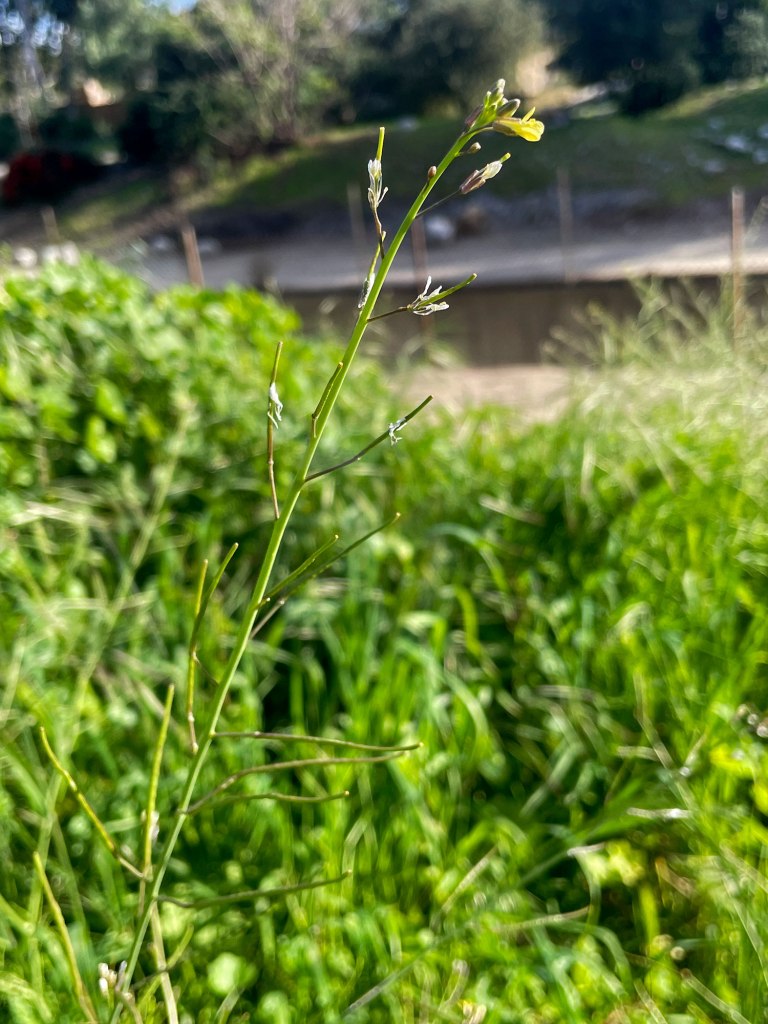
Sahara Mustard has done horrible damage to the desert east of her, displacing native wildflowers and other native plants as well as creating a fire hazard where none had existed previously. Fortunately, Sahara Mustard has only established a few relatively small infestations in the Wilderness Park, so we have an excellent chance of eradicating this pest.

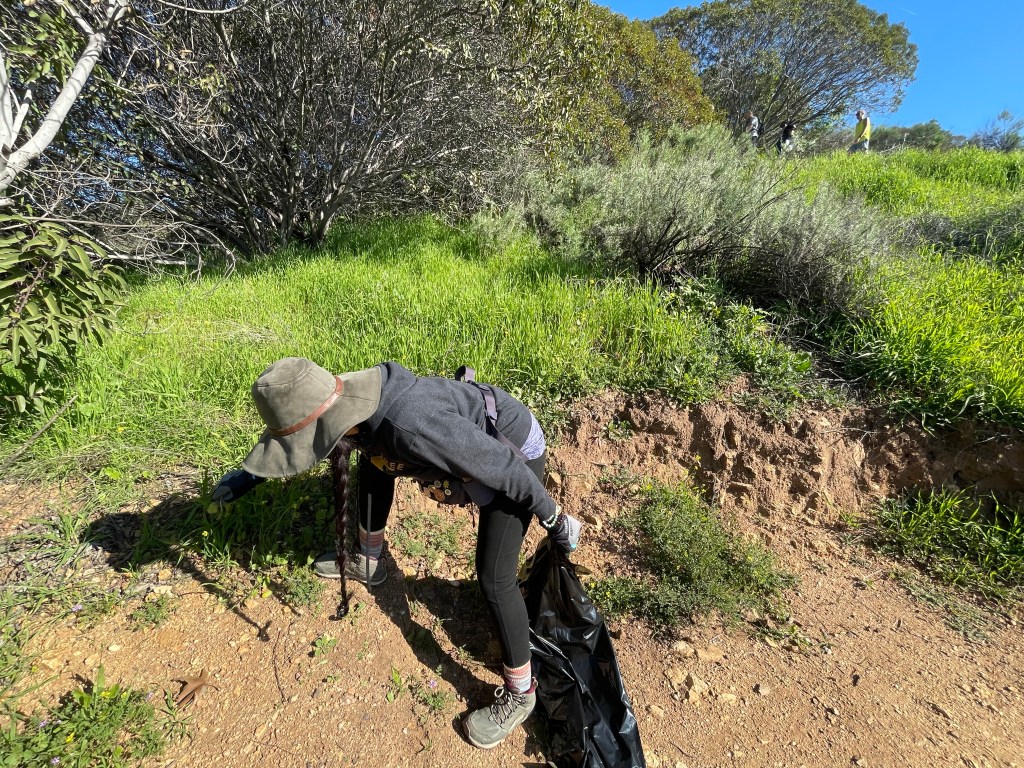
Two of the infestations are along the Sycamore Canyon Trail – one at the bottom of the trail and one about one-third of the way up. Although you always miss some, we tried to remove all of the mustard in both of those areas, and we filled 15 contractor bags full of mustard! It will take a few years before all the mustard is gone, as a seed bank has already been established, but we hope to see progress soon!

We hope to be having invasive plant removal events about once a month except for the hot part of the summer. If you’d like to get an announcement, just sign up for our email list.

Here are some photos from the mustard removal:
California Biodiversity “Day” in the Wilderness Park

Thanks to everyone who participated in California Biodiversity Day at the Wilderness Park on September 11, and thanks to the Park Rangers, who set up their canopy for us! During the official California Biodiversity Days, Sept. 4 – 12, seventeen new observations were reported to our iNaturalist project, including 14 taxa, of which 11 were identified to species.

Here are a few that were observed:
Telegraph Weed (Heterotheca grandiflora)

Telegraph Weed growing up Johnson’s Pasture Road on the “loop”. © Peri Lee · some rights reserved
Telegraph Weed – flower detail. © Peri Lee · some rights reserved

Telegraph Weed was the species most commonly reported in the Park during California Biodiversity Days. Its bright yellow flowers on tall stems (sometimes more than 5 ft) are a common sight in the Park in late summer and fall. It is a pioneer native species, growing along roadsides and in other disturbed sites.

The origin of the common name is hazy. Some think it’s because the tall, slim stalks stick up like telegraph poles. Others have suggested it’s because it readily colonized the areas disturbed by telegraph pole installation.

Threadleaf Groundsel (Senecio flaccidus)

Threadleaf Groundsel next to Palmer-Evey Mountainway. © travisbbotany · some rights reserved

Another late summer and fall bloomer, Threadleaf Groundsel’s bright yellow daisy-like flowers rise about the mass of pale gray-green threadlike leaves that give the shrub its common name. Many different bees like to visit Threadleaf Groundsel.

Small Carpenter Bee (Ceratina sp.)

A Small Carpenter Bee on California Aster (Corethrogyne filaginifolia) next to the Cobal Canyon Trail.
© Nancy Hamlett · some rights reserved

Small Carpenter Bees are related to the large carpenter bees you may have seen around your house, but they are much too small to be able to bore into wood to make their nests; instead they make their nests in the pithy stems of plants.

Woodland Skipper (Ochlodes sylvanoides)

A Woodland Skipper nectaring on Cliff Aster (Malacothrix saxatilis) next to the Cobal Canyon Trail.
© Nancy Hamlett · some rights reserved

Woodland Skippers are common in chaparral in the late summer and fall. The larval host plants are grasses, but the adults nectar on a wide variety of plants.

You can see all of the Biodiversity Day observations here.