Blog

BioBlitz in the Claremont Hills Wilderness Park – Friday, April 28 – Monday, May 1!

Please join the Friends of the Claremont Hills Wilderness Park Friday, April 28 – Monday, May 1, for a Wilderness Park BioBlitz in conjunction with the City Nature Challenge!

What is a BioBlitz?
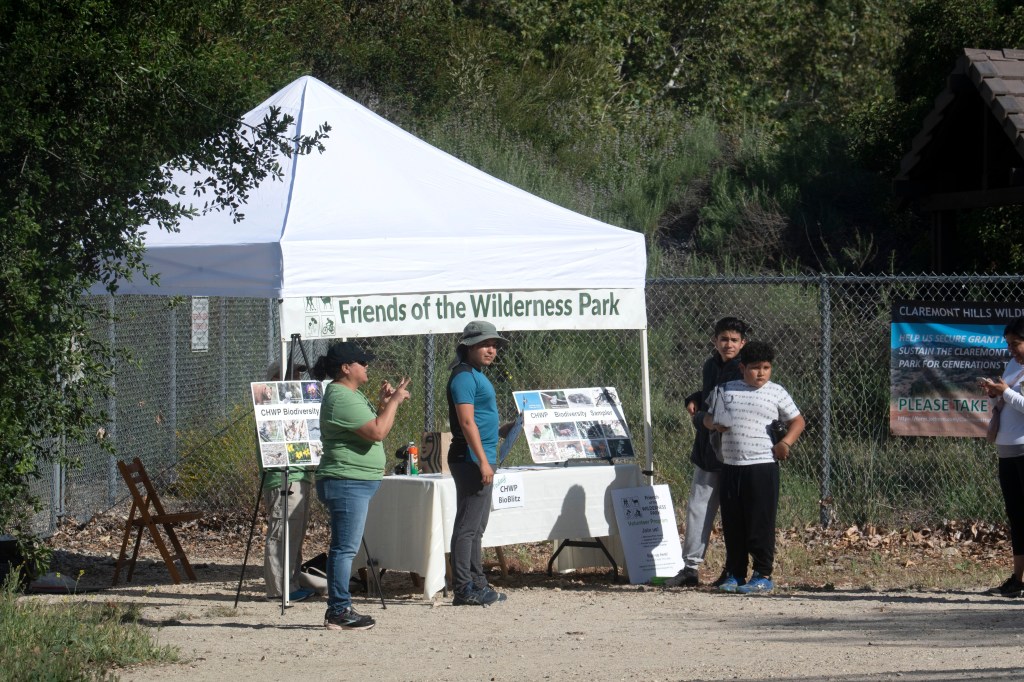
Vicki Salazar and Diego Tamayo at the 2022 City Nature Challenge BioBlitz explaining the BioBlitz to Park visitors. ©Nancy Hamlett.

A BioBlitz is a communal citizen-science effort to record as many species as possible within a designated location and time period.  It’s a great opportunity to meet other naturalists, scientists, and curious members of the public to meet in person in the great outdoors and learn about the plants and animals that live in the Wilderness Park.

How will the BioBlitz work?

Observers will look for plants and animals in the Park, take a photo (or multiple photos) of an organism, and upload the photos to iNaturalist. You can take photos with either your smartphone or a camera.

What is iNaturalist?

iNaturalist is an online social network of people sharing biodiversity information to help each other learn about nature. iNaturalist is a collaboration between National Geographic and the California Academy of Sciences.  Anyone can participate in iNaturalist!

If you’ll be taking photos with your smartphone, do the following before arriving on at the Park please:

  1. Go to iNaturalist.org and create a free account. You should see “SIGN UP” featured prominently on the homepage.   Otherwise, there’s a “Sign Up” link in the top right corner. Once you’ve signed up, you can enter observations from either your phone or computer.
  2. Go to the Apple Store or the Google Play store and download the iNaturalist app. You can then upload your photos to iNaturalist right from your phone. This video shows you how:
How to Make an Observation with the iNaturalist Mobile App from iNaturalist on Vimeo.

If you’ll be taking photos with a camera, you will upload them later through the web interface. This video shows you how:

How to Use iNaturalist’s Photo Uploader from iNaturalist on Vimeo.

Are guides or tutorials available for iNaturalist?

How do I add my observations to the BioBlitz record?

You don’t need to do anything to add your observations to the BioBlitz record.  All observations made in the Park on the BioBlitz day will be automatically collected and added to the City Nature Challenge and Biota of the Wilderness Park projects.

We hope you’ll join us for the BioBlitz!
Sahara Mustard Removal on the Sycamore Canyon Trail

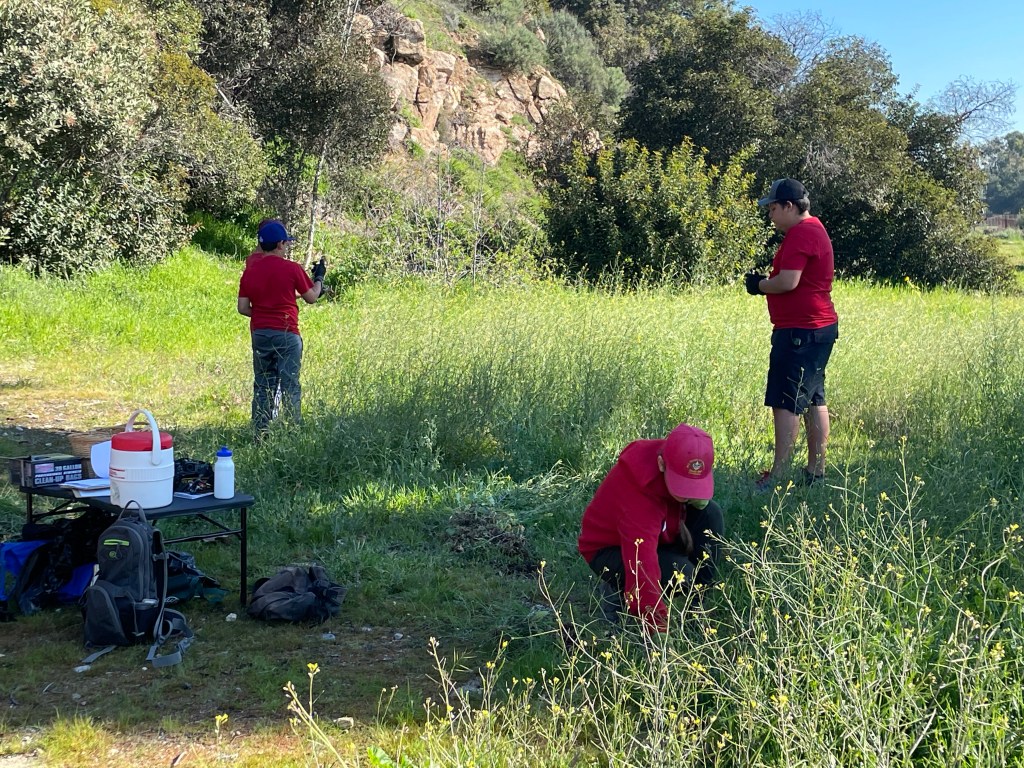
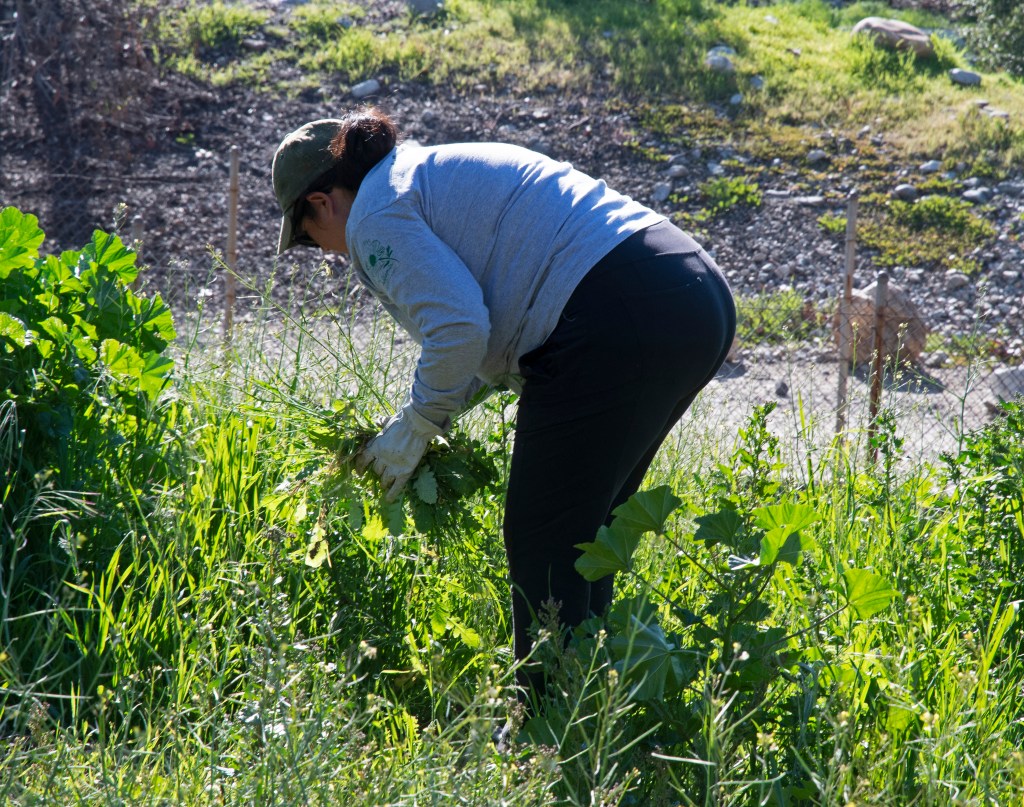
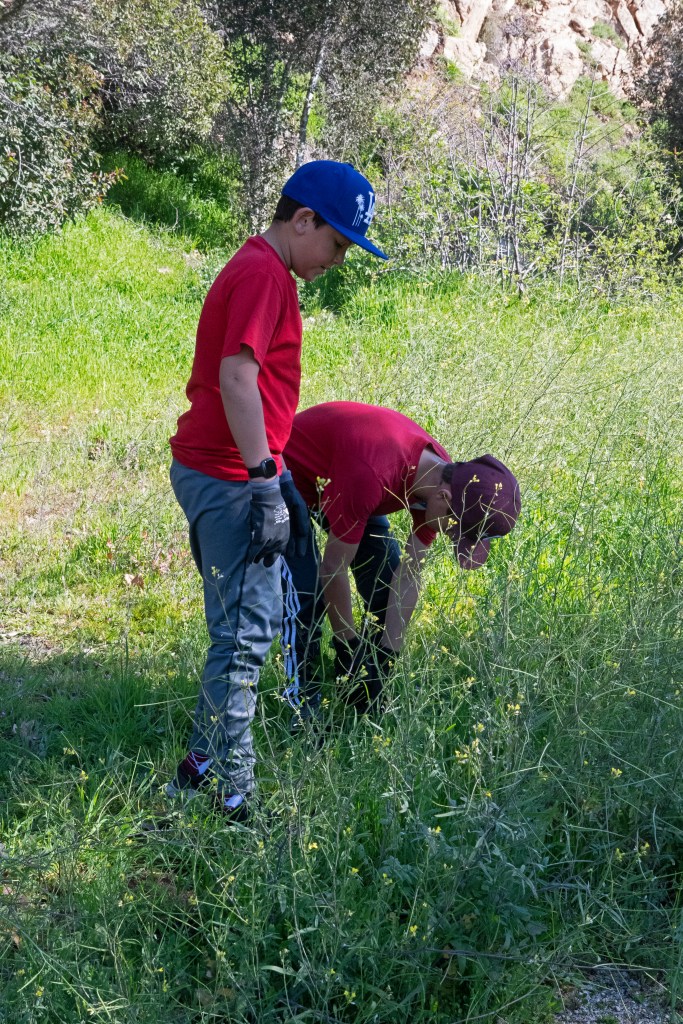
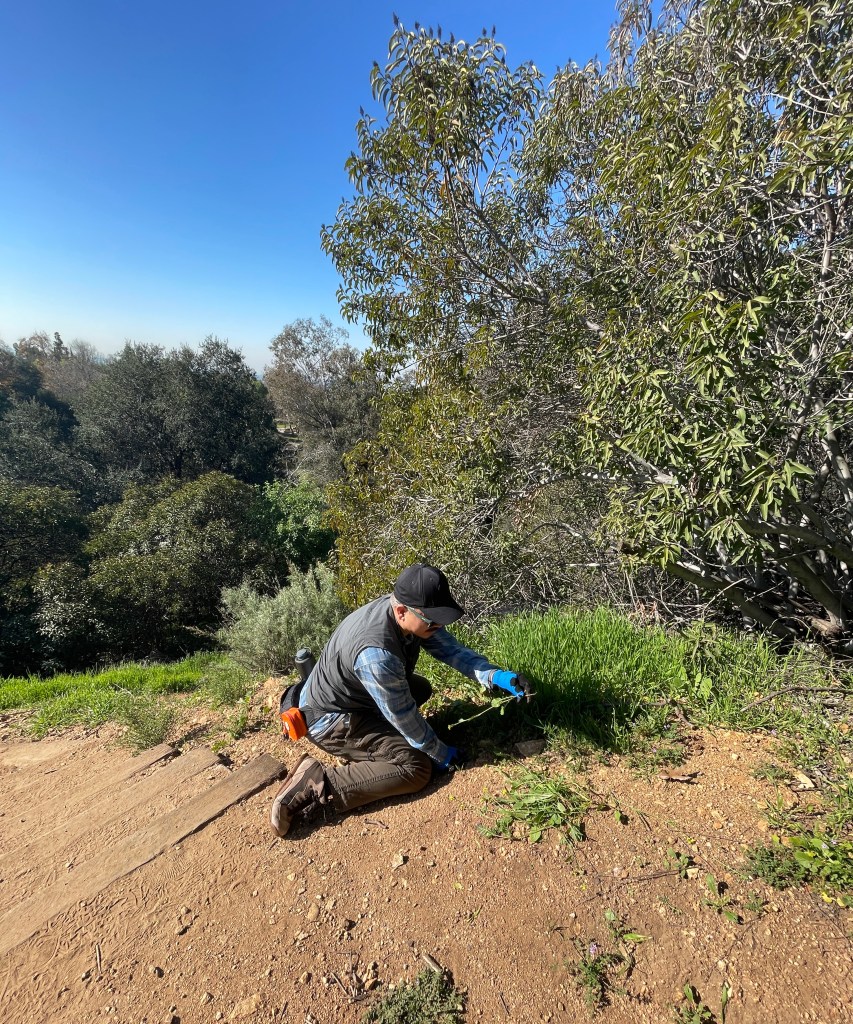
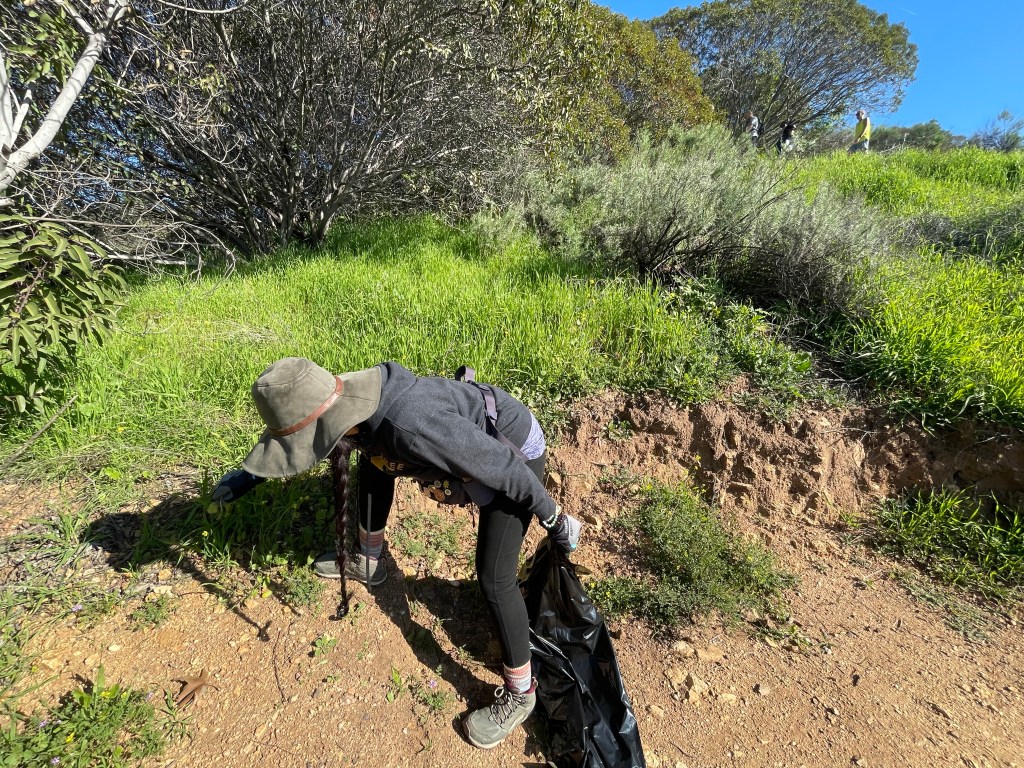
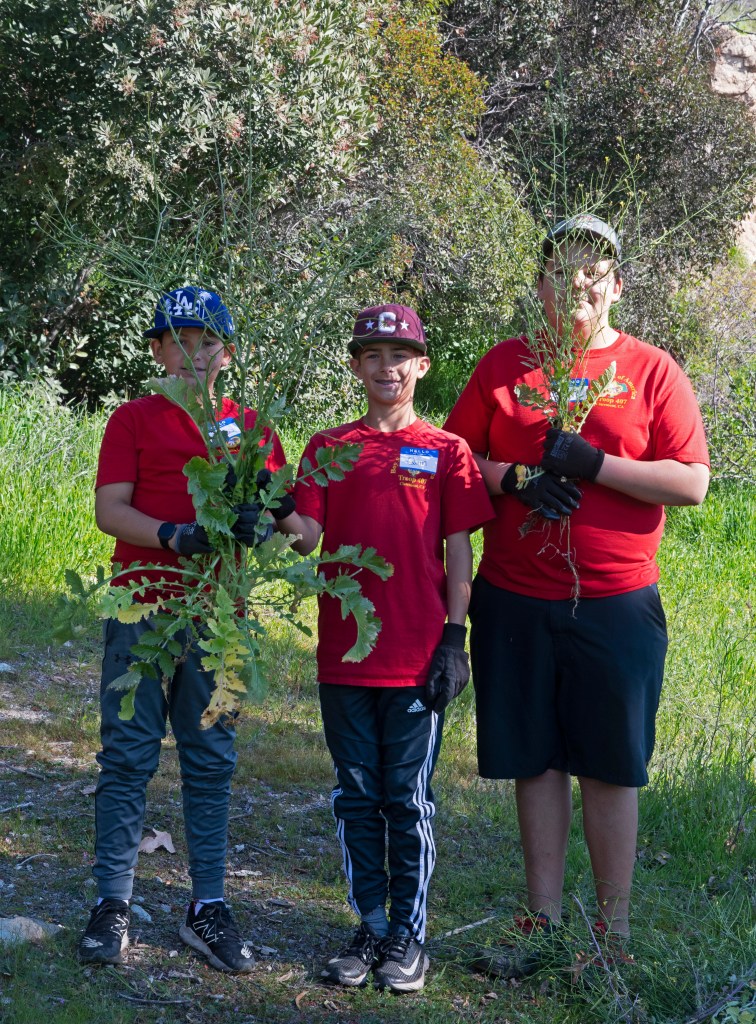
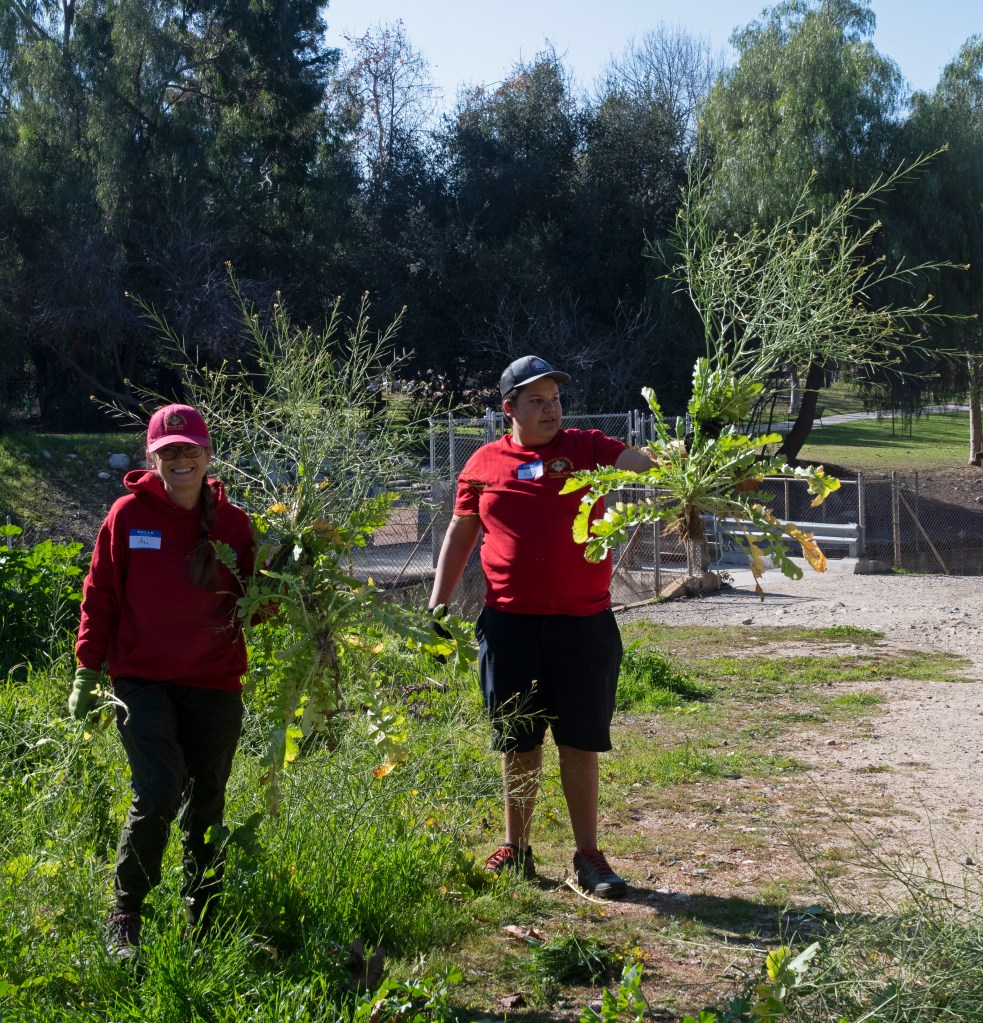
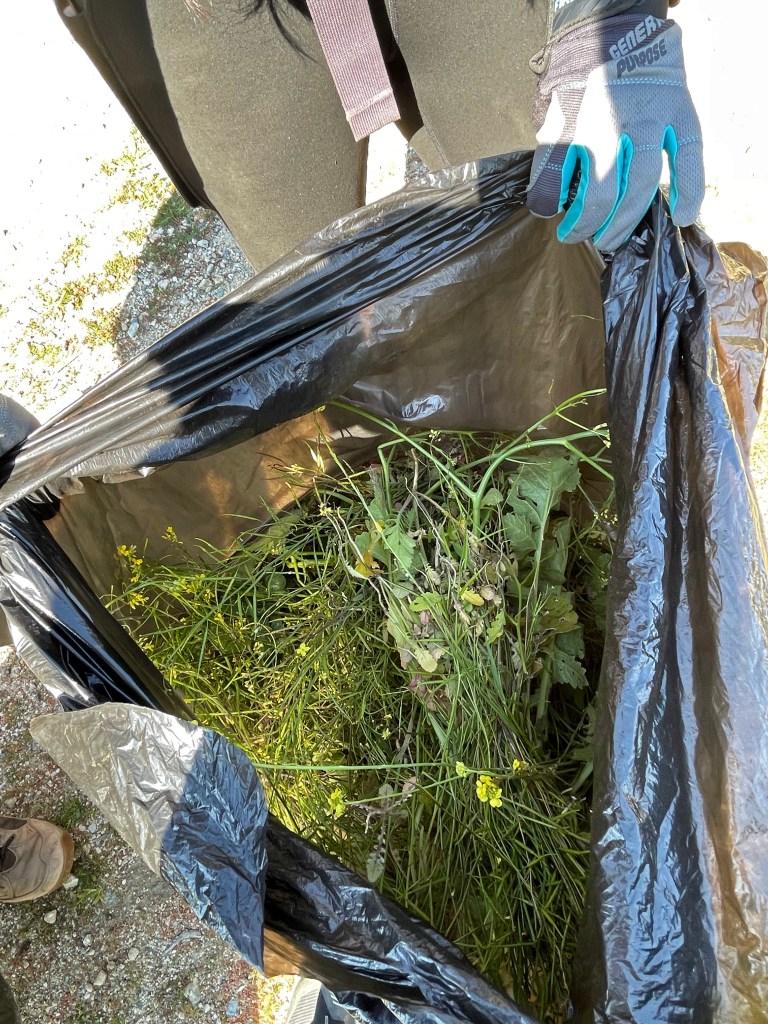
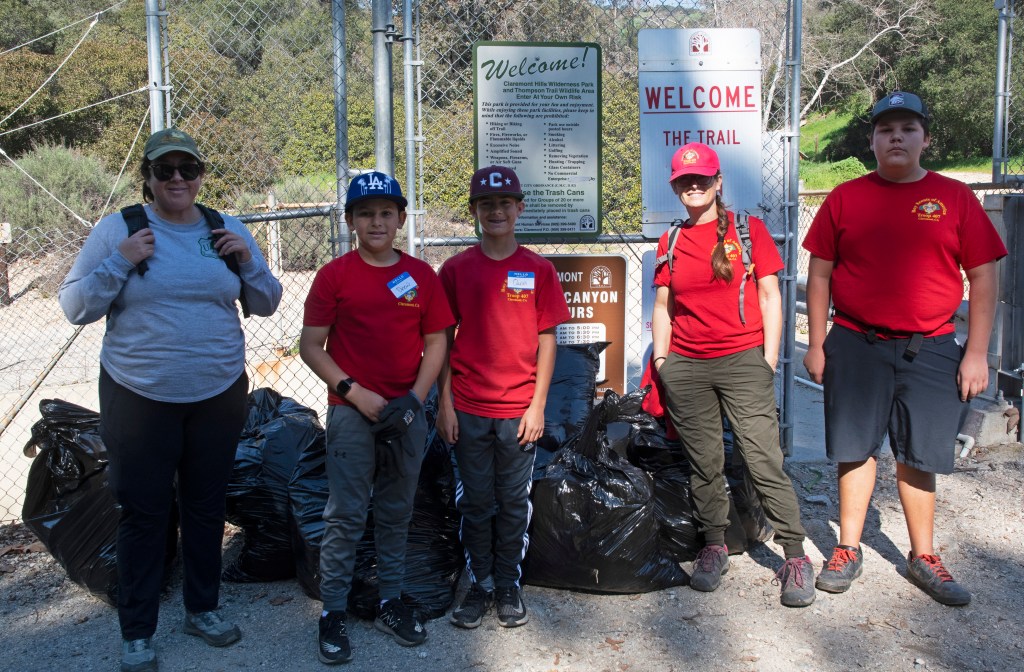
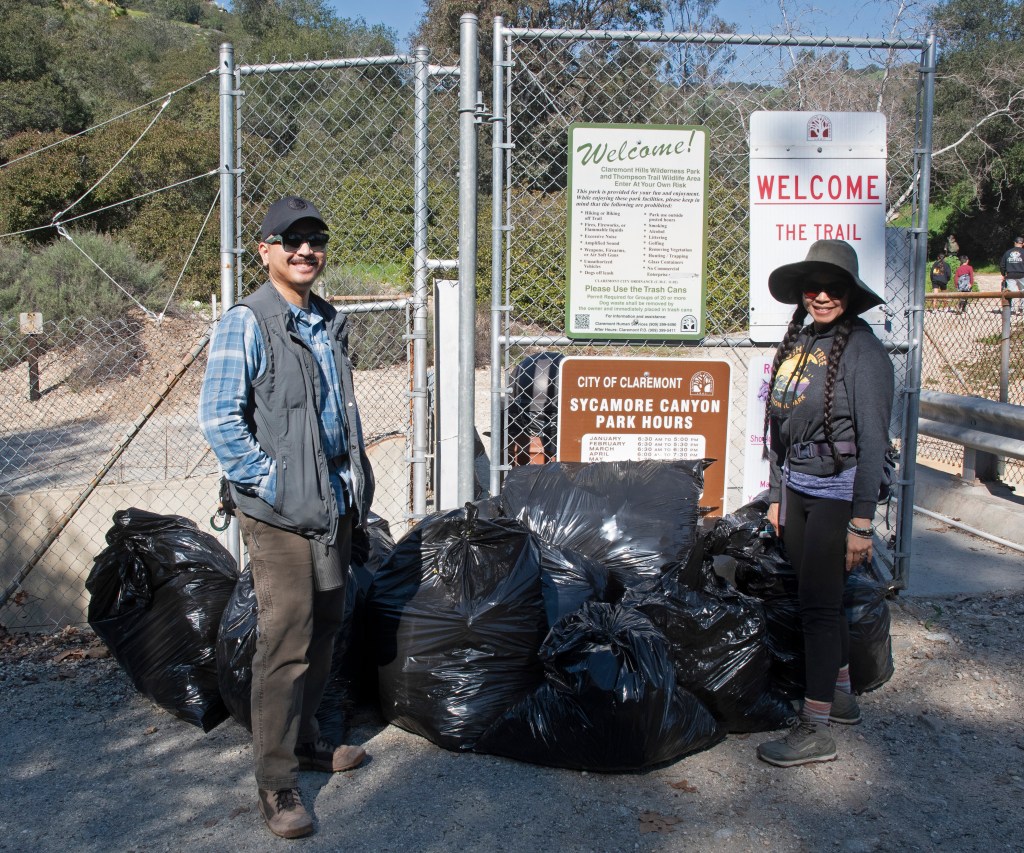
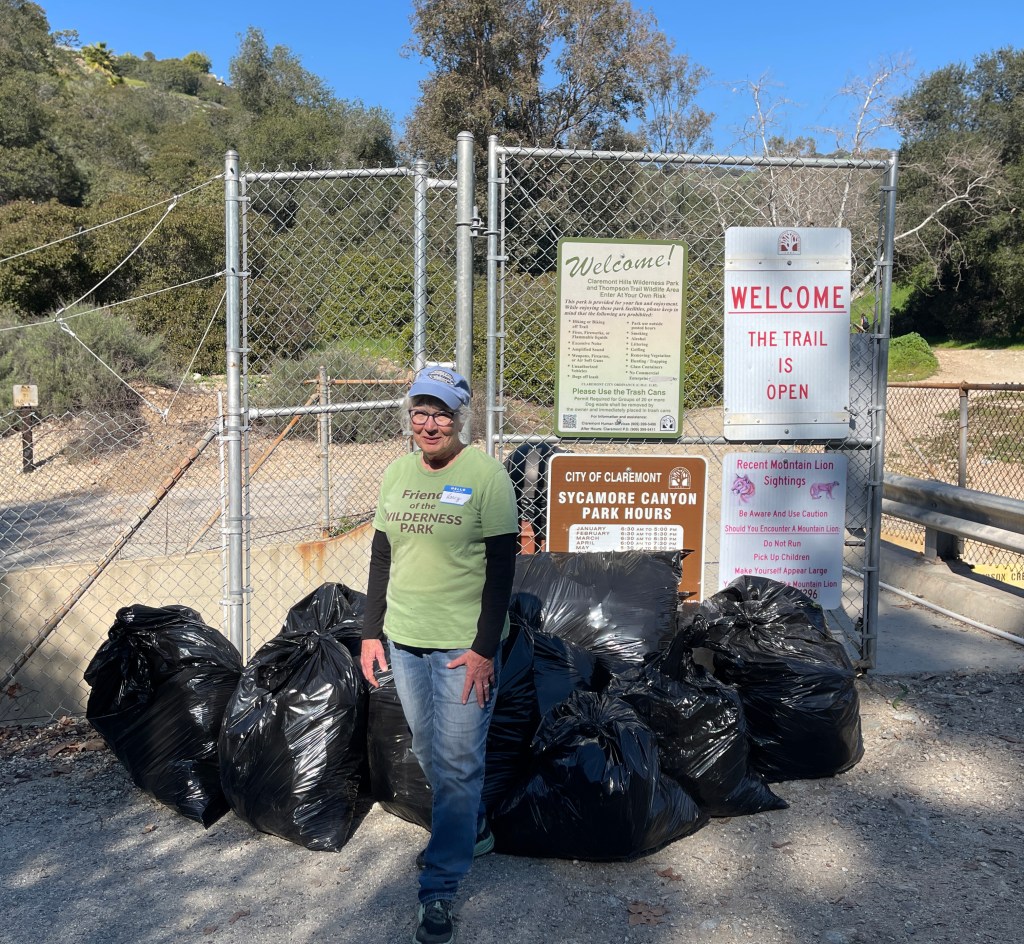
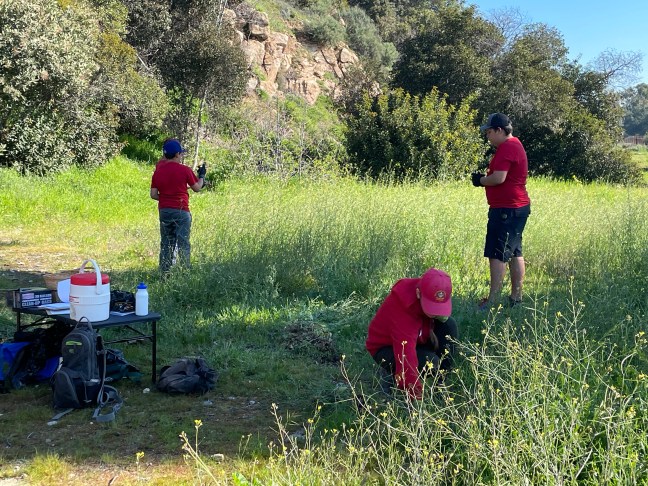
The Friends of the Wilderness Park held their first ever invasive plant removal event on Saturday, January 28, when a dedicated group of volunteers, including members of Boy Scout Troop 407, removed Sahara Mustard from the Sycamore Canyon Trail.

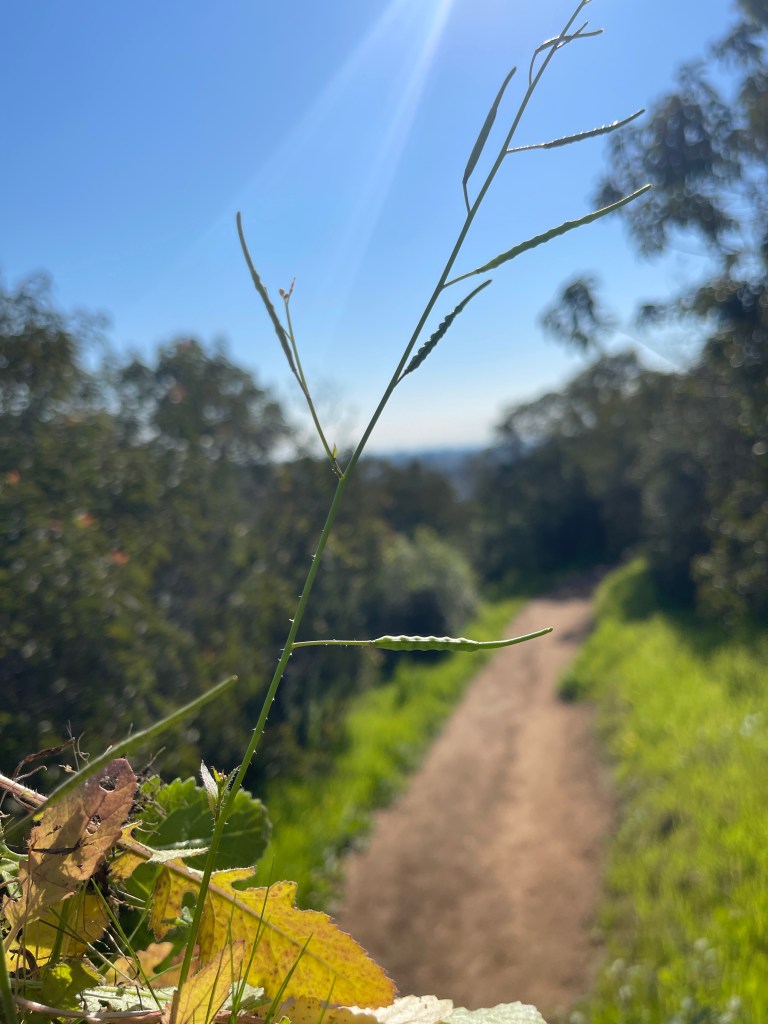
Sahara Mustard has done horrible damage to the desert east of her, displacing native wildflowers and other native plants as well as creating a fire hazard where none had existed previously. Fortunately, Sahara Mustard has only established a few relatively small infestations in the Wilderness Park, so we have an excellent chance of eradicating this pest.

Two of the infestations are along the Sycamore Canyon Trail – one at the bottom of the trail and one about one-third of the way up. Although you always miss some, we tried to remove all of the mustard in both of those areas, and we filled 15 contractor bags full of mustard! It will take a few years before all the mustard is gone, as a seed bank has already been established, but we hope to see progress soon!

We hope to be having invasive plant removal events about once a month except for the hot part of the summer. If you’d like to get an announcement, just sign up for our email list.

Here are some photos from the mustard removal:

The results of the City Nature Challenge CHWP BioBlitz are in!

On Saturday, April 30, the Friends of the Wilderness Park held a BioBlitz in the Claremont Hills Wilderness Park as part of the City Nature Challenge. (If you don’t know what a BioBlitz is, please check out our previous post.)

The City Nature Challenge official identification period is now over, and we are excited to report our results.  (Although if you have observations you haven’t posted yet from the BioBlitz, don’t worry, they will still be counted.)

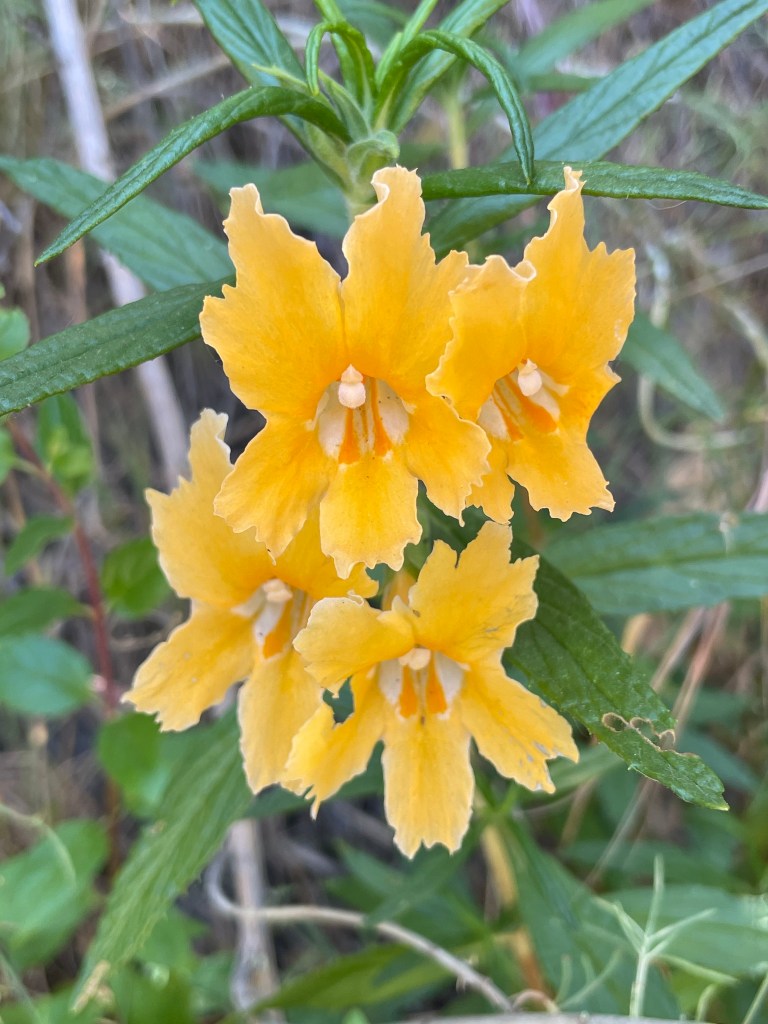
Southern Bush Monkeyflower (Diplacus longiflorus). Observation by ©Vicki Salazar.

Overall results

Eight observers made 197 observations of 95 different species during the BioBlitz.  Eighty percent of the observations reached “Research Grade”, which means that the iNaturalist community agreed on species-level ID, with more than 2/3 of identifiers agreeing on the species ID. You can see all the observations from the BioBlitz by clicking here.

Most observed species

Not surprisingly – since it’s at its showy peak right now – the most observed species was Southern Bush Monkeyflower (Diplacus longiflorus).

New species observed

Most exciting to us was the addition of 14 new taxa to our Biota of the Claremont Hills Wilderness Park project.  They included:

San Luis Blazingstar (Mentzelia micrantha). Observation by ©Carol Blaney.
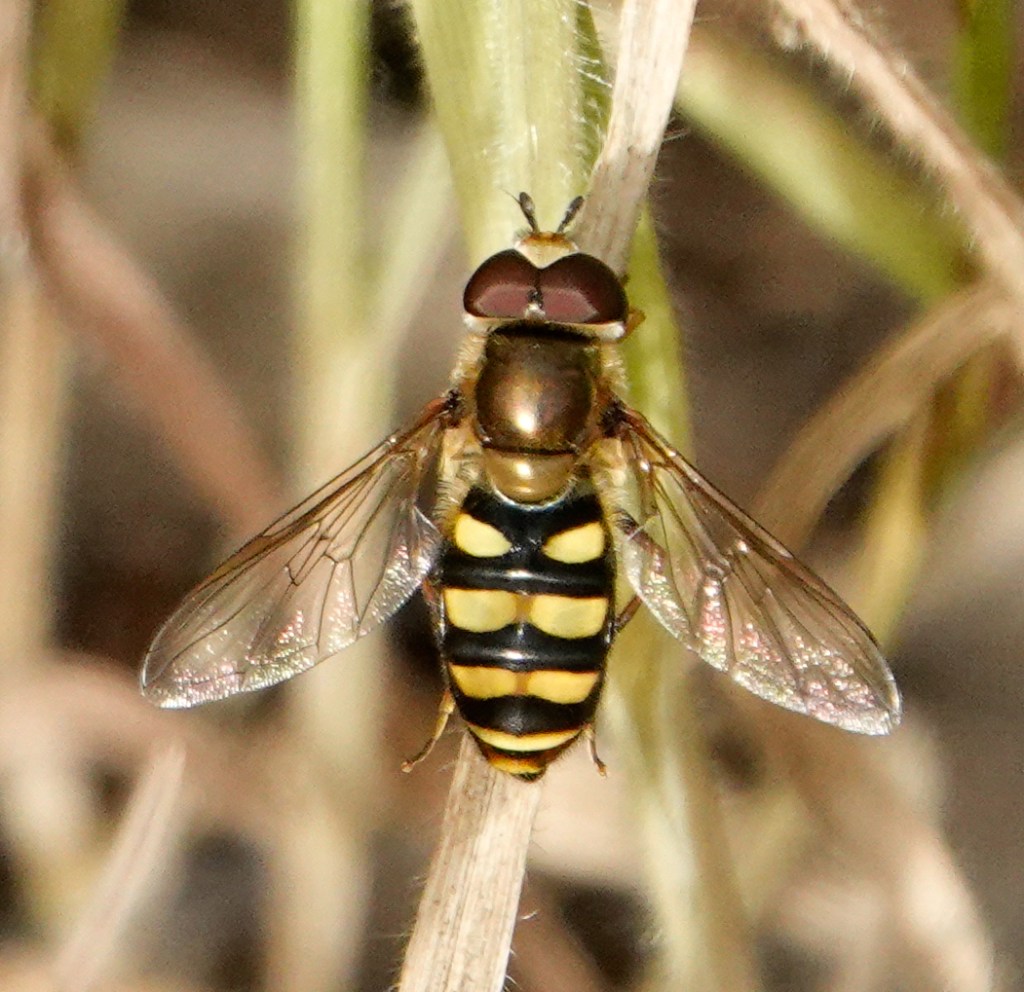
A Western Aphideater (Eupeodes fumipennis) – a syrphid fly. Observation by ©Carol Blaney.
  • Four plant species:
    • Southern California Clematis (Clematis pauciflora)
      This means we have two Clematis species in the Park
    • Pineapple-weed (Matricaria discoidea)
    • San Luis Blazingstar (Mentzelia micrantha)
    • Perennial Ryegrass (Lolium perenne)
      We’re not so excited about this non-native invasive grass, but it’s good to know it’s there
  • Nine insect taxa (1 bug, 4 beetles, a wasp, and 3 flies):
    • Aoplonema – a plant bug
    • Judolia sexspilota – a flower longhorn beetle
    • Ornate Checkered Beetle (Trichodes ornatus)
    • Apsena – a darkling beetle
    • Dichelonyx– a May beetle or Junebug
    • White-headed Bee Fly (Bombylius albicapillus)
    • Euodynerus – a potter wasp
    • Chrysopilus – a snipe fly
    • Western Aphideater (Eupeodes fumipennis)
  • One bird species:
    • Hutton’s Vireo (Vireo huttoni)
      You can listen to it here

Coolest observation

Vegetarian bugs go rogue and try to make a meal of blister beetles!

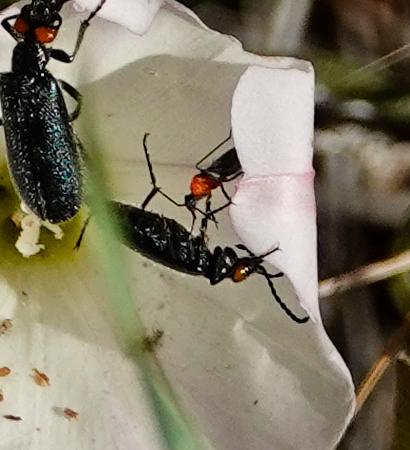
A mirid plant bug (Aoplonema sp.) attacking a Red-eared Blister Beetle (Lytta auriculata). Observation by ©Carol Blaney.

“Coolest” is, of course, subjective, but our pick is Carol Blaney’s observation of a pair of mirid plant bugs (Aoplonema sp.) attacking two mating Red-eared Blister Beetles (Lytta auriculata).  As she describes the encounter, “The Aoplonema pair advanced on the mating Lyttas. One mirid repeatedly probed the tarsal claws of the female, which she twisted away to avoid, as best she could while mating. The other probed the underside of the male Lytta (as shown in this photo).

What made this encounter strange is that the attacking bugs were mirids = plant bugs.  Aren’t they supposed to eat plants?  What were they doing going after blister beetles? A tip from identifier K. Schneider pointed us to the answer.

It turns out that some mirids are predatory and eat other insects, and that Aoplonema are particularly attracted to blister beetles.  These aptly named beetles secrete a compound, cantharidin, which causes severe blistering on the skin and is poisonous when ingested. Cantharidin is generally a defense against predators, and blister beetles coat their eggs with it to deter predators. Paradoxically, cantharidin is an attractant to Aoplonema. They use it to home in on blister beetles and then proceed to insect their mouth parts membranous regions between segments of the blister beetles’ hard exoskeletons to suck out their hemolymph.  Yikes!  It truly is a dog-eat-dog – or in this case a bug-eat-beetle – world out there!

The link to the observation with all the fascinating comments is: https://www.inaturalist.org/observations/114324027.

Many thanks to:

  • All the folks who staffed our booth – Vicki Salazar, Meg Mathias, Scott Marnoy, Diego Tamayo, Glen Morrison, Drew Ready, and Nancy Hamlett.
  • All the observers who contributed their sightings – Carol Blaney, Dave Bedell, Donna Bedell, Vicki Salazar, Carson Barry, Mark Coast, Laura Roach, and Nancy Hamlett
  • All 43 identifiers!

BioBlitz in the Claremont Hills Wilderness Park – Saturday, April 30!

Please join the Friends of the Claremont Hills Wilderness Park on Saturday, April 30, for a Wilderness Park BioBlitz in conjunction with the City Nature Challenge

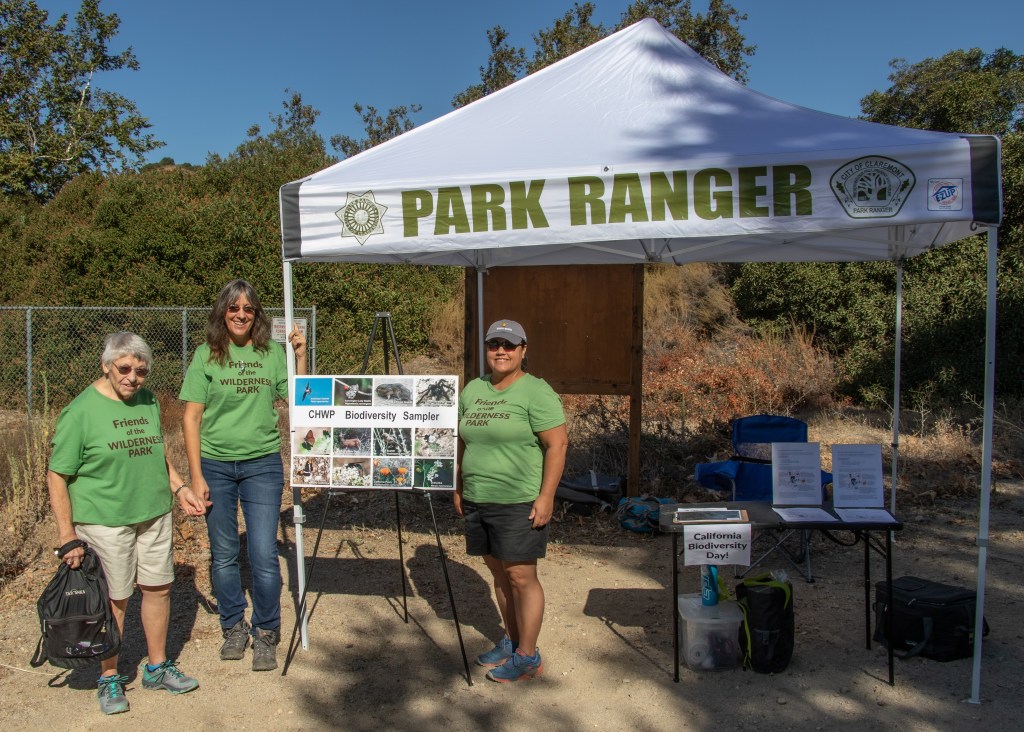
The Friends booth for the California Biodiversity Day BioBlitz in 2019.

What is a BioBlitz?

A BioBlitz is a communal citizen-science effort to record as many species within a designated location and time period as possible.  It’s a great opportunity to meet other naturalists, scientists, and curious members of the public to meet in person in the great outdoors and learn about the plants and animals that live in the Wilderness Park.

How will the BioBlitz work?

Observers will look for plants and animals in the Park, take a photo (or multiple) phots of an organism, and upload the photos to iNaturalist.

What is iNaturalist?

iNaturalist is an online social network of people sharing biodiversity information to help each other learn about nature. iNaturalist is a collaboration between National Geographic and the California Academy of Sciences.  Anyone can participate in iNaturalist!

Before arriving on Saturday please:

  1. Go to iNaturalist.org and create a free account. You should see “SIGN UP” featured prominently on the homepage.   Otherwise, there’s a “Sign Up” link in the top right corner.
  2. On your smart phone, go to the Apple Store or the Google Play store and download the iNaturalist app.
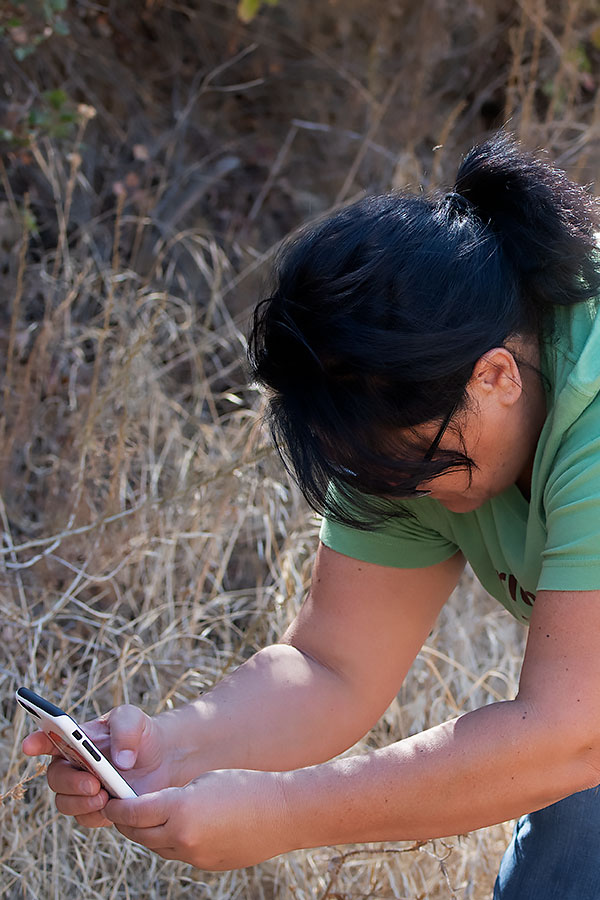
Vicki Salazar makes an observation with her smartphone.

Once you’ve signed up, you can enter observations from either your phone or computer.

Can I get help in learning to use iNaturalist?:

Yes, indeed!  If you’re new to iNaturalist and would like instruction or training on how to use the app, two great opportunities coming up just in time for the BioBlitz:

  • Virtual iNaturalist Training
    Tuesday, April 26, 7:00–8:00 pm
    Zoom (register to get the link)

    Free!
    Free online iNaturalist training with experts from the Natural History Museum of Los Angeles County, Aquarium of the Pacific, and the National Wildlife Federation. Learn how to participate in the City Nature Challenge and other community science projects by turning your photos of plants, animals, and other wildlife into data points for science!
    Register in advance for Zoom link at https://bit.ly/INat-april26. (Event will also live stream on Youtube with captions)
  • Introduction to iNaturalist
    Saturday, April 30, 10:00am–12:00 pm
    California Botanic Garden
    Adult $16 | CalBG member $11 | Student $9

    The class will be led by botanist and photographer Keir Morse, who will break down the features of iNaturalist and teach you the best ways to log your finds and photograph plants so that they can be accurately identified. Keir will also introduce you to some of the more advanced features of the website. You can attend the class, then head over to the Wilderness Park while all of Keir’s tips are fresh in your mind.

Are guides or tutorials available for people who cannot attend an iNaturalist training event?

How do I add my observations to the BioBlitz record?

You don’t need to do anything to add your observations to the BioBlitz record.  All observations made in the Park on the BioBlitz day will be automatically collected and added to the City Nature Challenge and Biota of the Wilderness Park projects.

How does one sign up for the BioBlitz?

You can sign up here or you can register at the Park. You can also make observations without signing up, but if you sign up, you’ll get a report of the results.