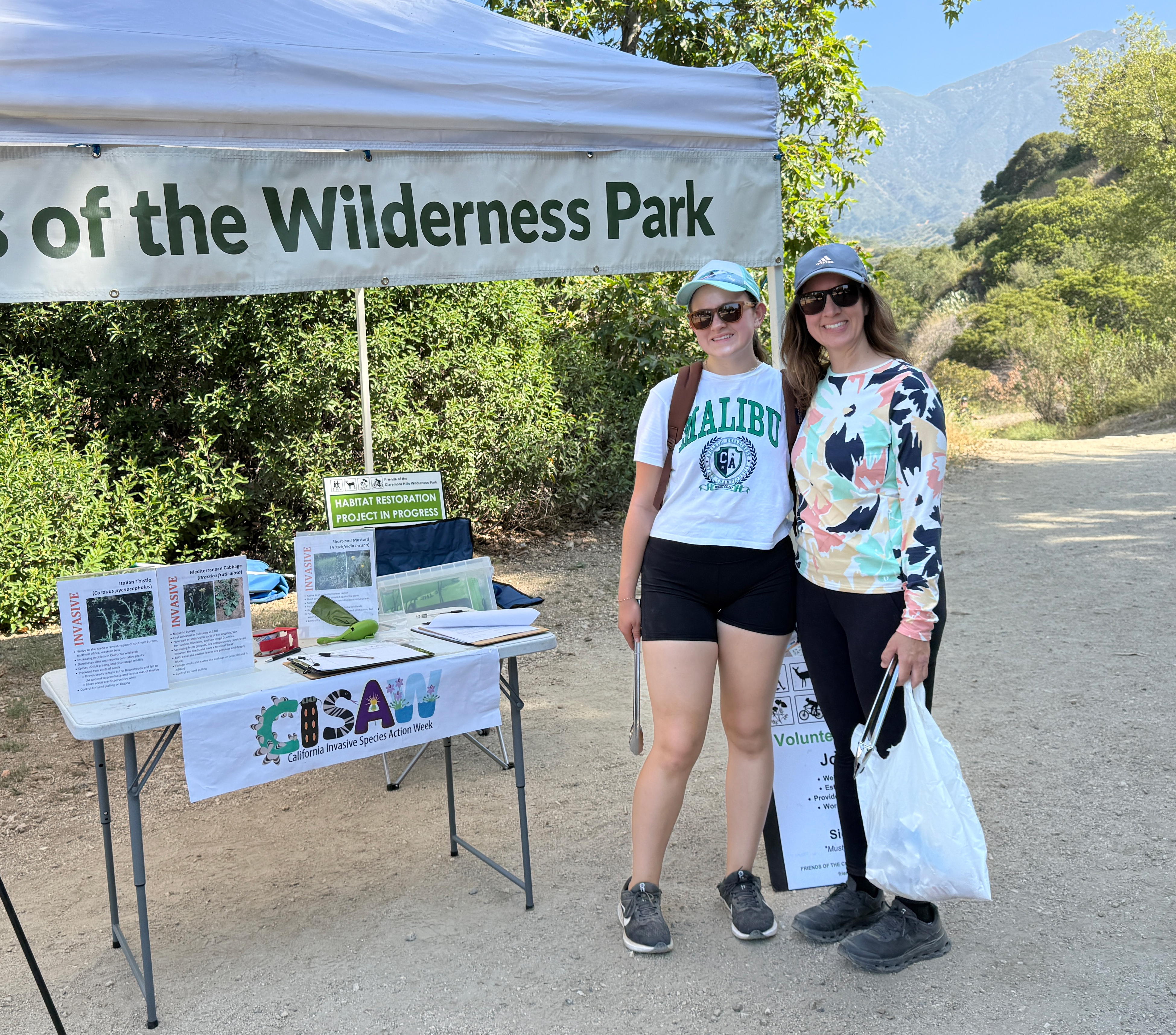
This year Saturday, June 7 – Sunday, June 15 was California Invasive Species Action Week, a statewide, week-long event created to increase public awareness of invasive species in our state and to promote public participation year round in invasive species management.
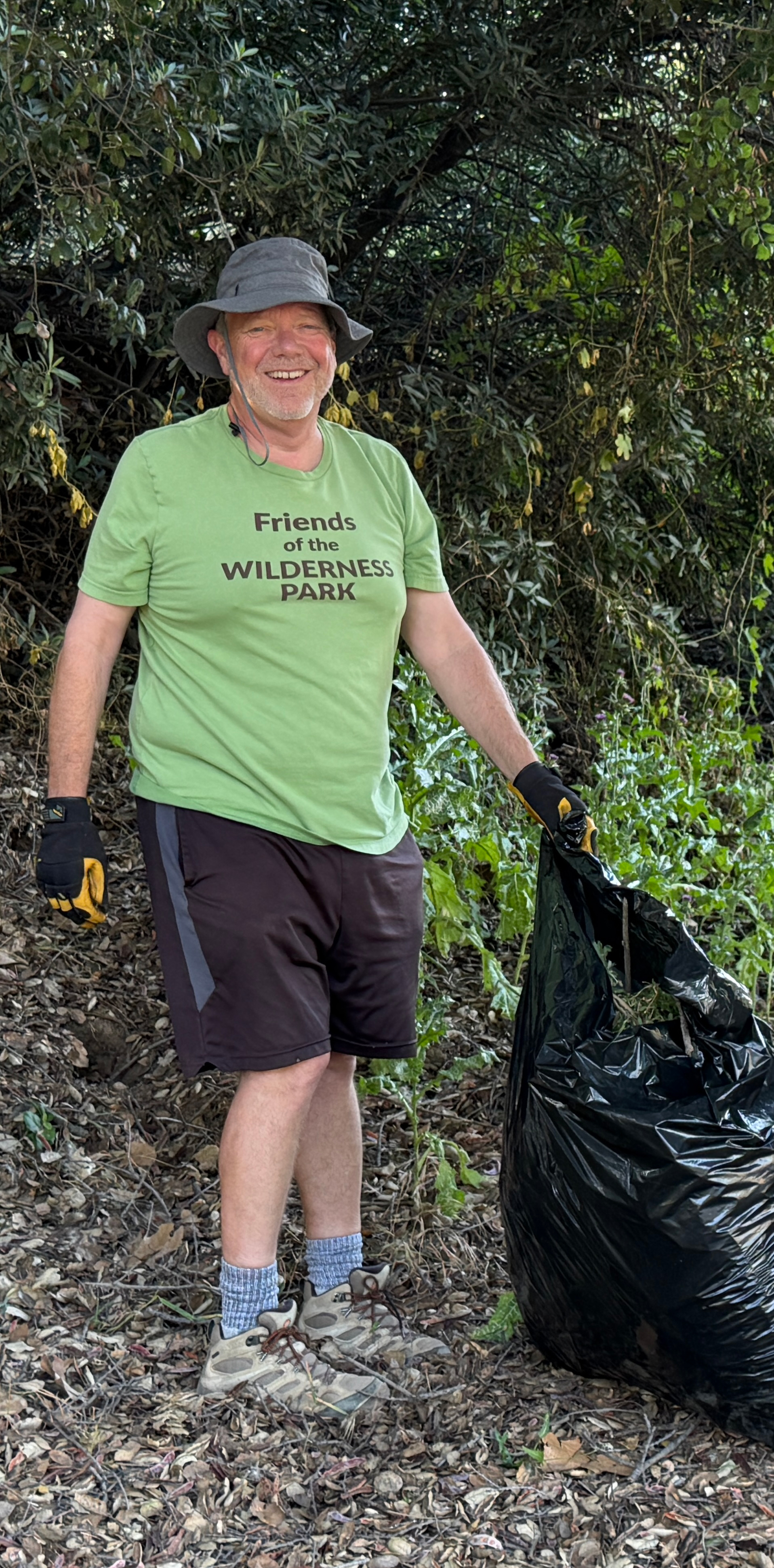
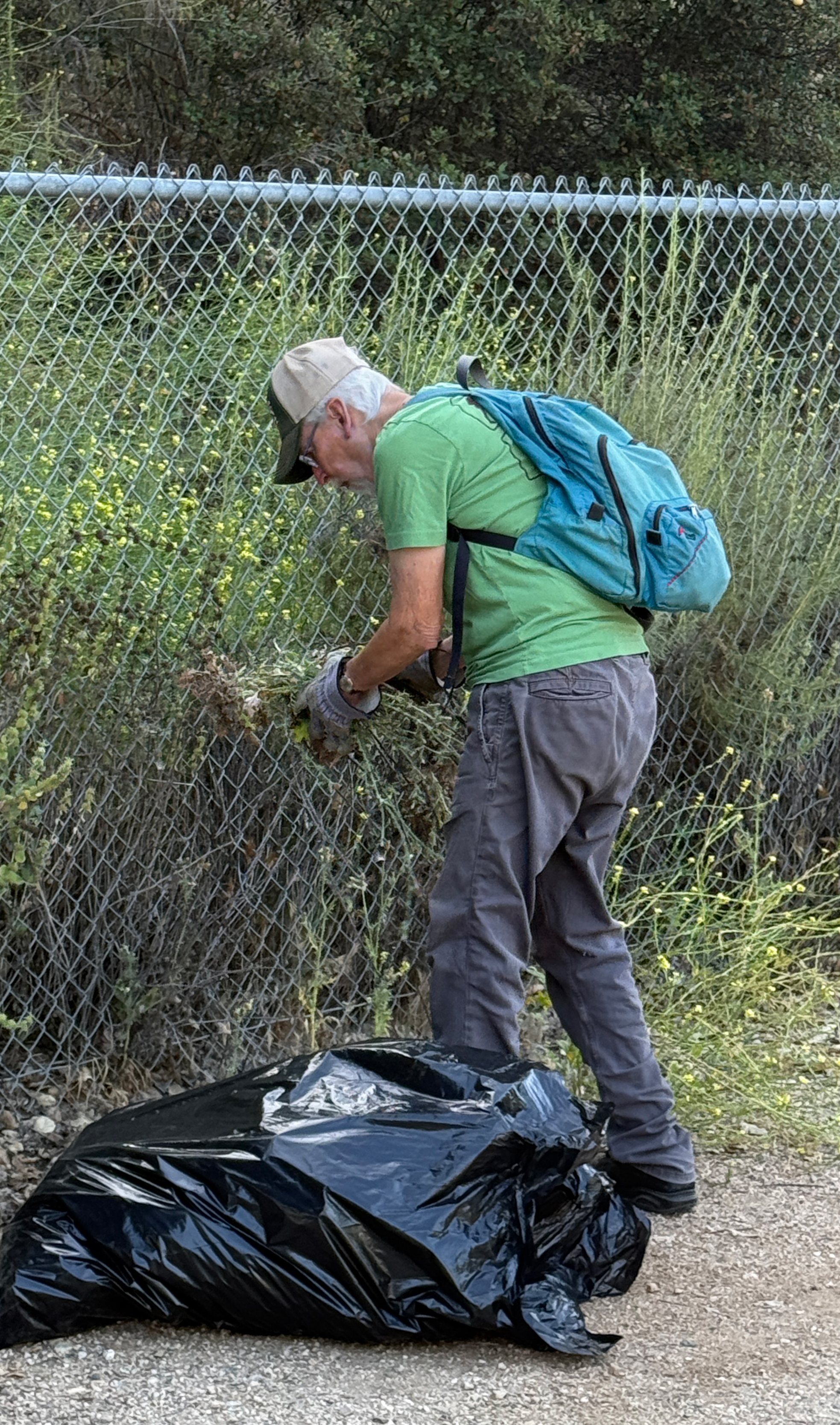
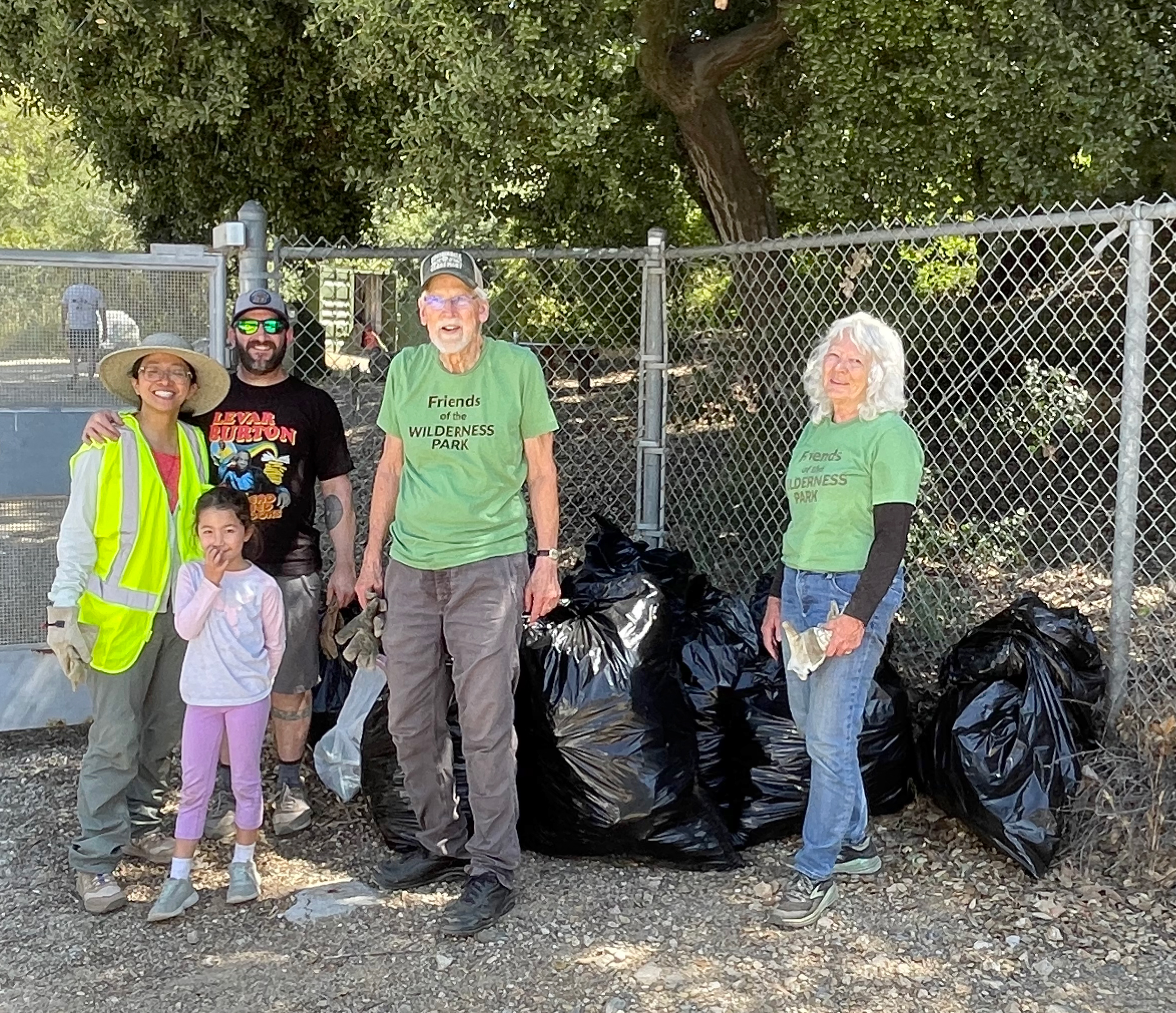
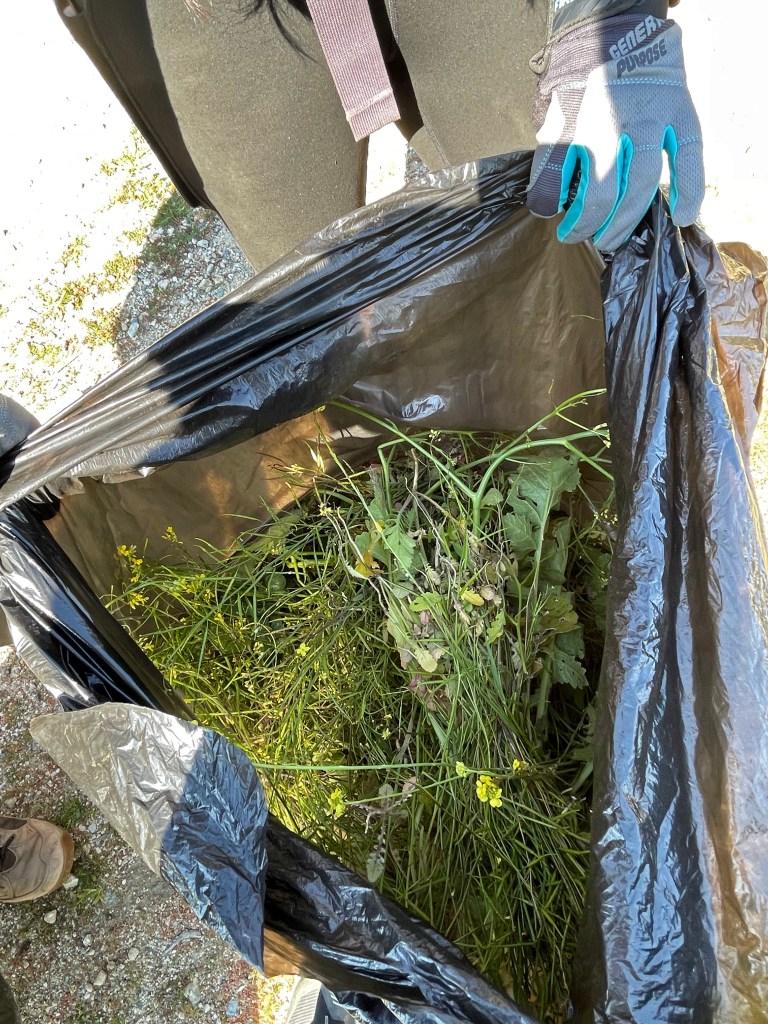
For our June 14 Second Saturday event, we removed invasive mustard – including Short-pod Mustard (Hirschfeldia incana), Mediterranean Cabbage (Brassica fruticulosa), Oriental Mustard (Sisymbrium orientale), and Hedge Mustard (Sisymbrium officinale) – and Italian Thistles (Carduus pycnocephalus) from areas near the Park entrance that are being revegetated with native plants.
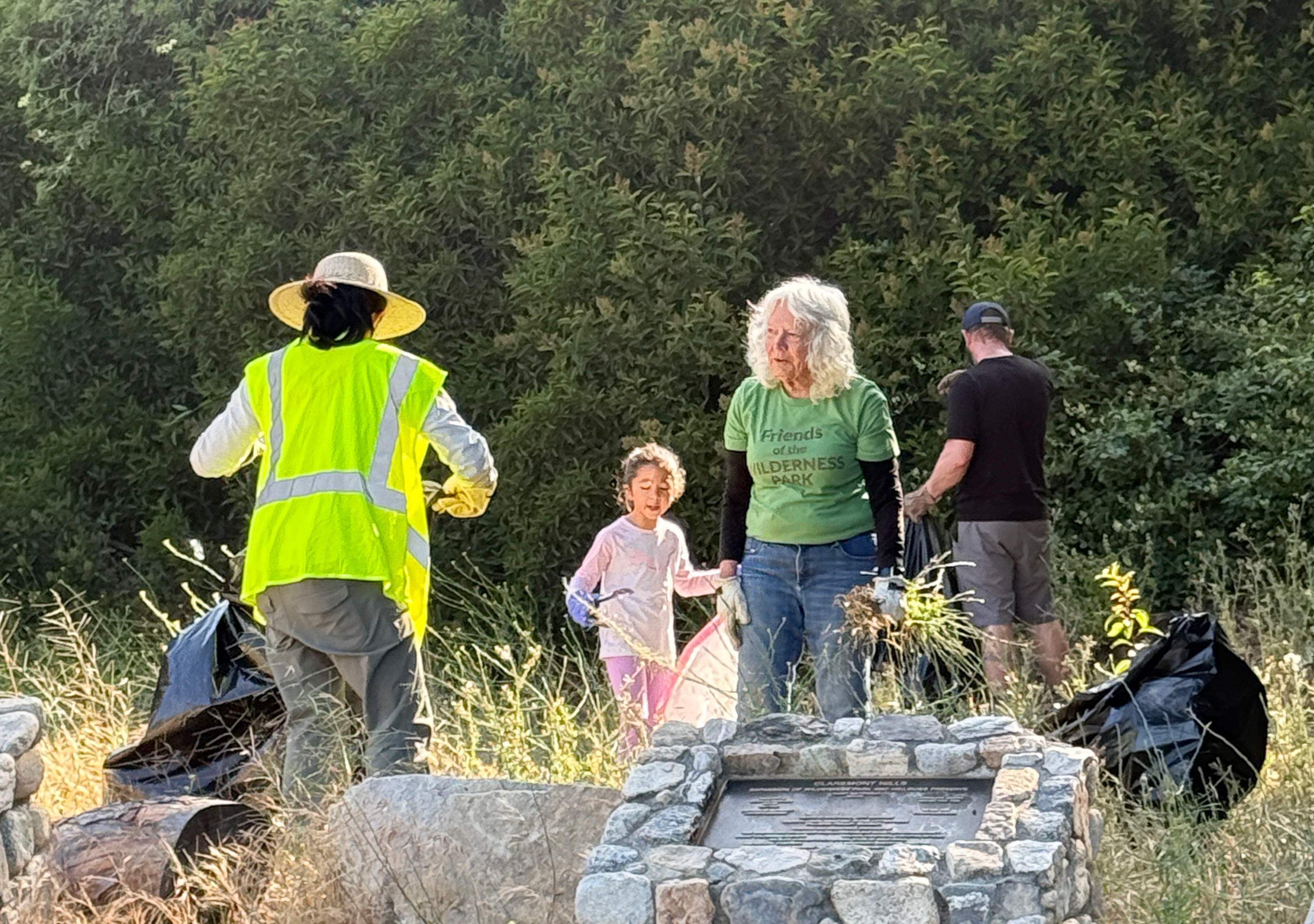
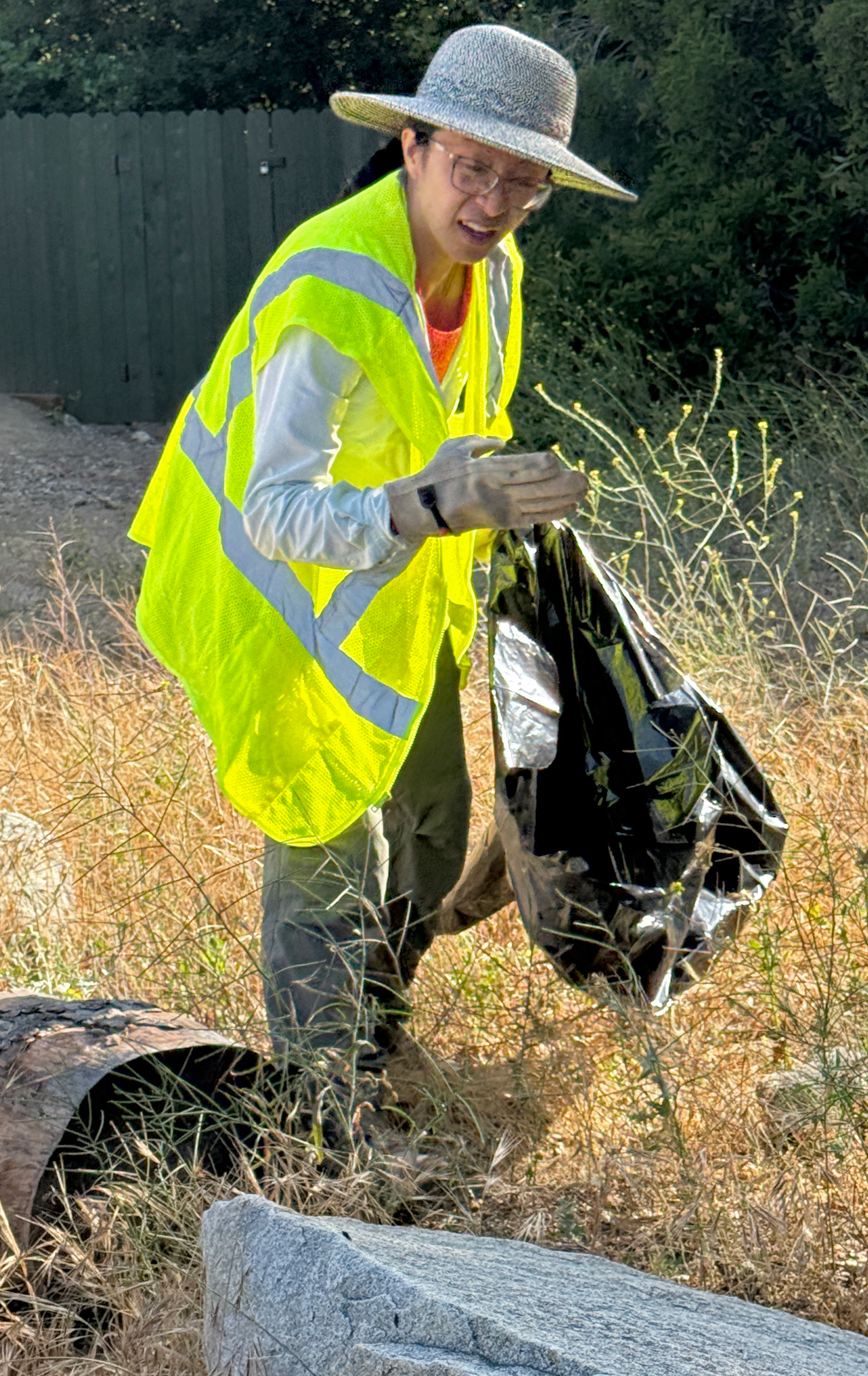
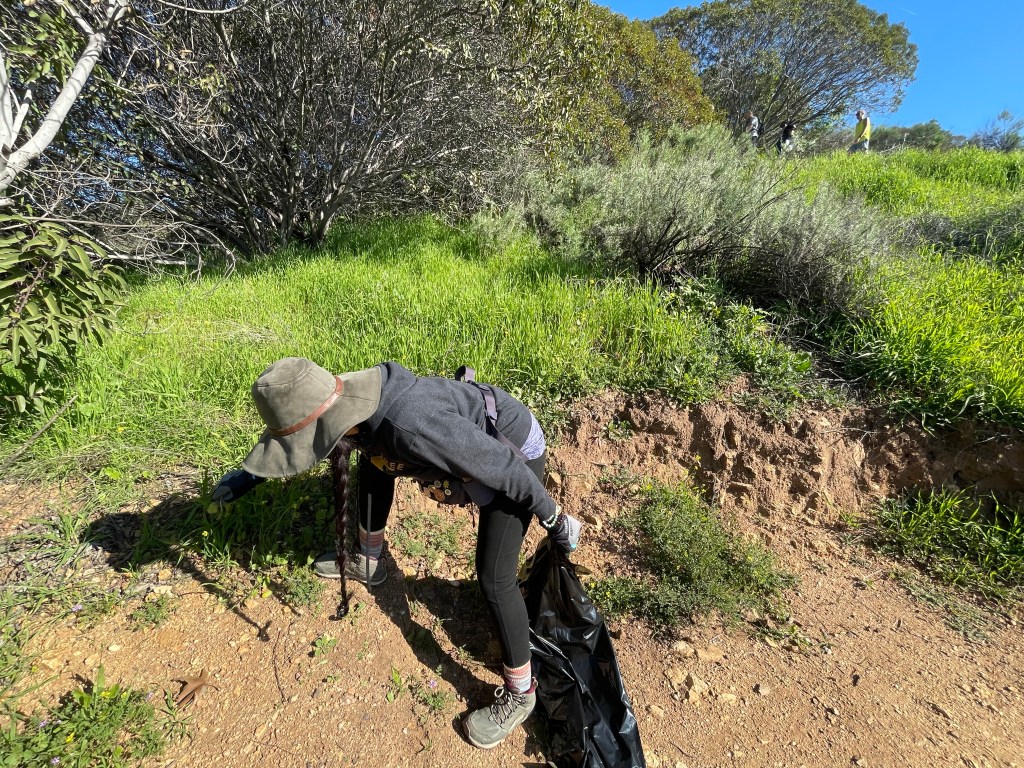
Some volunteers also did our usual trash pickup and greeted visitors at our booth.
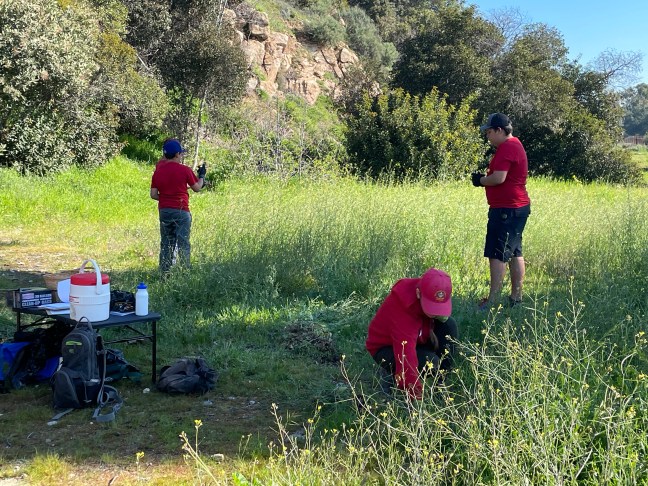
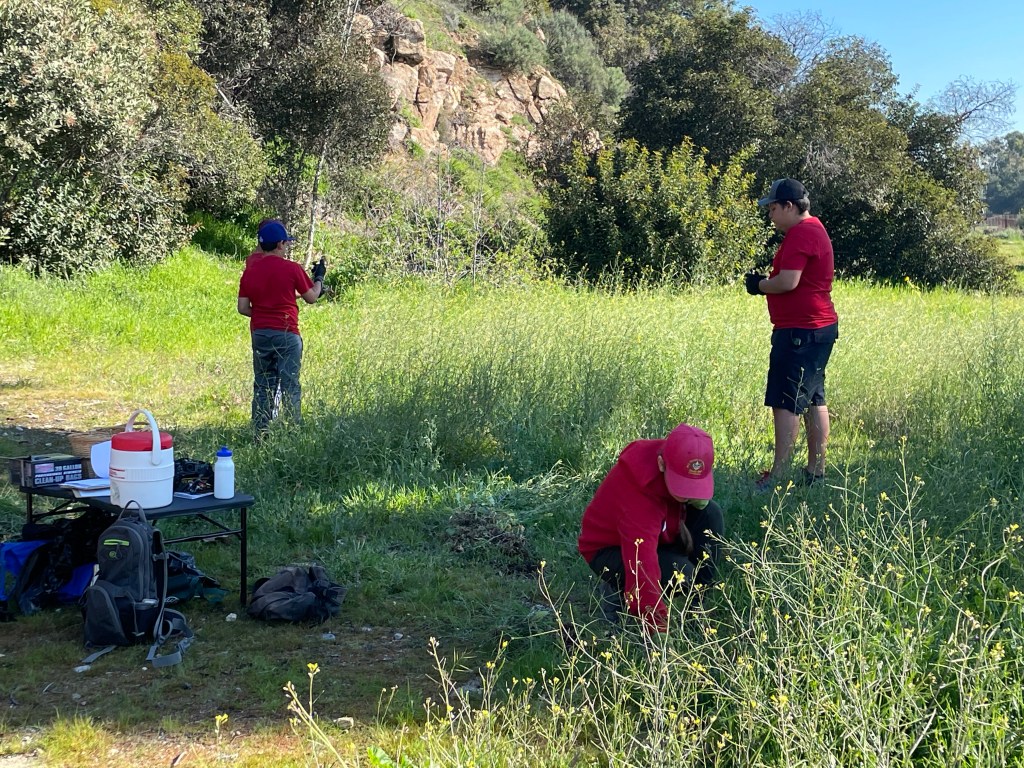
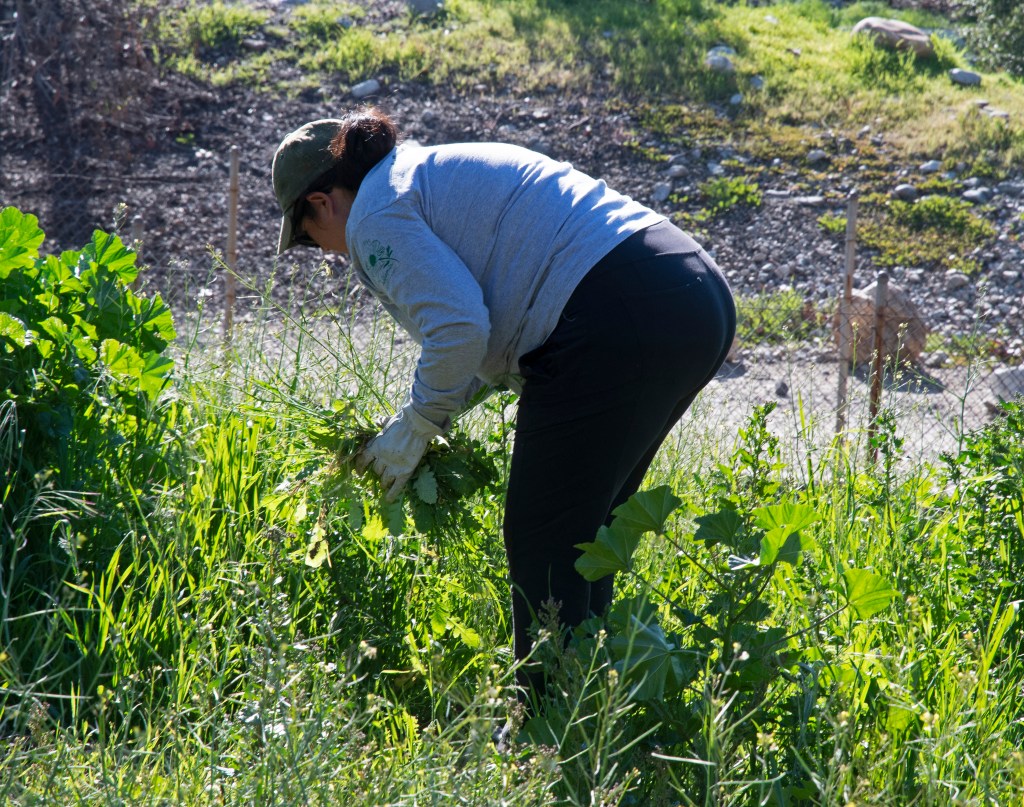
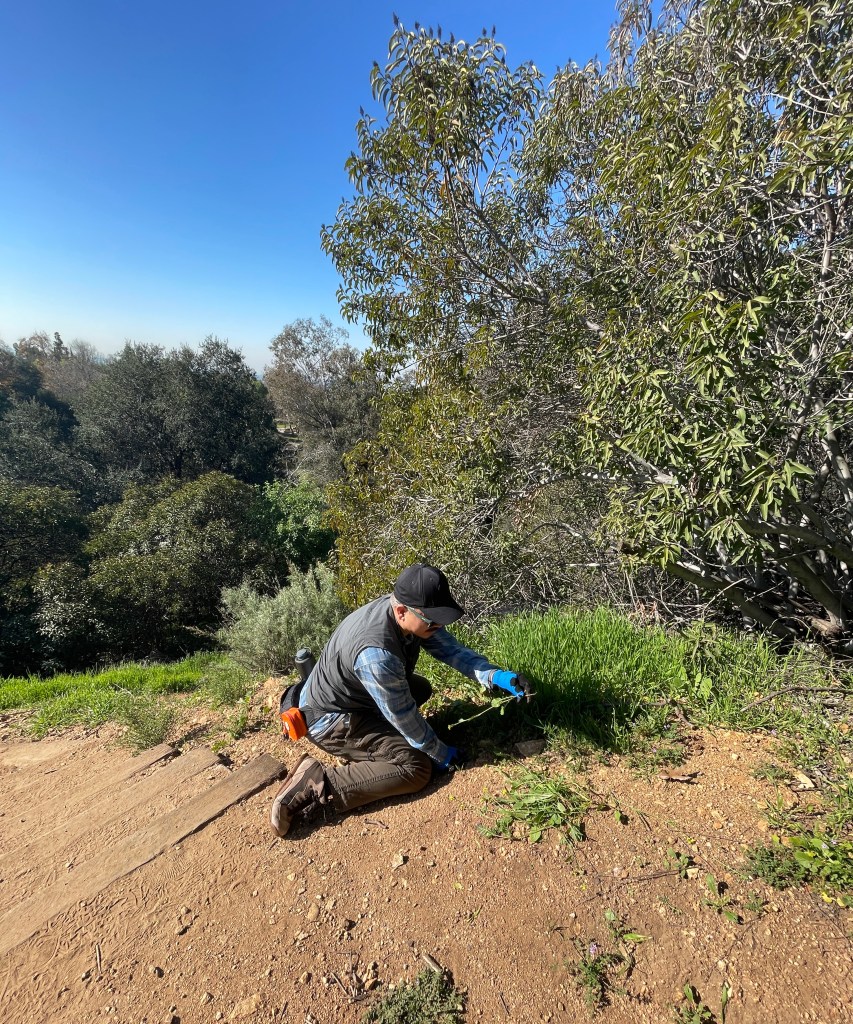
Here are some photos of volunteers at work:
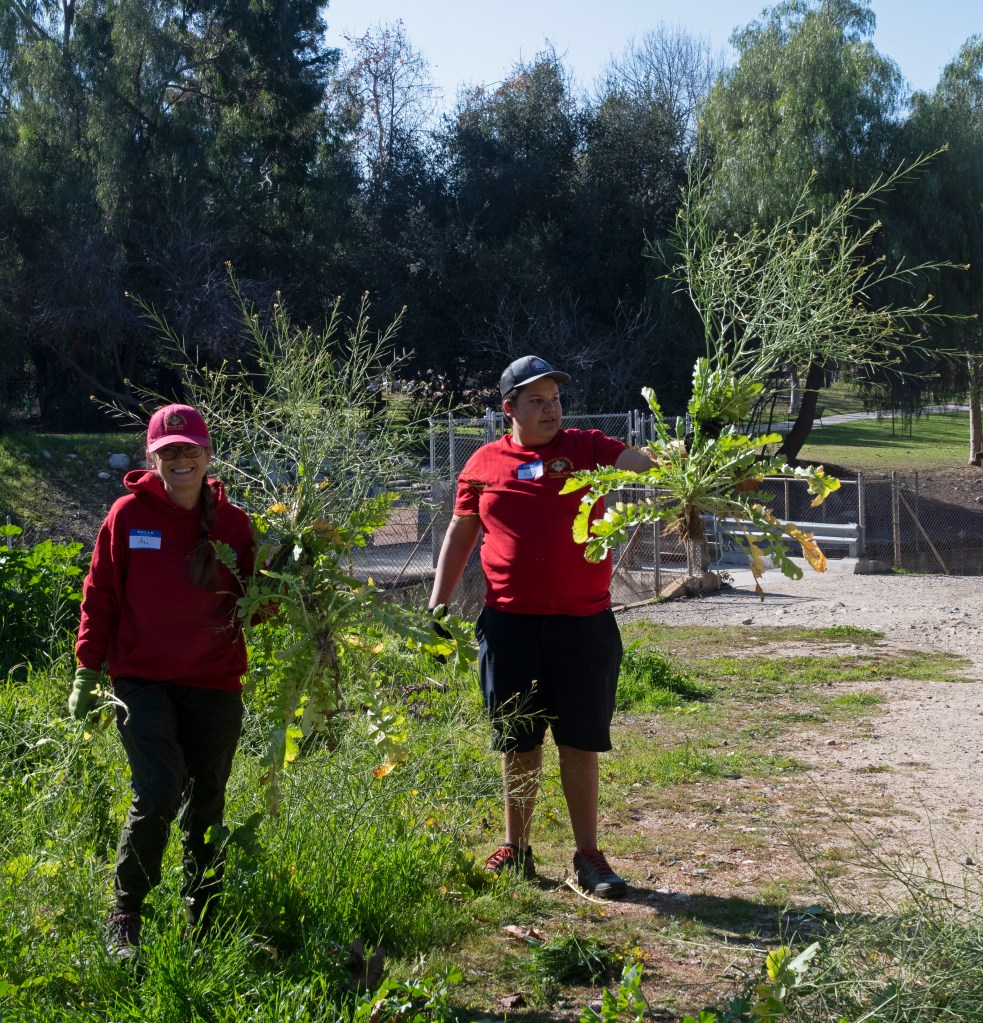
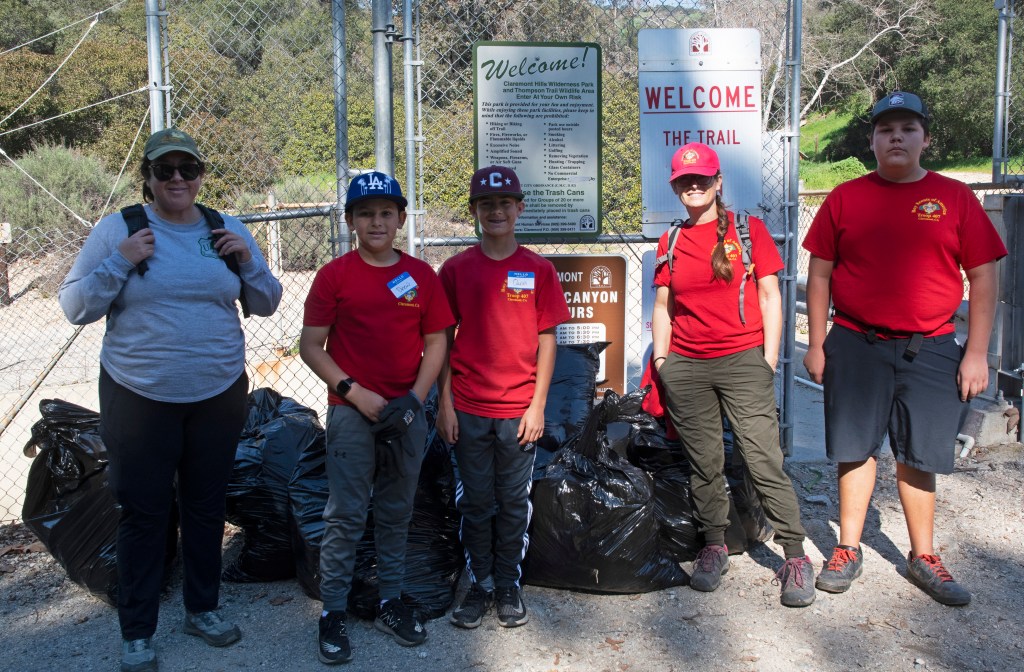
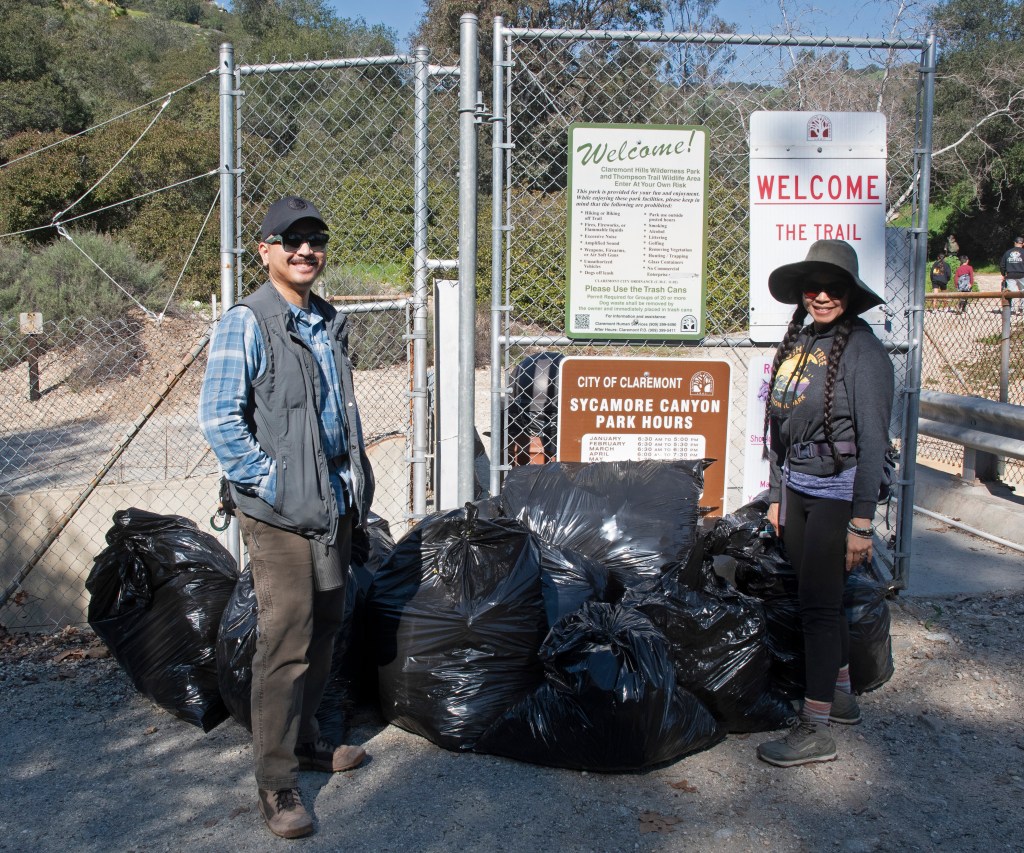
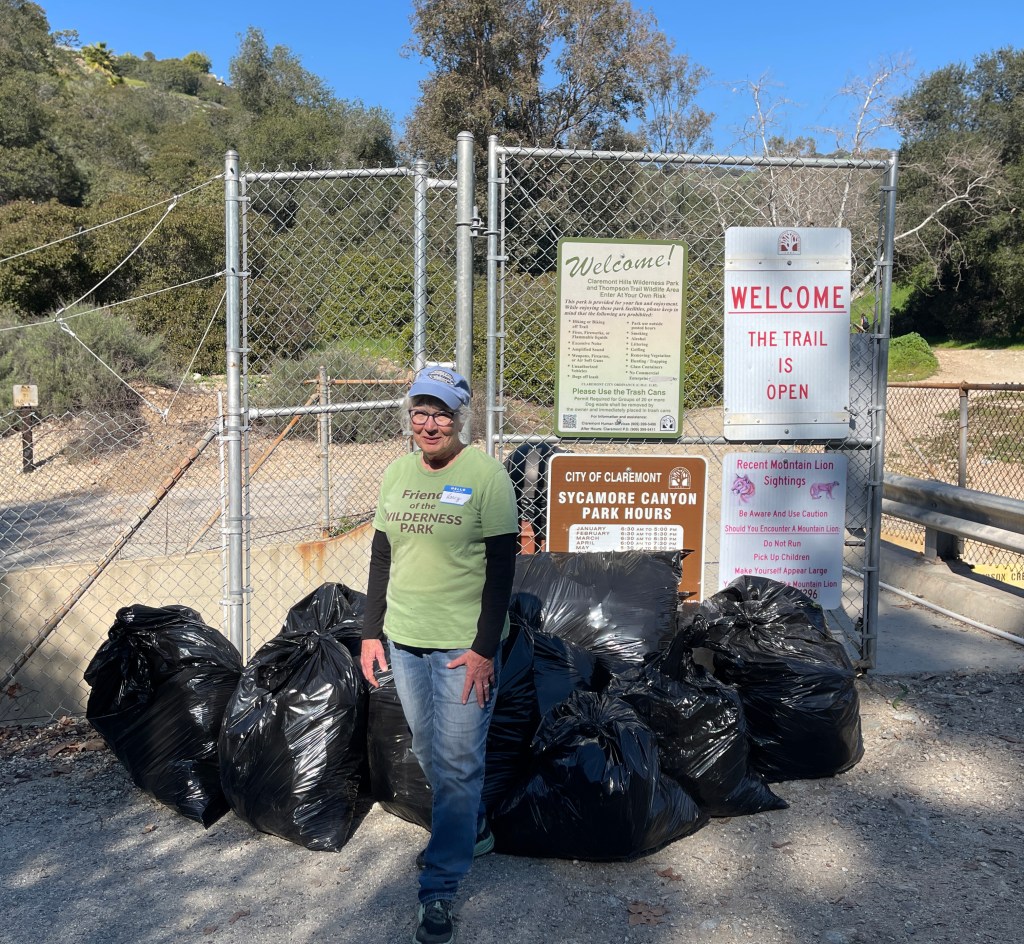
Weed workers getting ready.Charlie with a bag of thistles.Richard removing mustard along the fence.Mustard pulling in progress.Jessica pulling mustardTrash collectors Noelle and Tracy with our CISAW displayLook at that! Eleven huge bags of mustard and thistles!
And a little “Before” and “After”:
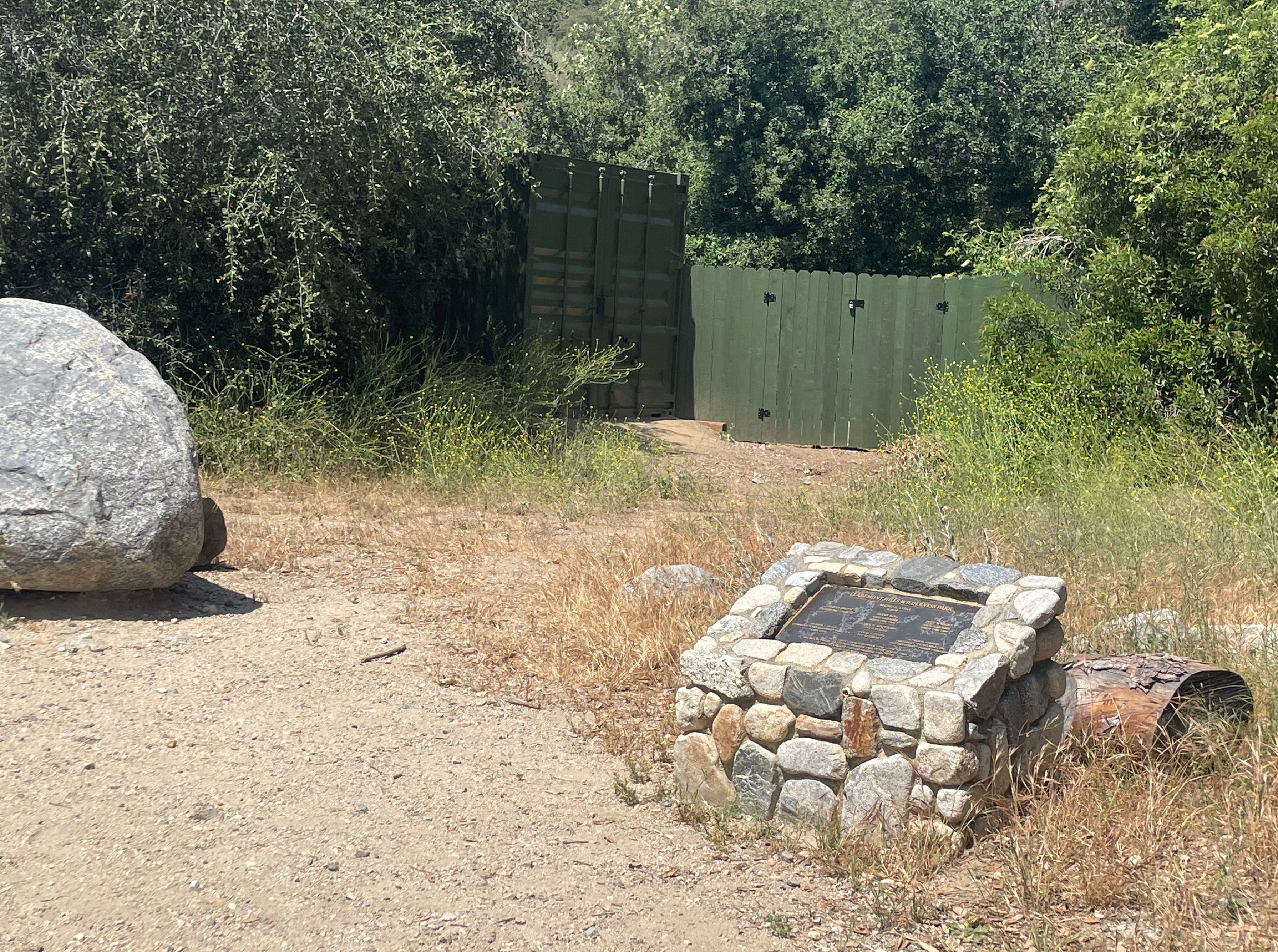
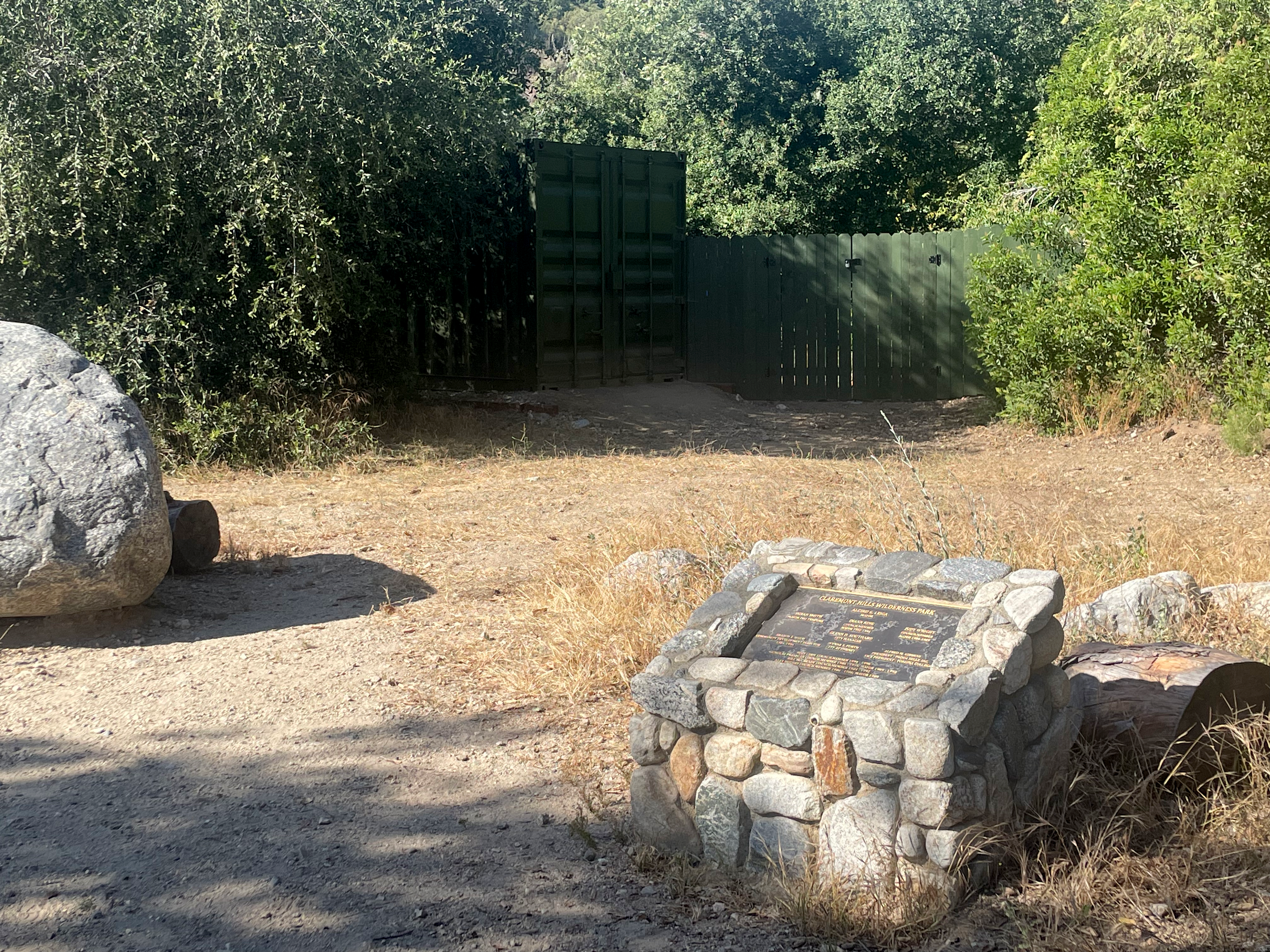
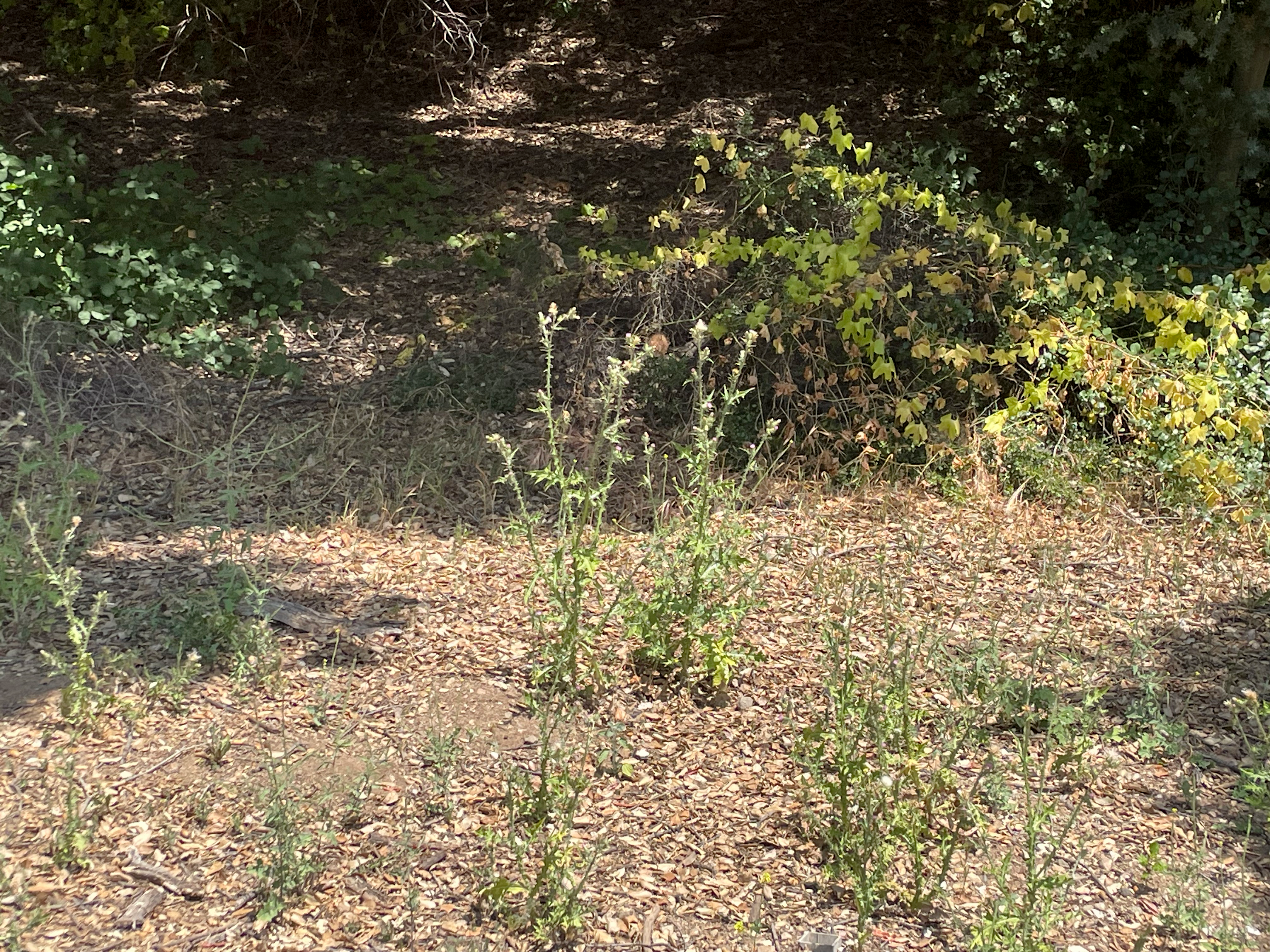
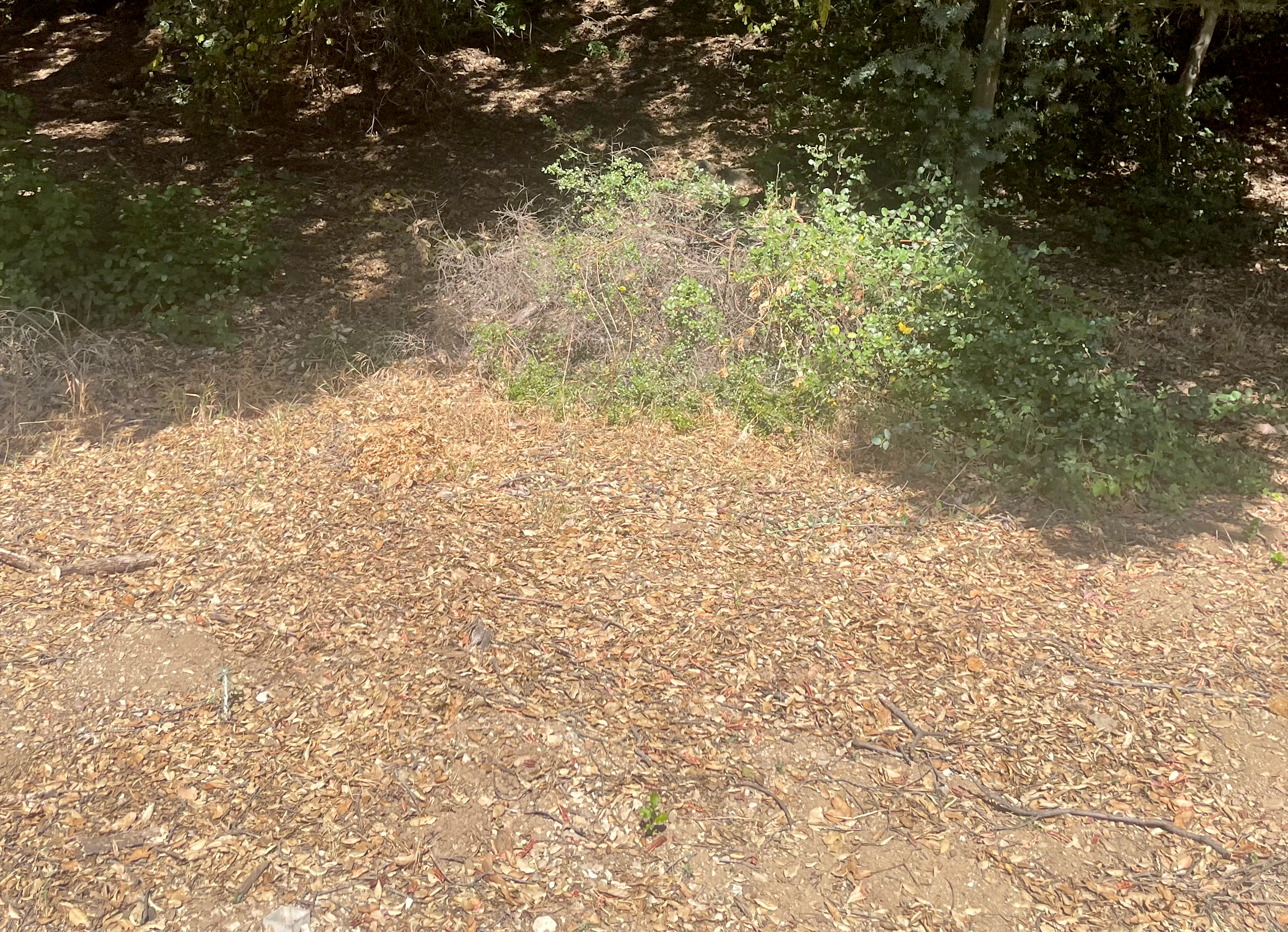
Area by the storage shed before mustard was cleared.Area by the storage shed after mustard was cleared.Thistles under the oak tree by the entrance.Under the oak tree after thistles were removed.
The Friends of the Wilderness Park held their first ever invasive plant removal event on Saturday, January 28, when a dedicated group of volunteers, including members of Boy Scout Troop 407, removed Sahara Mustard from the Sycamore Canyon Trail.
Sahara Mustard has done horrible damage to the desert east of her, displacing native wildflowers and other native plants as well as creating a fire hazard where none had existed previously. Fortunately, Sahara Mustard has only established a few relatively small infestations in the Wilderness Park, so we have an excellent chance of eradicating this pest.
Two of the infestations are along the Sycamore Canyon Trail – one at the bottom of the trail and one about one-third of the way up. Although you always miss some, we tried to remove all of the mustard in both of those areas, and we filled 15 contractor bags full of mustard! It will take a few years before all the mustard is gone, as a seed bank has already been established, but we hope to see progress soon!
We hope to be having invasive plant removal events about once a month except for the hot part of the summer. If you’d like to get an announcement, just sign up for our email list.
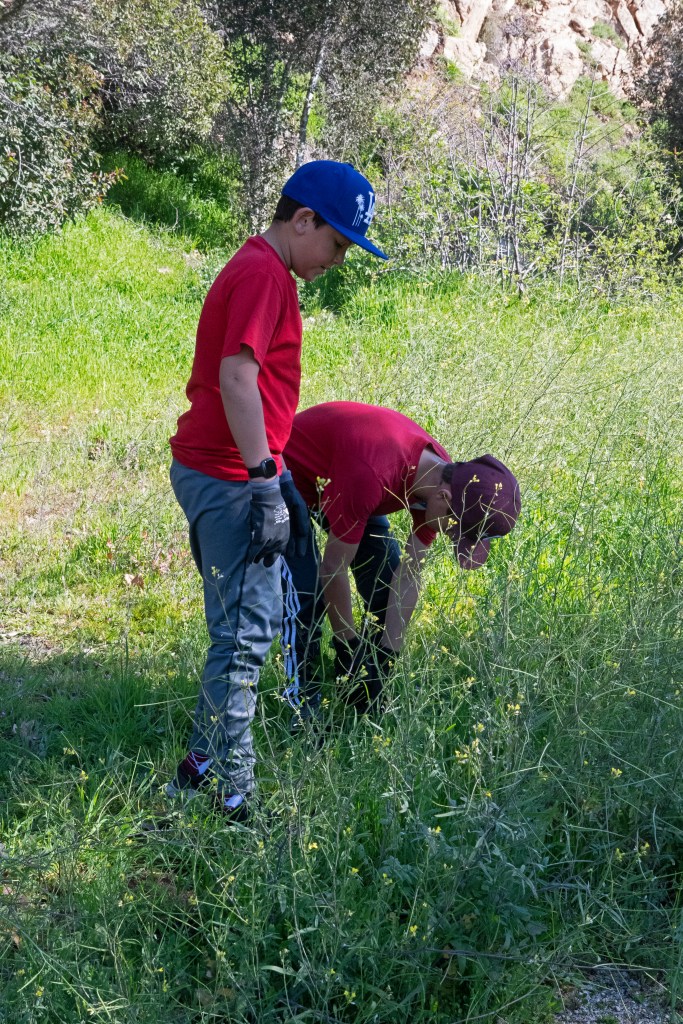
Here are some photos from the mustard removal:
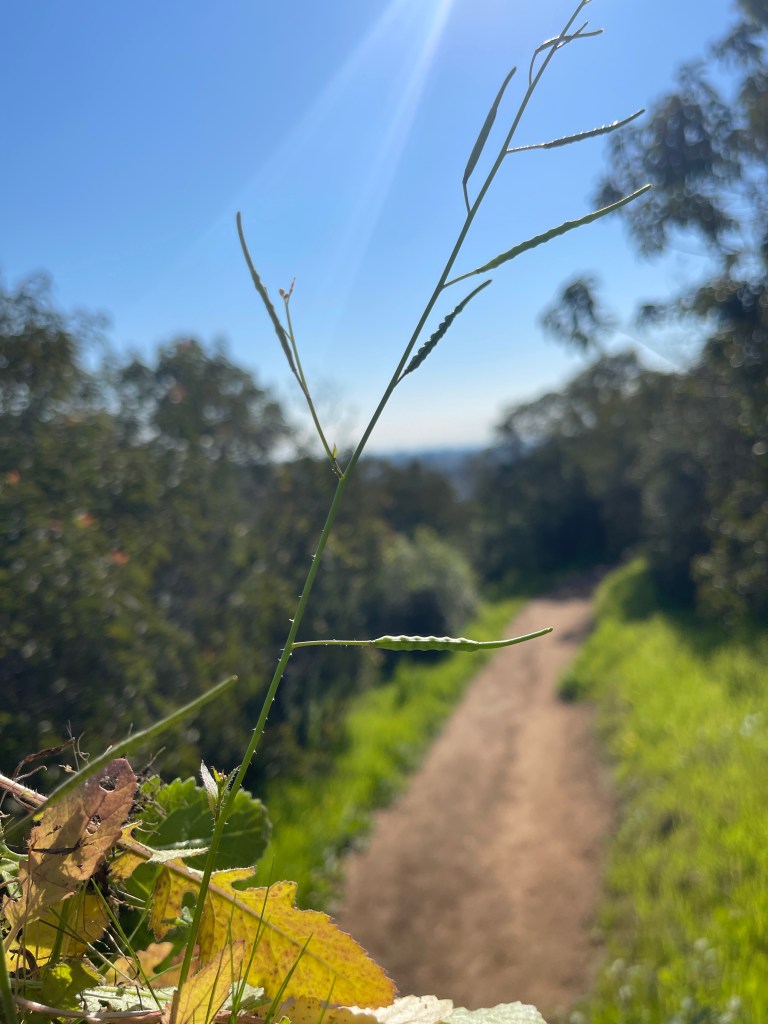
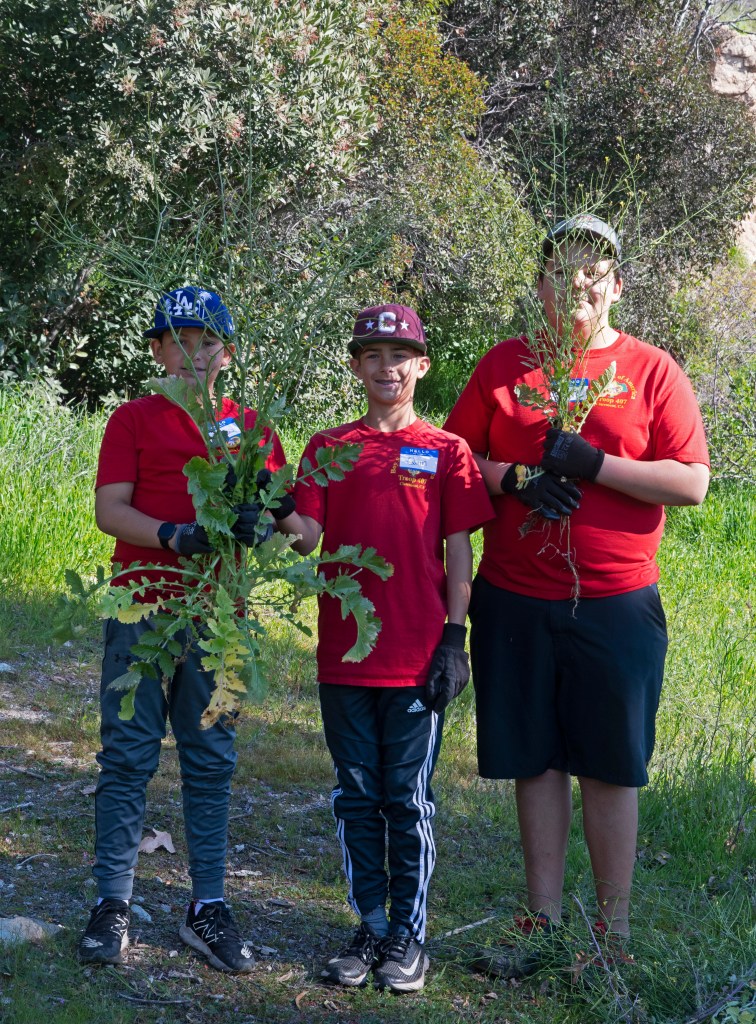
Drew, Quin, and Aiden get to work in the mustard patch.Naomi gets the mustard from the south edge of the patch.Drew and Quin pulling mustard.Teddy pulls mustard from the edge of the Sycamore Canyon Trail.Iris pulls mustard from the side of the trail.The characteristic Sahara Mustard seed pods.Drew, Quin, and Aiden show off their giant mustard plants.Ali and Aiden with some impressively large mustard plants.Teddy hauls a big bag of mustard back down the trail.We thought we were done, but Teddy and Nancy find another little patch of mustard.A bag of Sahara Mustard.Naomi, Drew, Quin, Ali, and Aiden with the bags of mustard.Teddy and Iris with the bags of mustard.Nancy with the bags of mustard.
Dr. John Greenwod and his dog hiked the trail and picked up trash.
The 8:30-10:30 shift – Vicki, Nancy, Jim, and Terry.
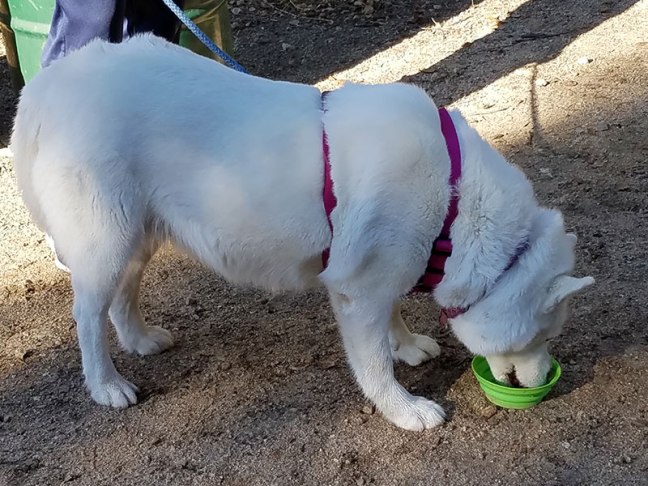
December 8 was a lovely, clear day for the Second Saturday program. Here are a few scenes, including the greeters and trash picker-uppers, a thirsty dog, a tarantula, and a new invasive plant – Brassica fruticulosa (Mediterranean Cabbage or Twiggy Turnip).
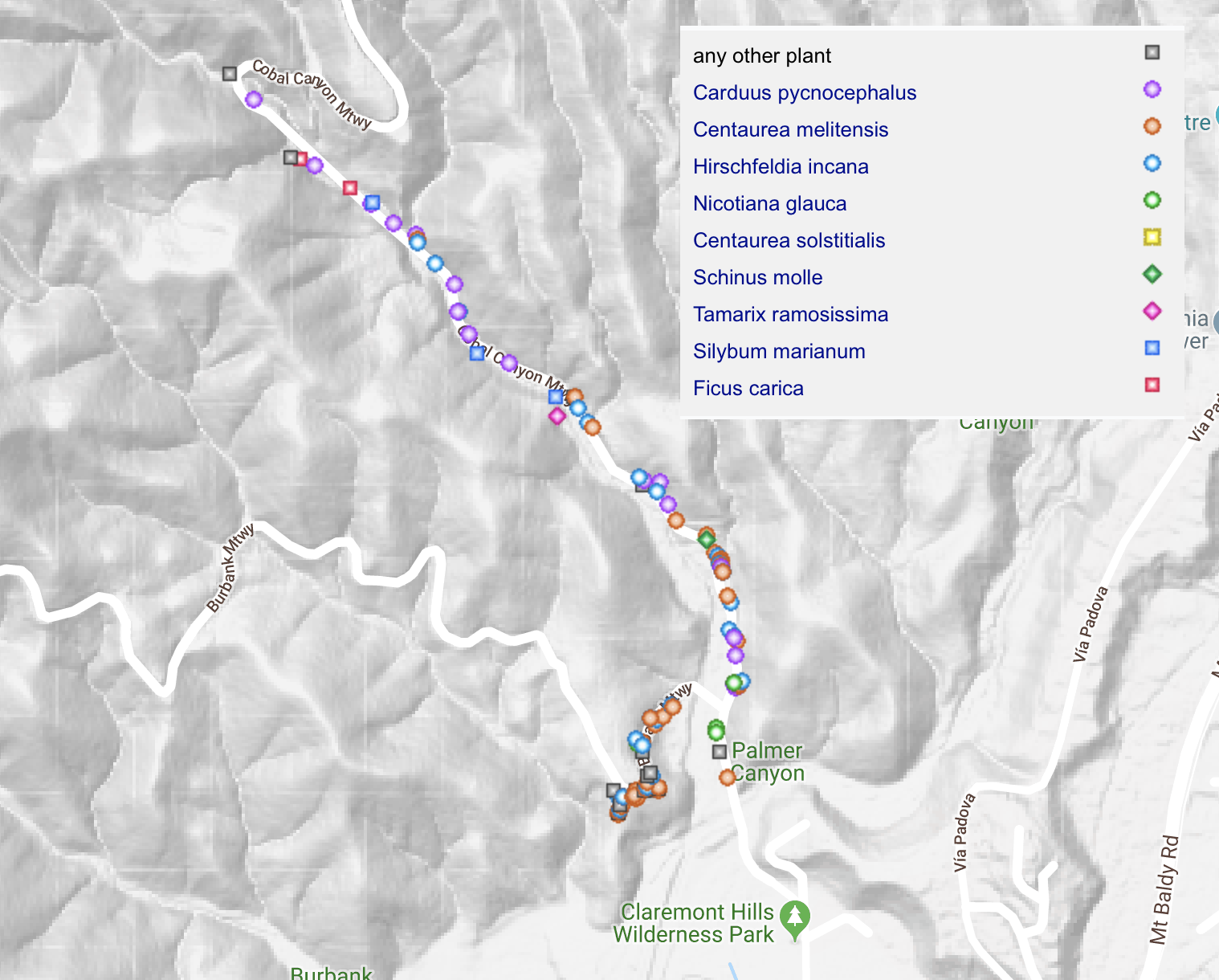
The Friends are currently mapping invasive plants in the Claremont Hills Wilderness Park, and Saturday morning we mapped invasives along the first section of the Cobal Canyon Trail. This is what the resulting map on CalFlora looks like:
If you go the actual CalFlora page, you can click on a dot and see details of each observation, including photos and number of plants. There are a lot of invasive plants along the Cobal Canyon trail, and in fact the Master Plan noted that Cobal Canyon had the highest number of different invasive species.
If you would like to help with the mapping effort, please contact us at info@friendsofthewildernesspark.org, and we’ll contact you to sign you up for instruction and mapping.






 Friends of the Claremont Hills Wilderness Park