This year Saturday, June 7 – Sunday, June 15 was California Invasive Species Action Week, a statewide, week-long event created to increase public awareness of invasive species in our state and to promote public participation year round in invasive species management.
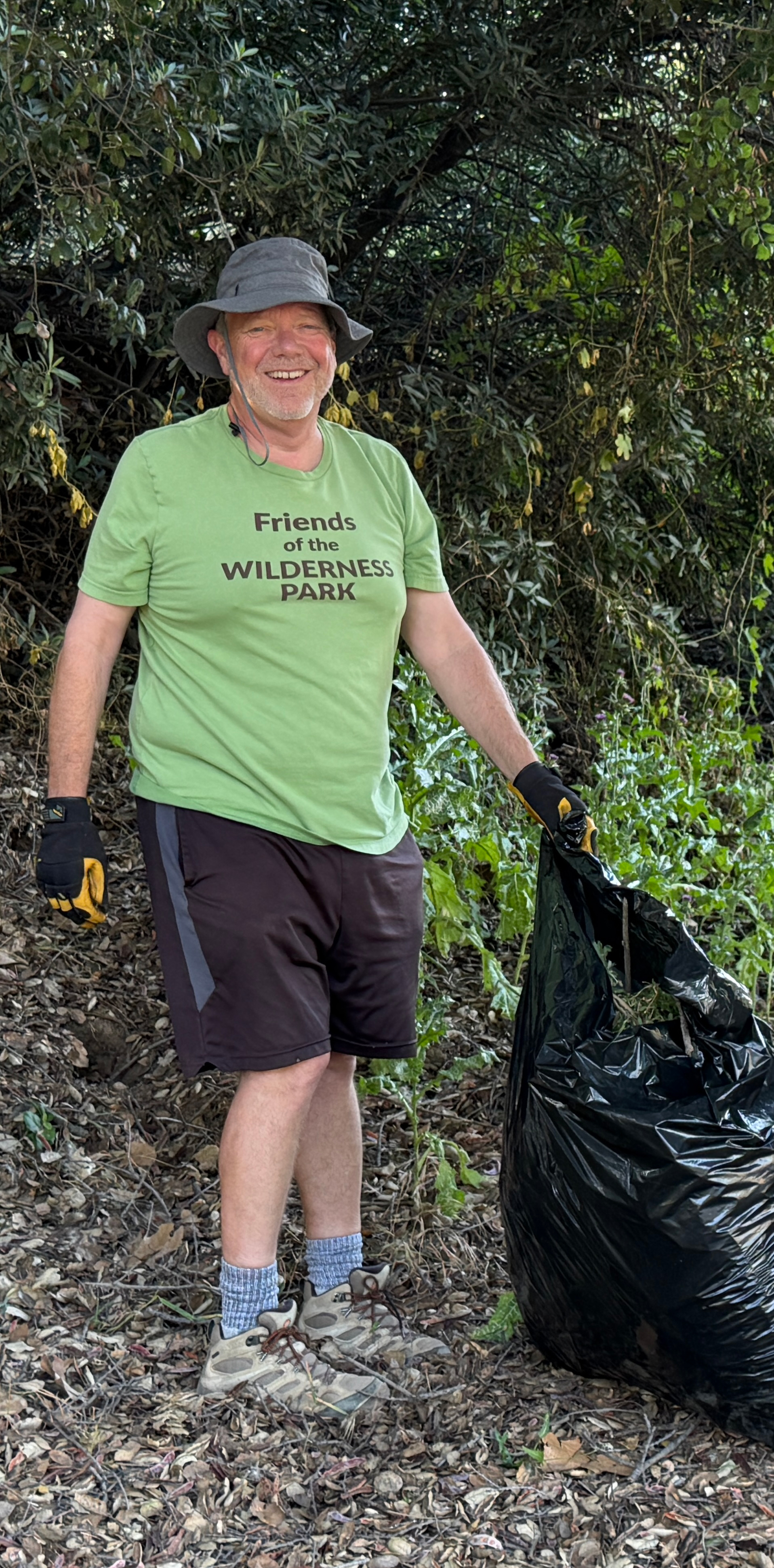
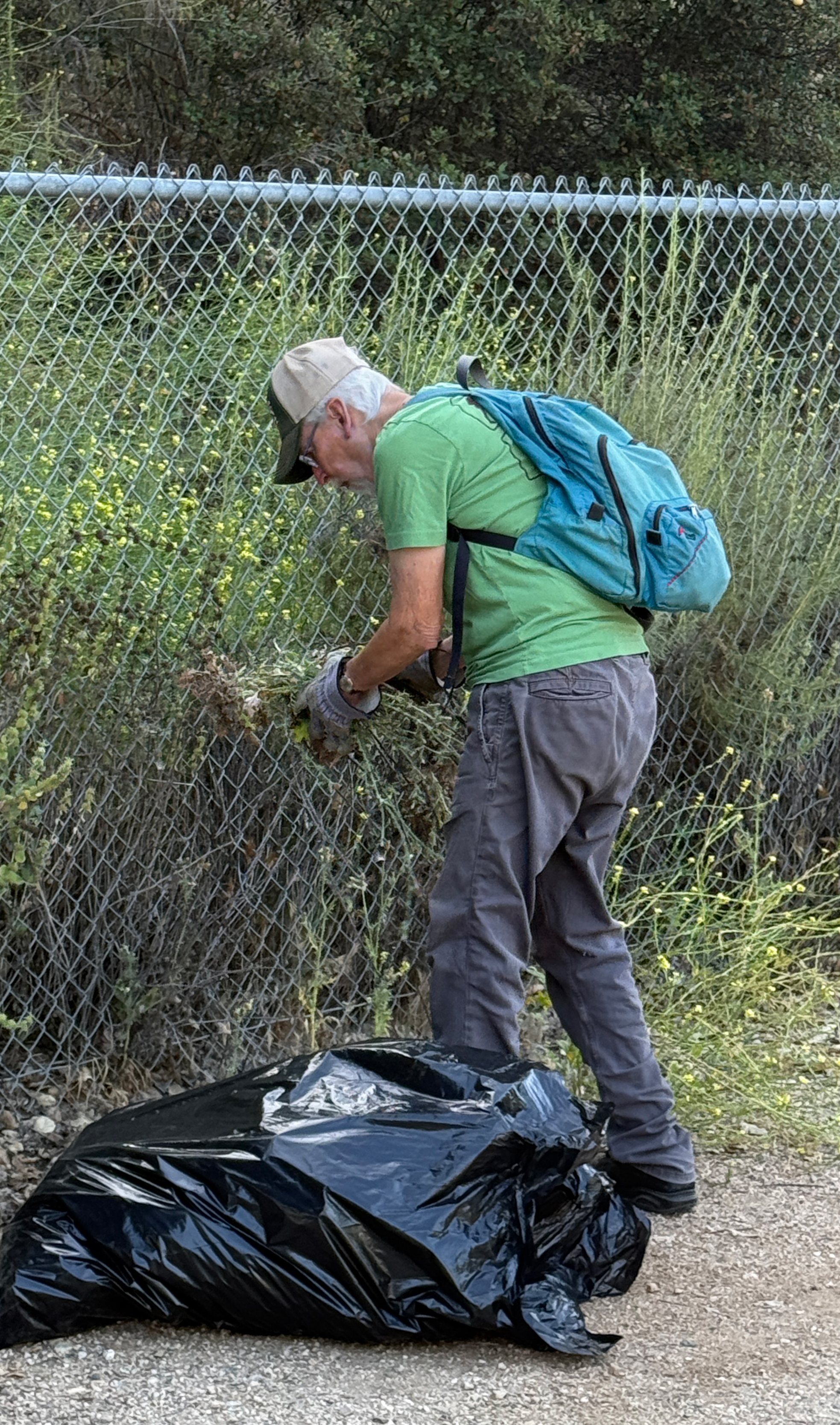
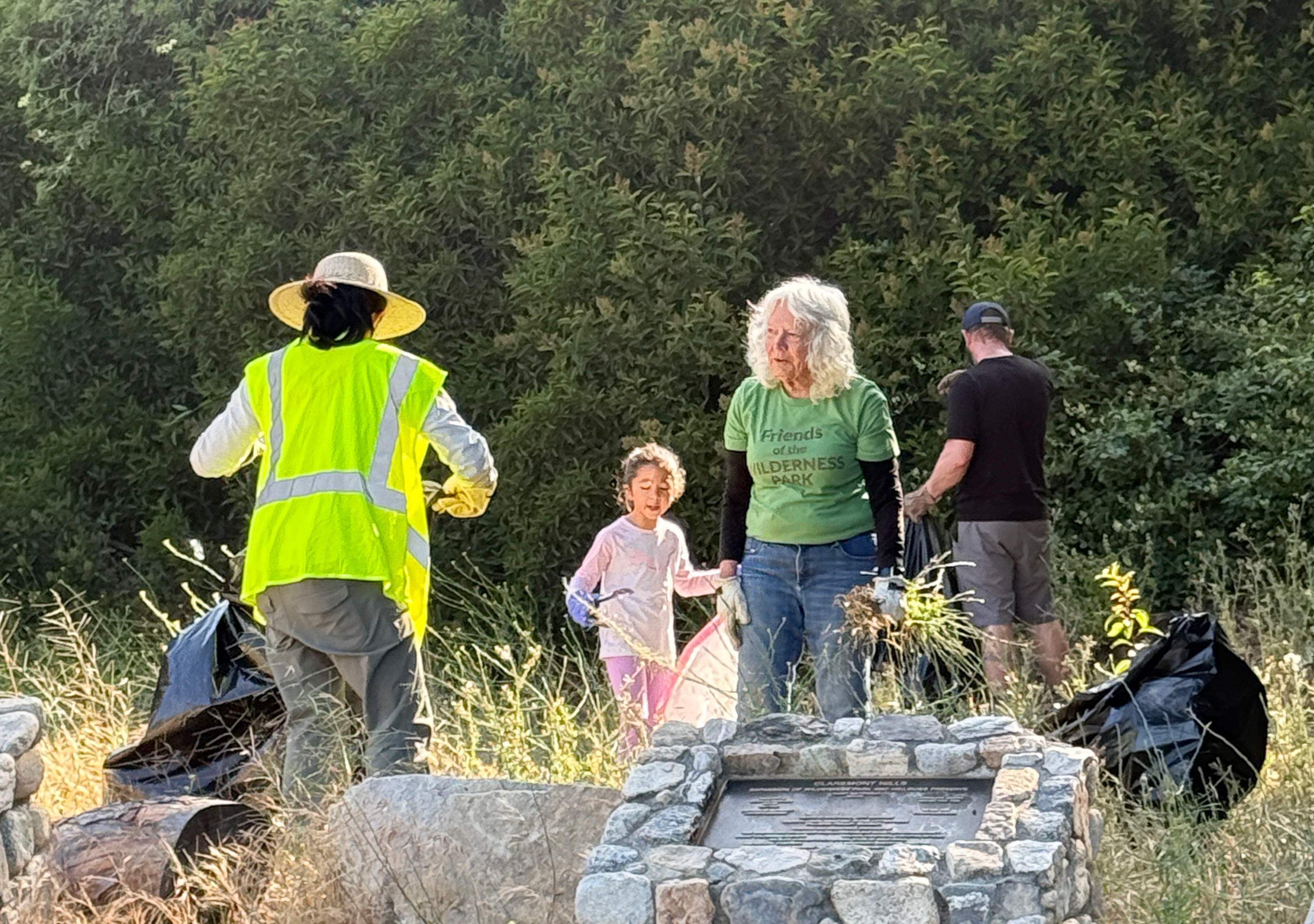
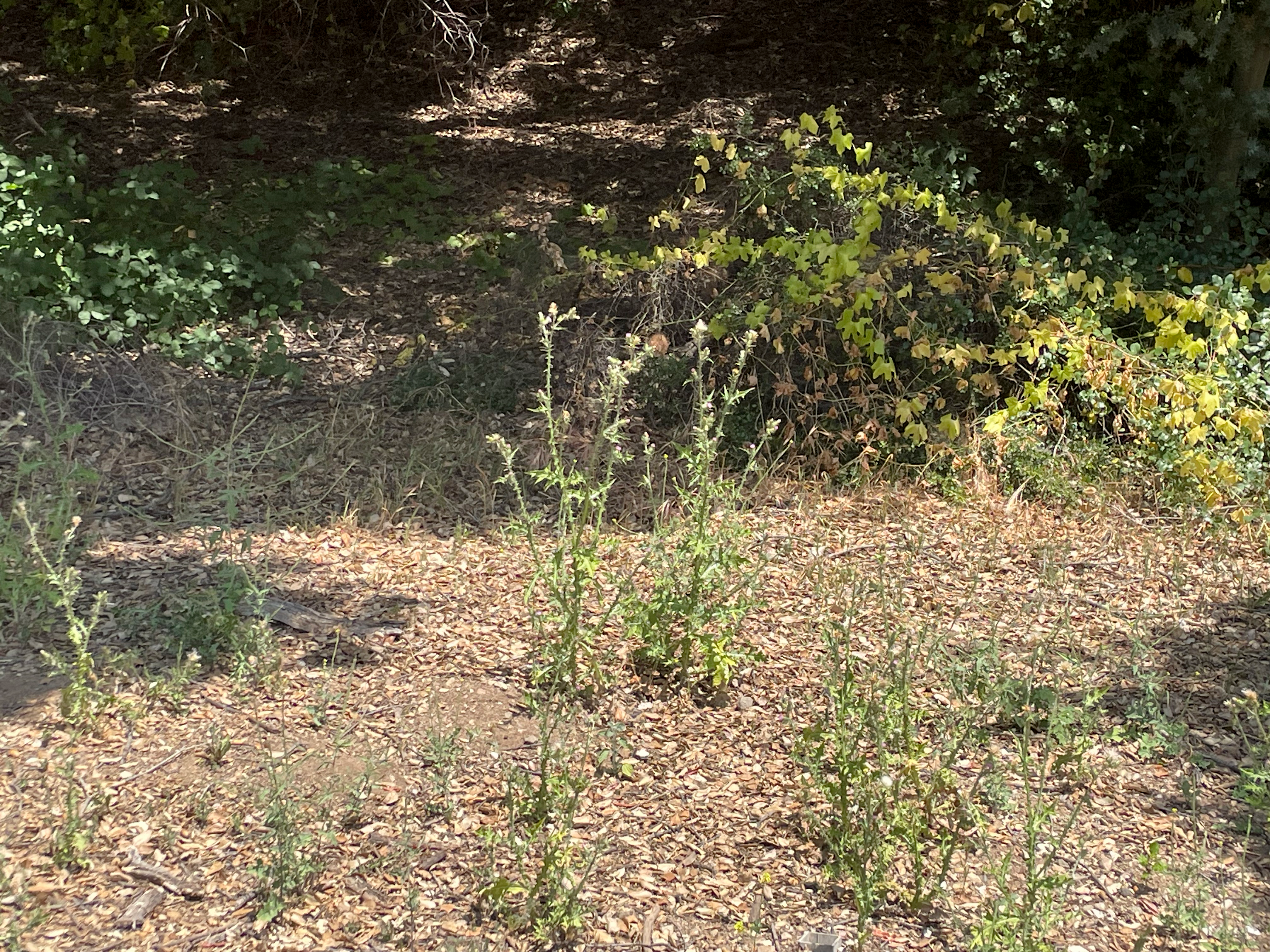
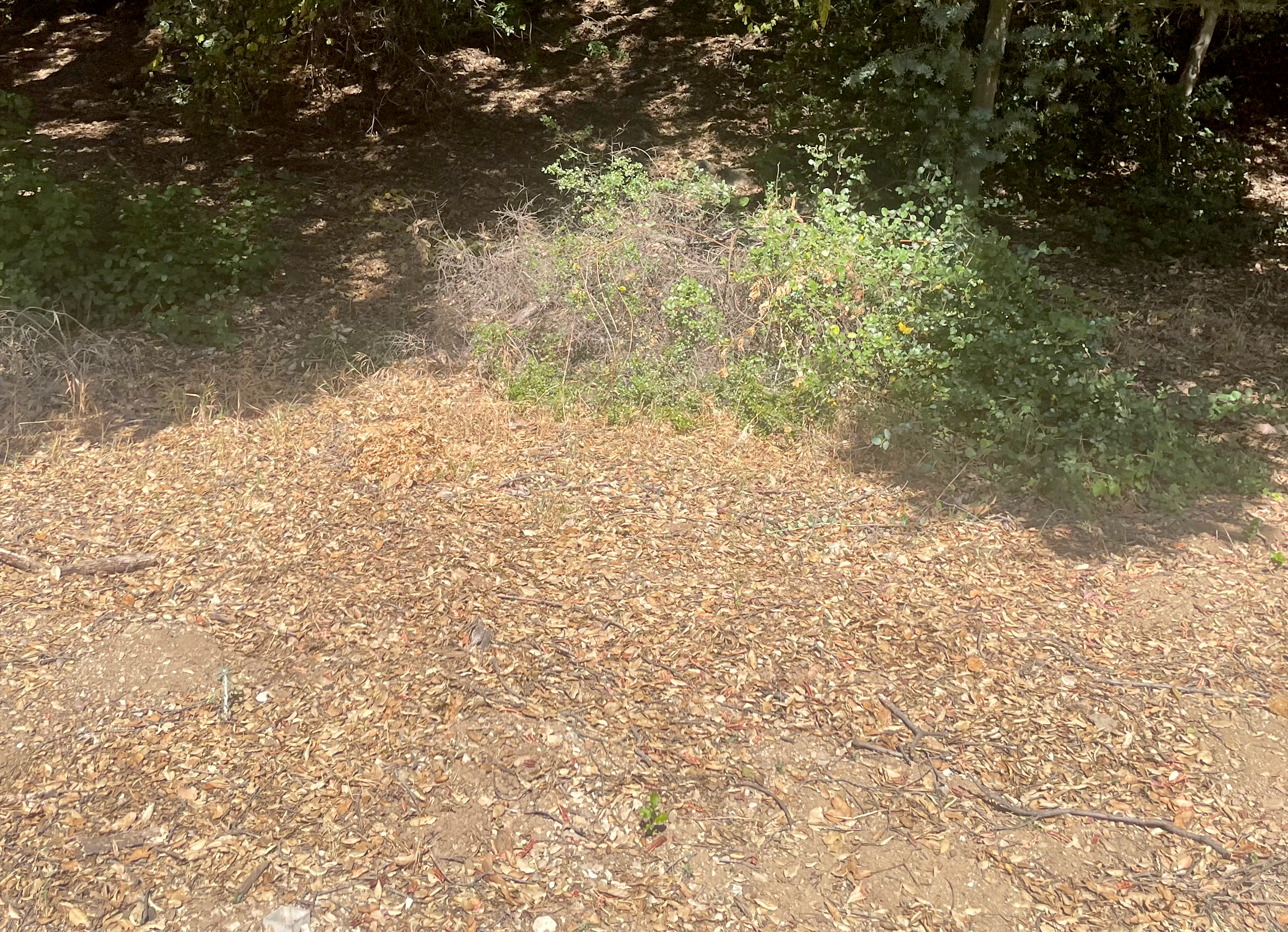
For our June 14 Second Saturday event, we removed invasive mustard – including Short-pod Mustard (Hirschfeldia incana), Mediterranean Cabbage (Brassica fruticulosa), Oriental Mustard (Sisymbrium orientale), and Hedge Mustard (Sisymbrium officinale) – and Italian Thistles (Carduus pycnocephalus) from areas near the Park entrance that are being revegetated with native plants.
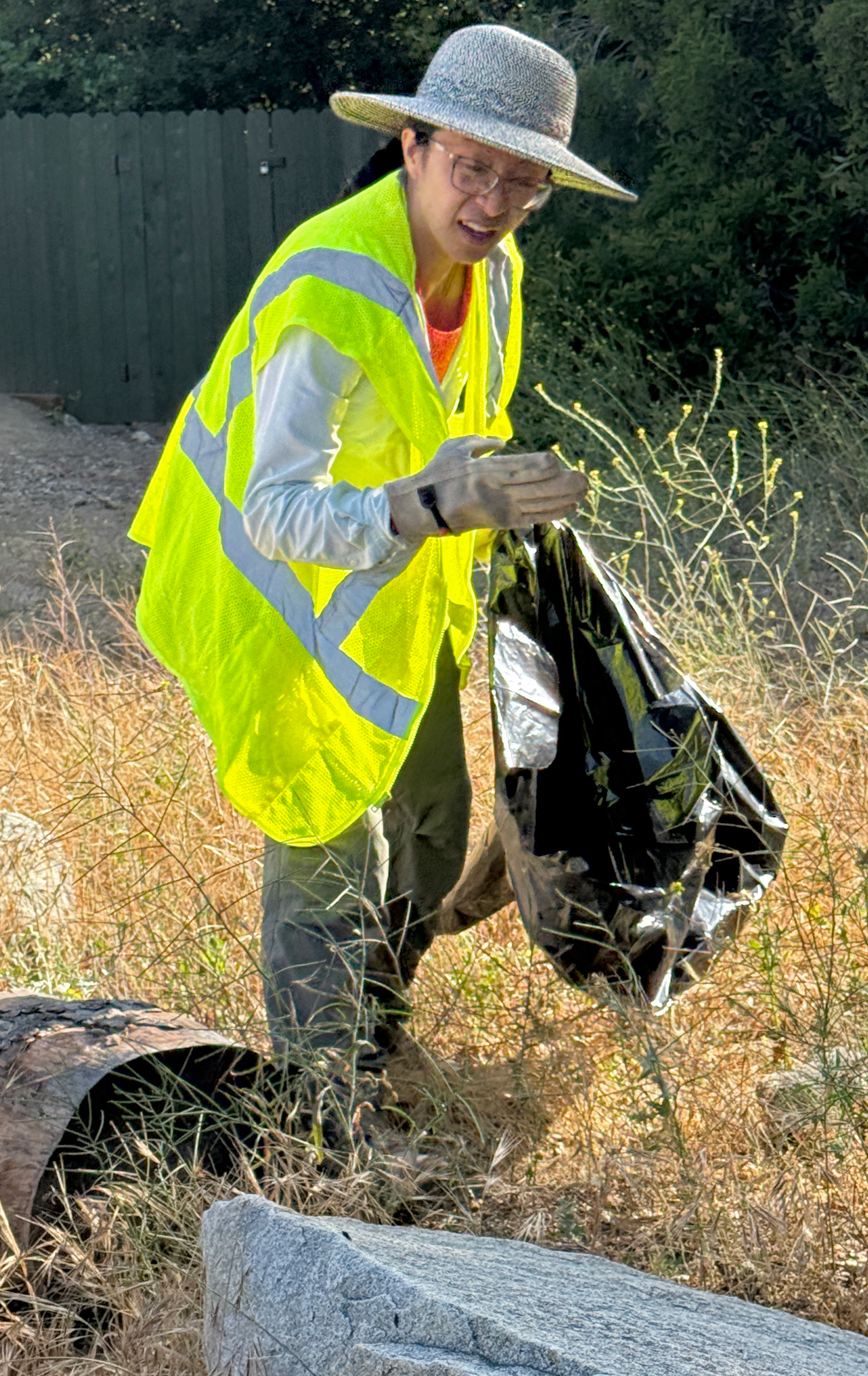
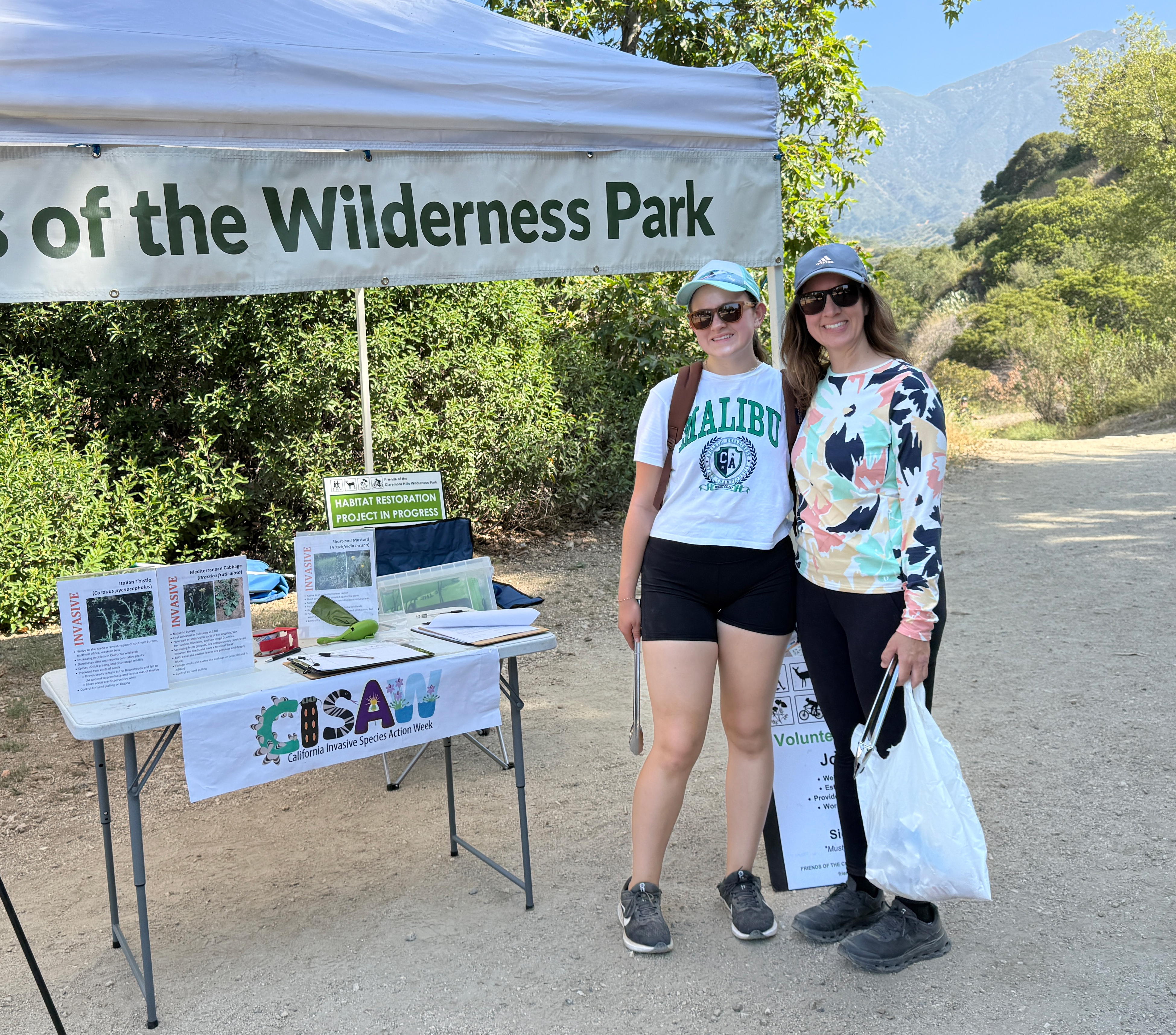
Some volunteers also did our usual trash pickup and greeted visitors at our booth.
Here are some photos of volunteers at work:
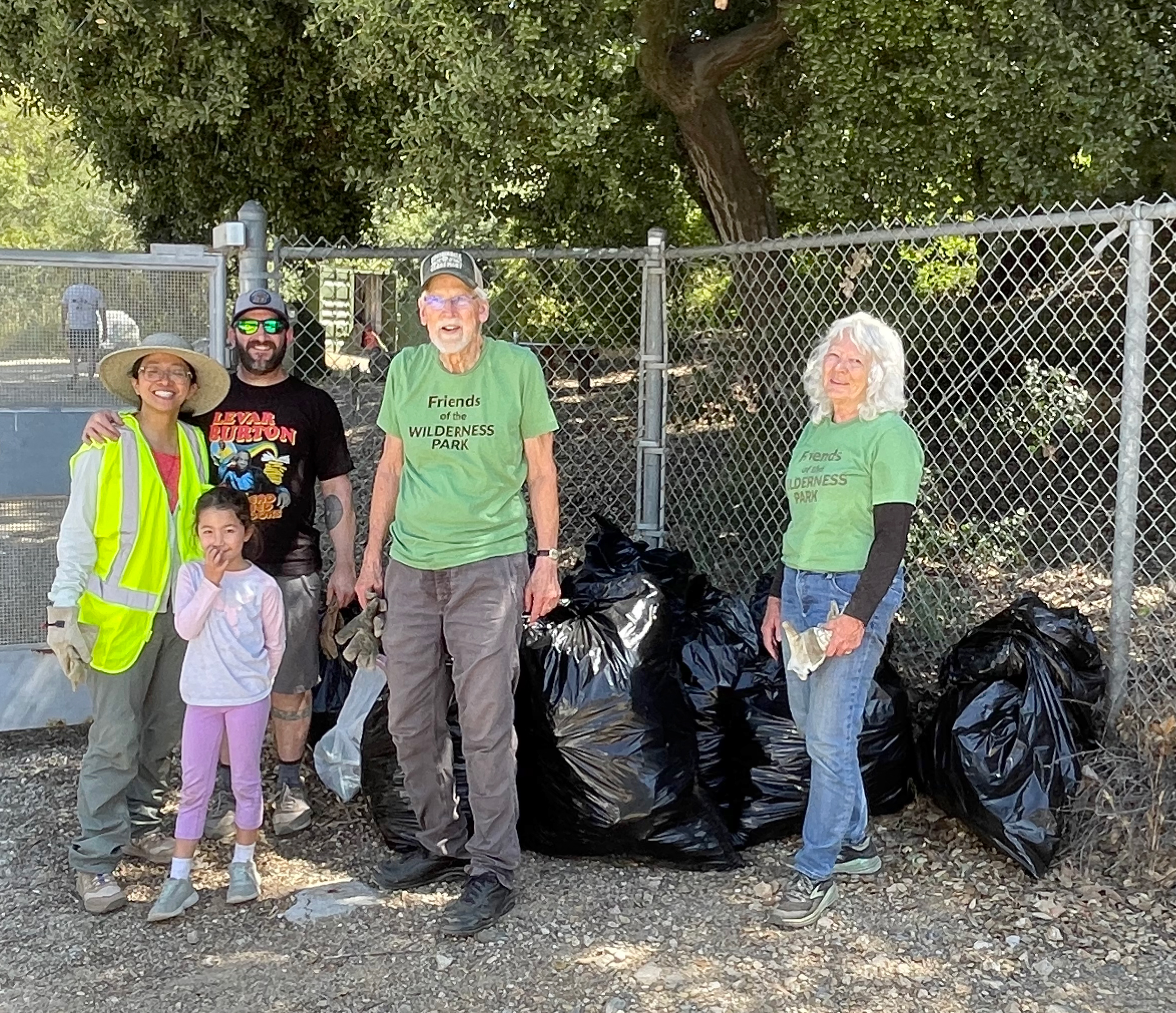
Weed workers getting ready.Charlie with a bag of thistles.Richard removing mustard along the fence.Mustard pulling in progress.Jessica pulling mustardTrash collectors Noelle and Tracy with our CISAW displayLook at that! Eleven huge bags of mustard and thistles!
And a little “Before” and “After”:
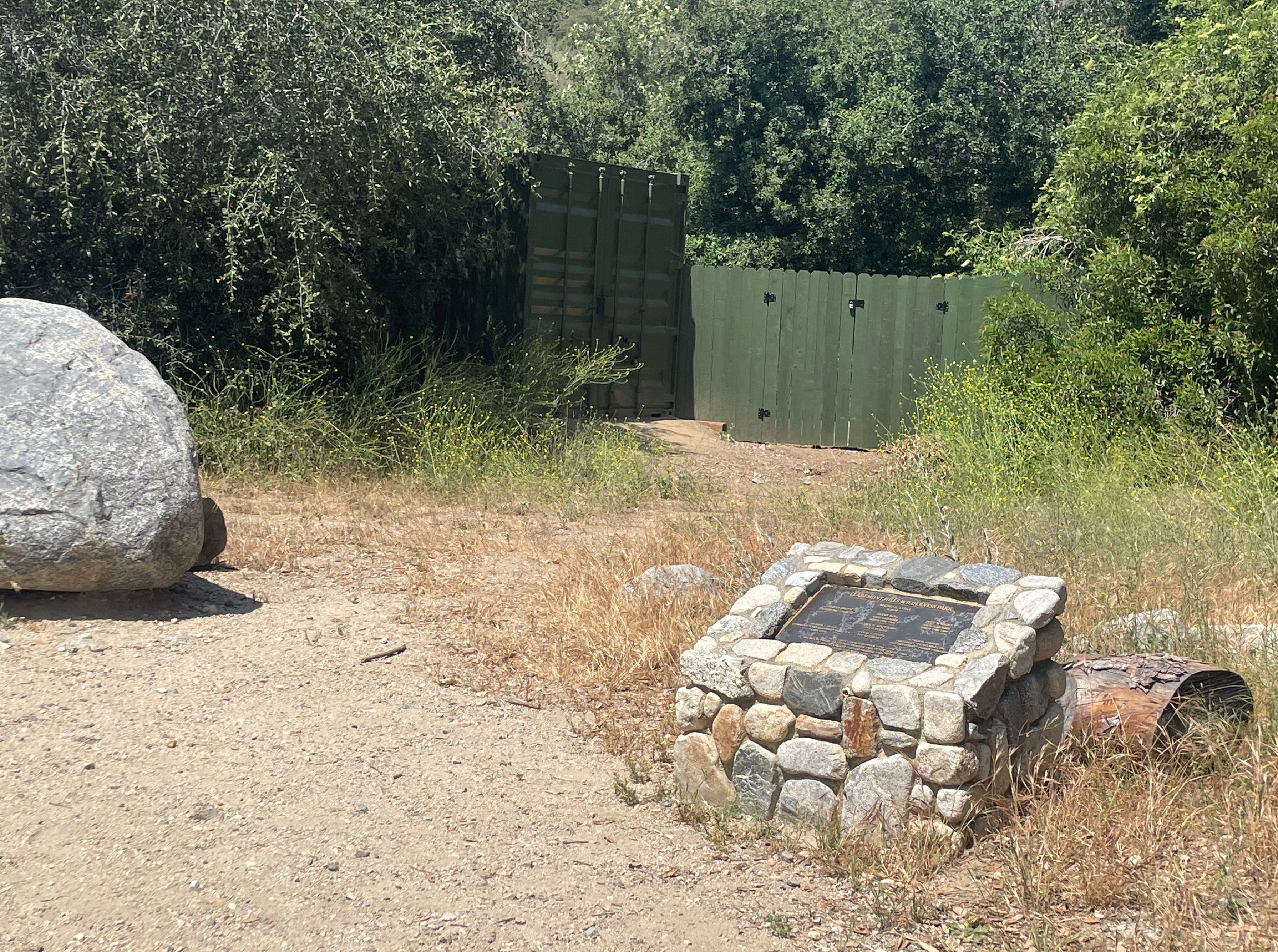
Area by the storage shed before mustard was cleared.Area by the storage shed after mustard was cleared.Thistles under the oak tree by the entrance.Under the oak tree after thistles were removed.
Thanks to everyone who participated in California Biodiversity Day at the Wilderness Park on September 11, and thanks to the Park Rangers, who set up their canopy for us! During the official California Biodiversity Days, Sept. 4 – 12, seventeen new observations were reported to our iNaturalist project, including 14 taxa, of which 11 were identified to species.
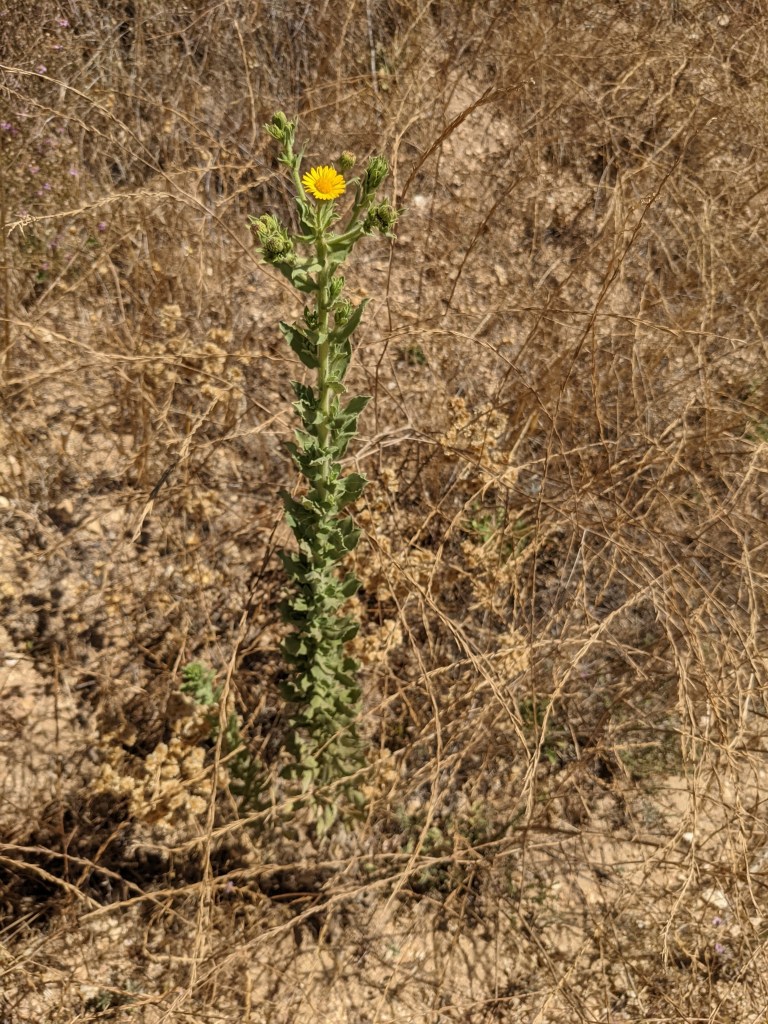
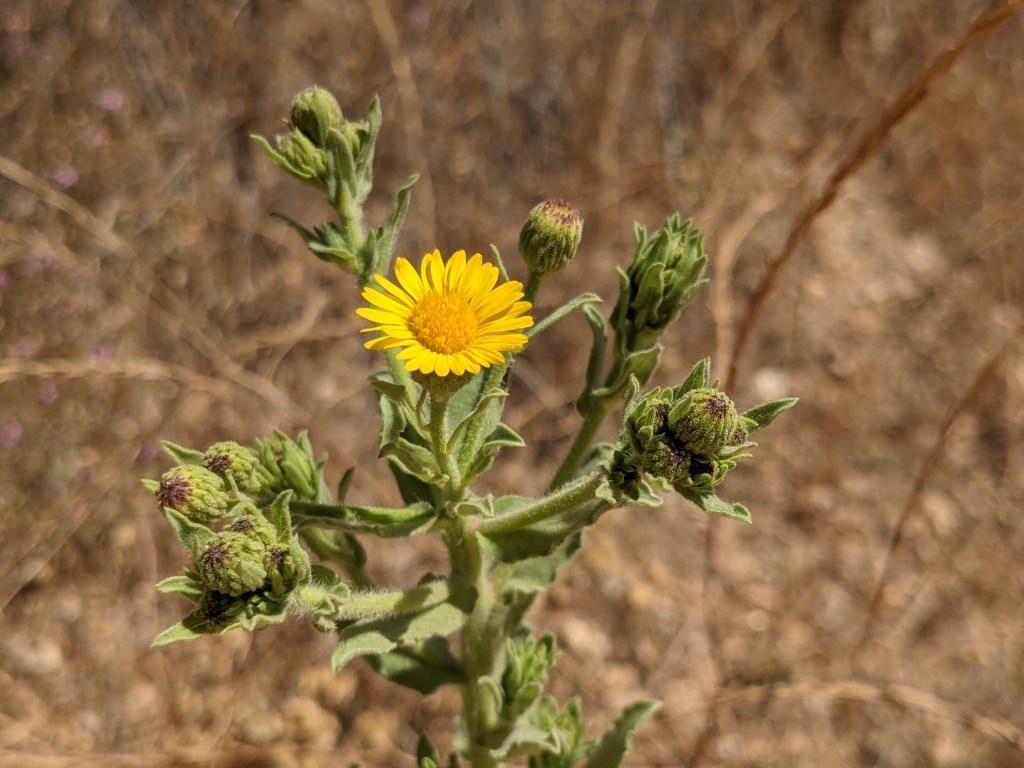
Telegraph Weed was the species most commonly reported in the Park during California Biodiversity Days. Its bright yellow flowers on tall stems (sometimes more than 5 ft) are a common sight in the Park in late summer and fall. It is a pioneer native species, growing along roadsides and in other disturbed sites.
The origin of the common name is hazy. Some think it’s because the tall, slim stalks stick up like telegraph poles. Others have suggested it’s because it readily colonized the areas disturbed by telegraph pole installation.
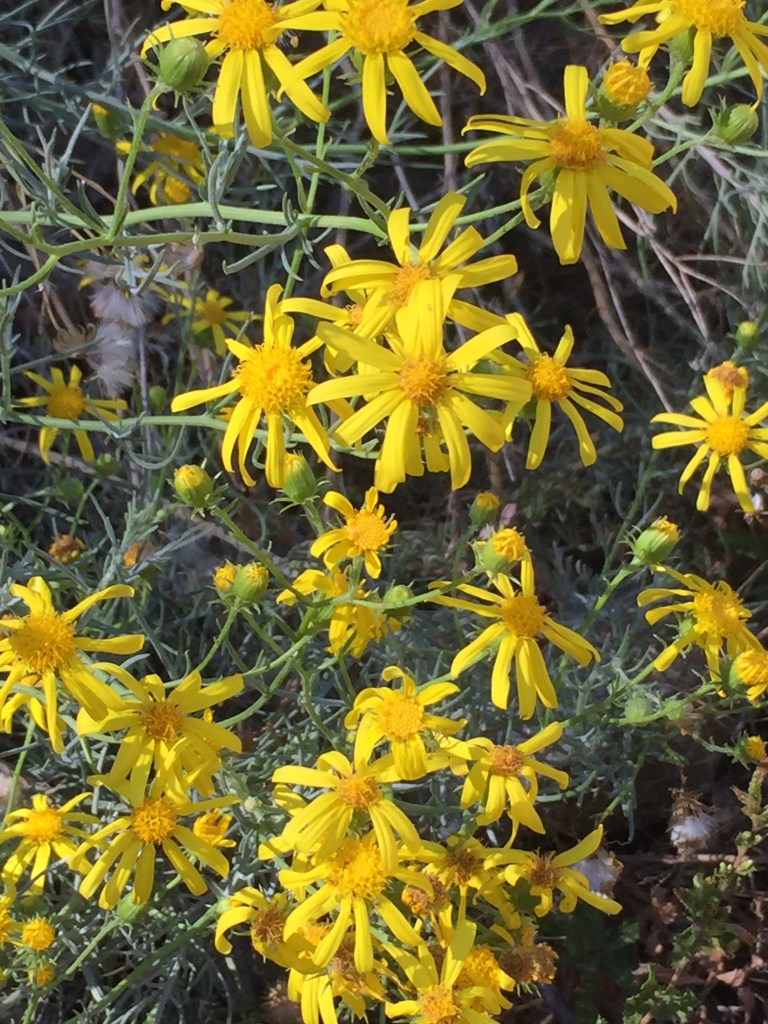
Another late summer and fall bloomer, Threadleaf Groundsel’s bright yellow daisy-like flowers rise about the mass of pale gray-green threadlike leaves that give the shrub its common name. Manydifferentbees like to visit Threadleaf Groundsel.
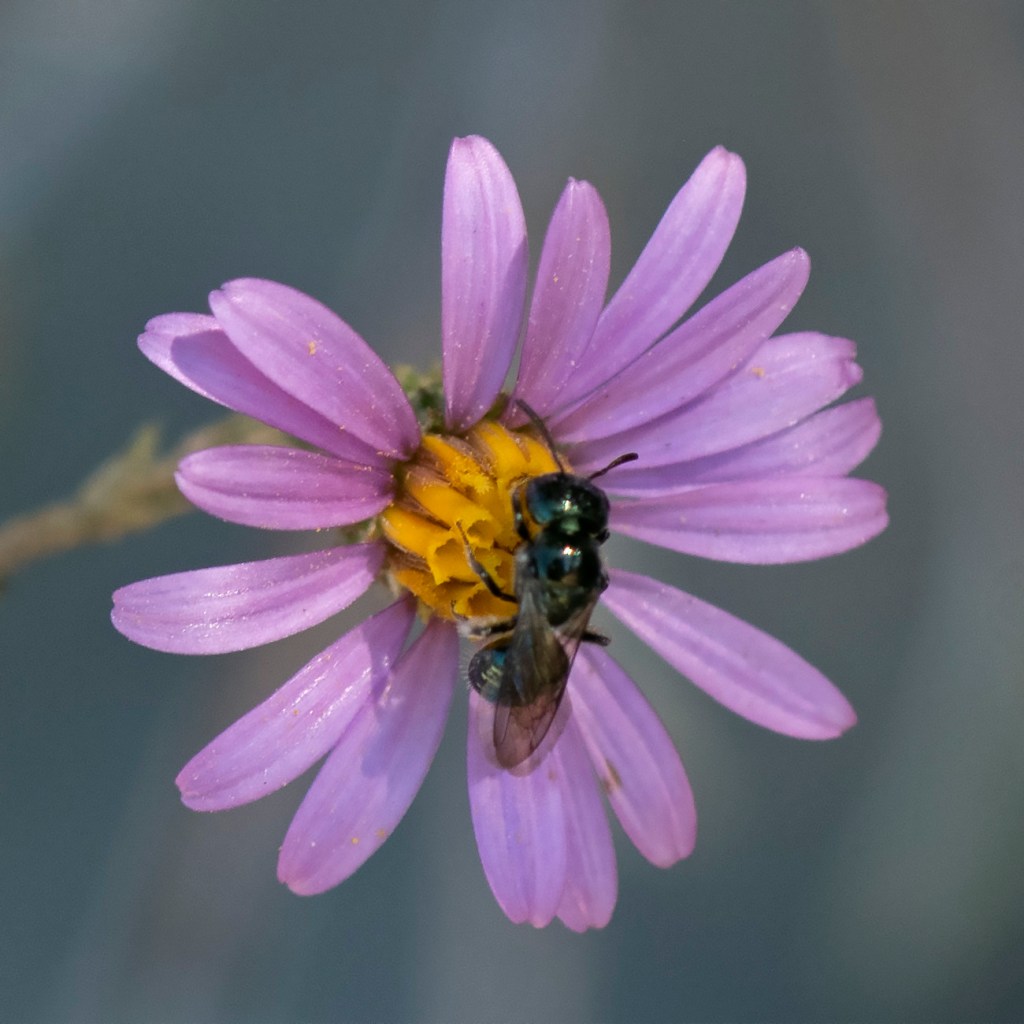
Small Carpenter Bees are related to the large carpenter bees you may have seen around your house, but they are much too small to be able to bore into wood to make their nests; instead they make their nests in the pithy stems of plants.
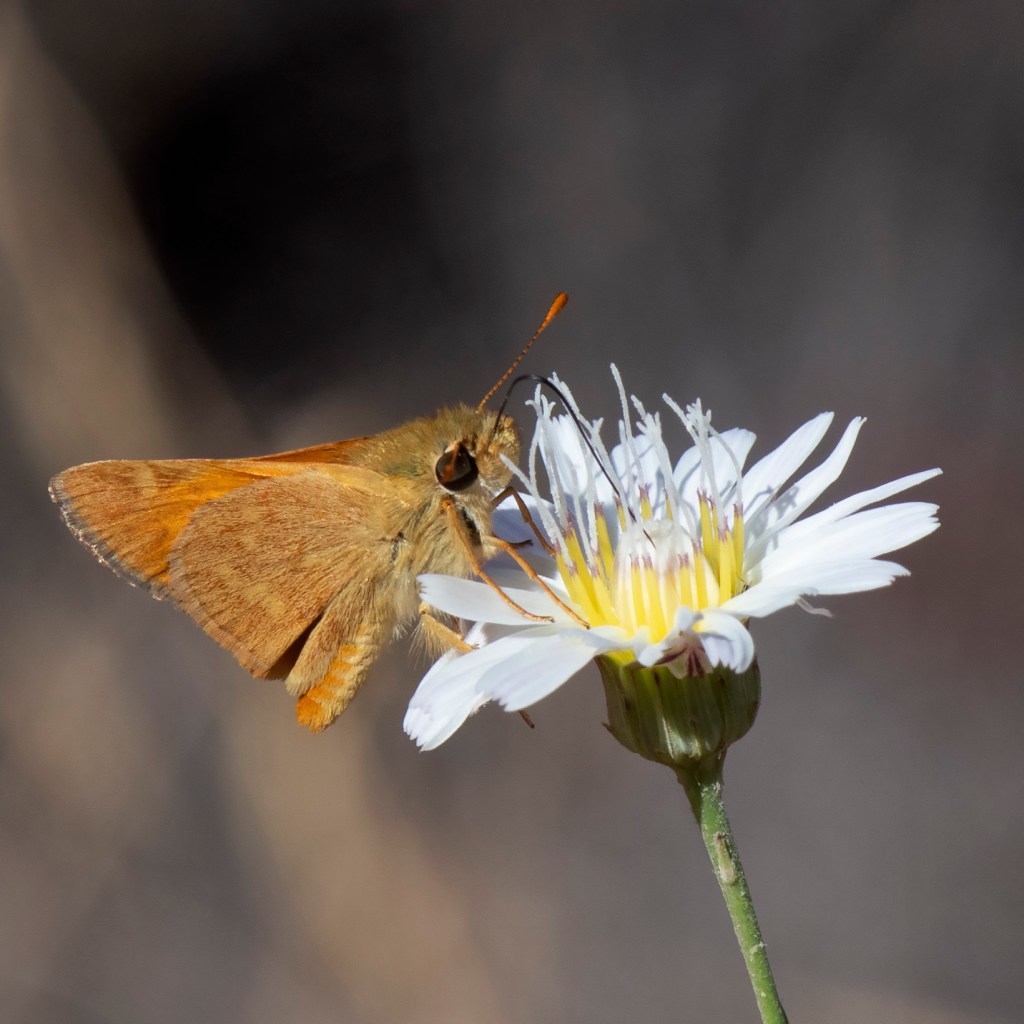
Woodland Skippers are common in chaparral in the late summer and fall. The larval host plants are grasses, but the adults nectar on a wide variety of plants.
You can see all of the Biodiversity Day observations here.
The City of Claremont has lifted the restrictions that prevented the Friends from holding Second Saturday events in the Park. We had a “soft open” with a few volunteers on July 10, when we were visited by Claremont Mayor Jennifer Stark, and a regular Second Saturday event on August 14.
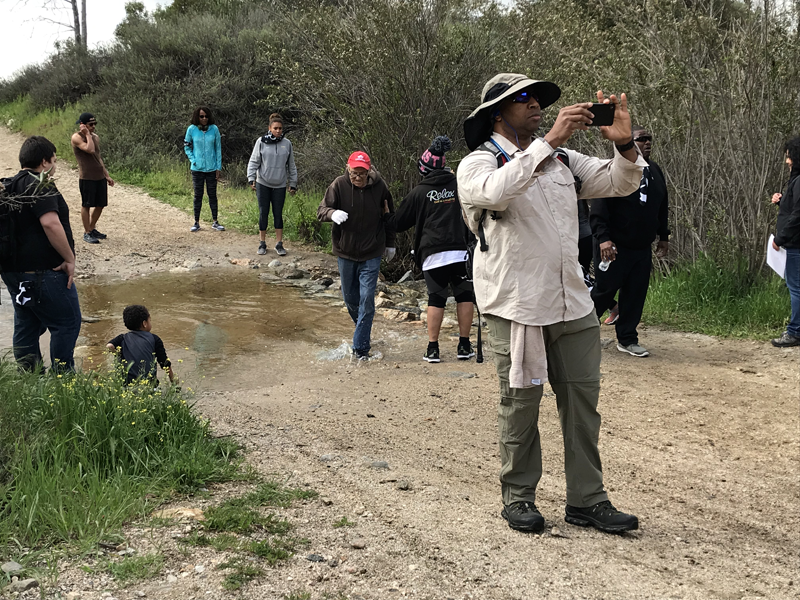
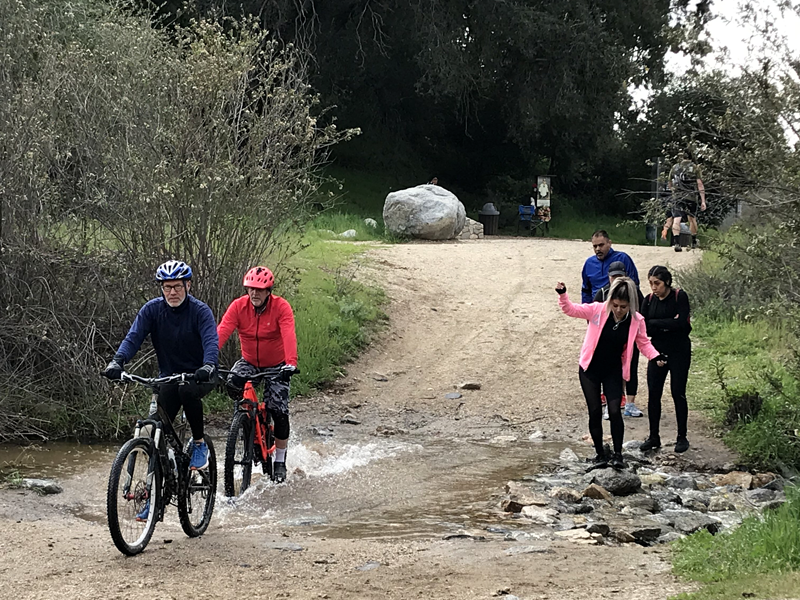
The second Saturday volunteer program is a collaboration of the Friends of the Wilderness Park, CHWP Rangers, and City Staff. On the second Saturday of each month, for four hours Friends’ volunteers:
Answer questions about the Park.
Provide directions (with a map that visitors can photograph).
Remind visitors to take adequate water for themselves and their dogs.
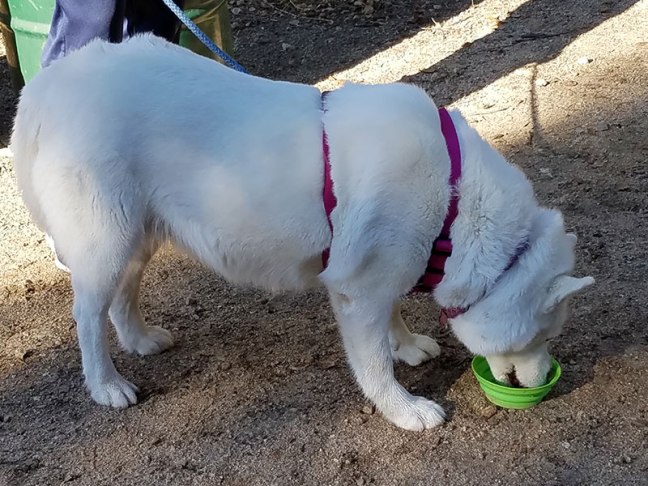
Give water and/or refillable water bottles (or a drink from a dog bowl) to those in need.
Remind visitors to keep dogs on leashes and not play music out loud.
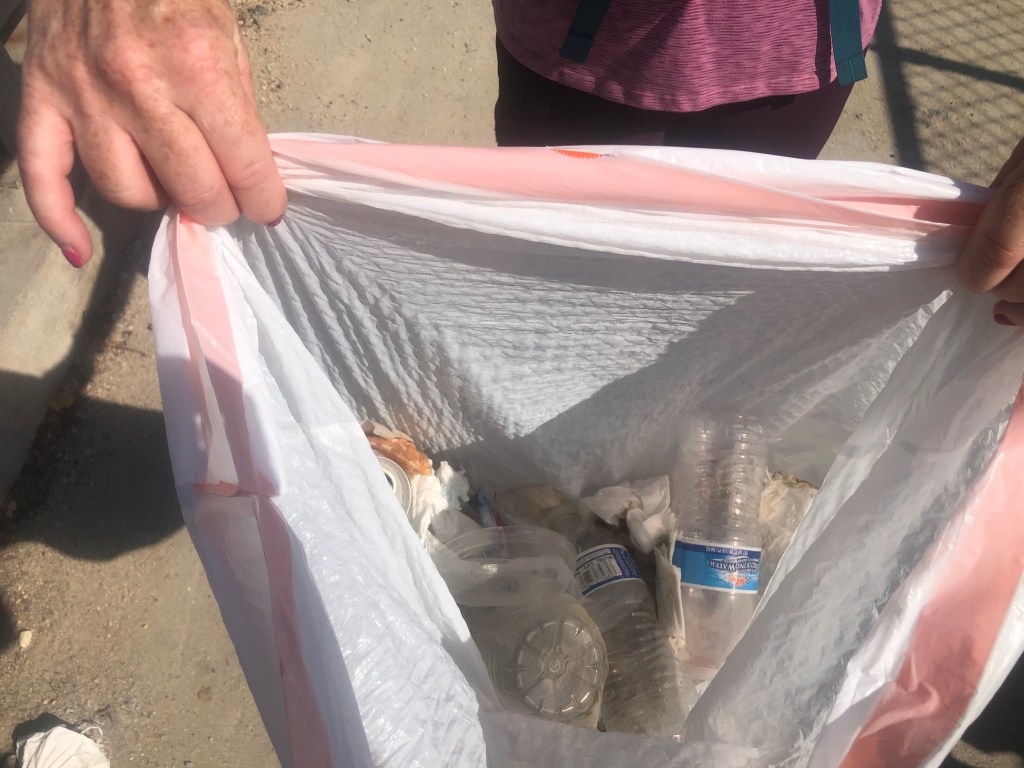
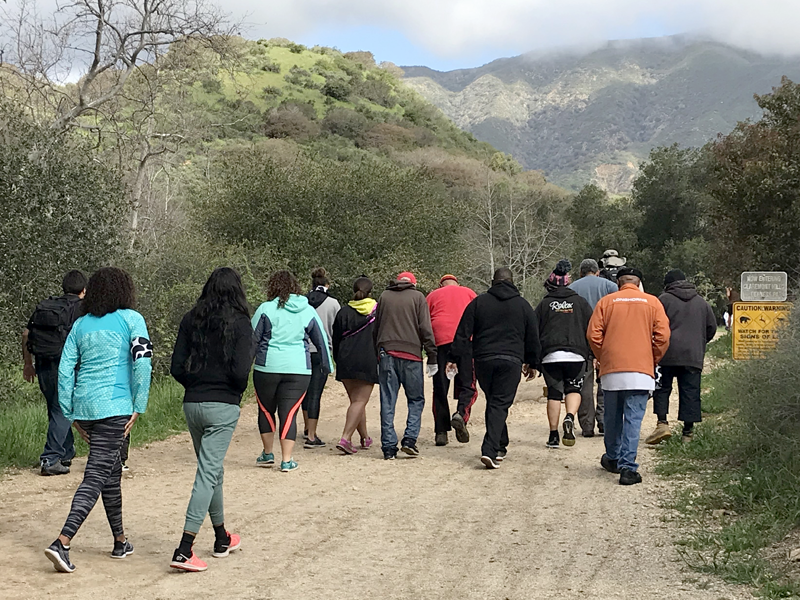
Hike the loop, picking up trash and answering questions along the way.
We are always looking for volunteers for Second Saturday, so if you’re interested, please contact our Volunteer Coordinator, Vicki Salazar at vickisalazar01@gmail.com, or if you’re in the Park, stop by and say, “Hi”.
Dr. John Greenwod and his dog hiked the trail and picked up trash.
The 8:30-10:30 shift – Vicki, Nancy, Jim, and Terry.
A new invasive plant – Brassica fruticulosa.
December 8 was a lovely, clear day for the Second Saturday program. Here are a few scenes, including the greeters and trash picker-uppers, a thirsty dog, a tarantula, and a new invasive plant – Brassica fruticulosa (Mediterranean Cabbage or Twiggy Turnip).








 Friends of the Claremont Hills Wilderness Park